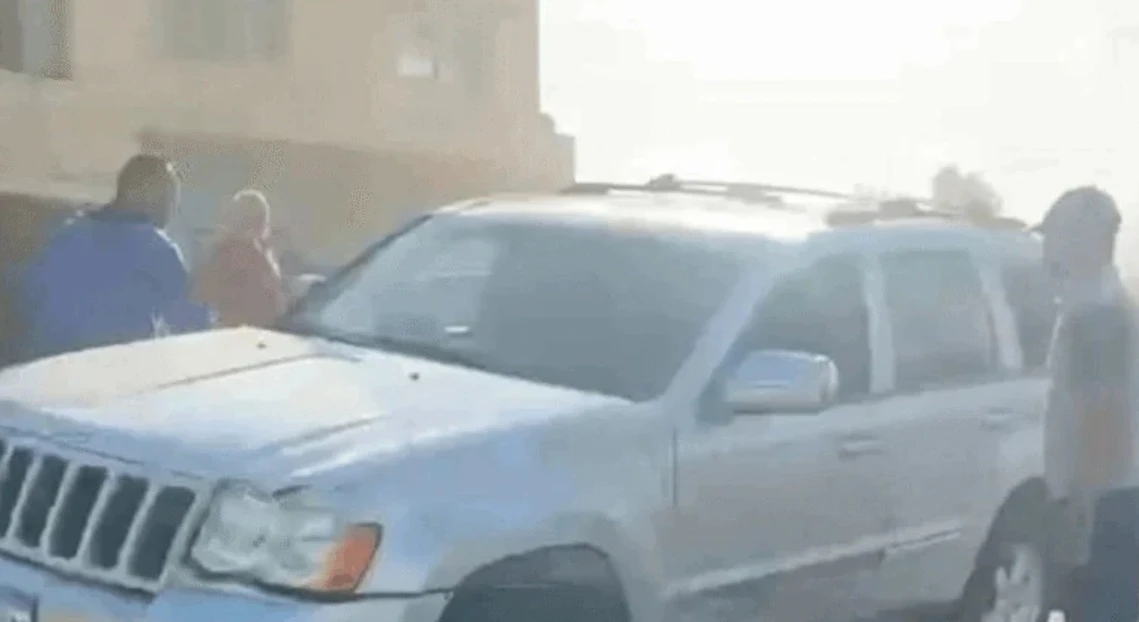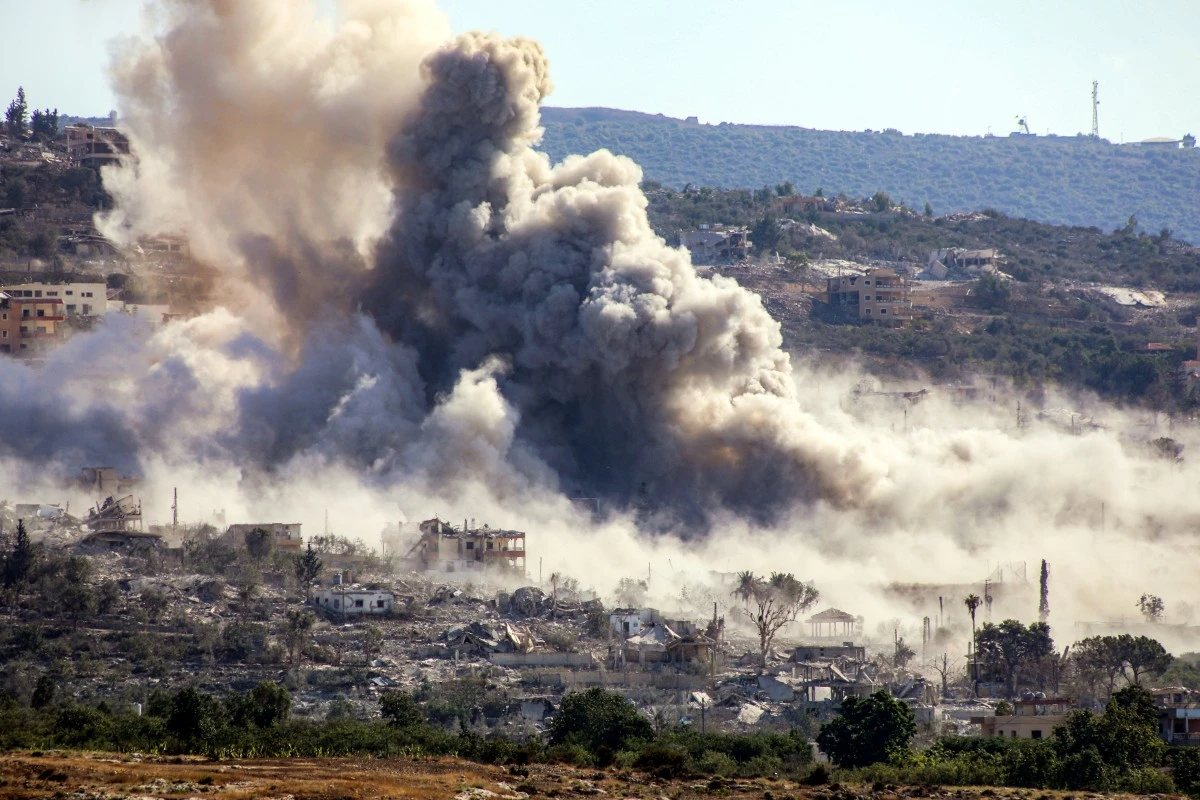

- Critics from within Hezbollah’s traditional support base say intimidation and online attacks are failing to silence growing anger over war, displacement and destruction
- The backlash against activist Abeer Mroueh has instead amplified dissent, as more southern Lebanese question Hezbollah’s weapons, strategy and ability to protect their communities
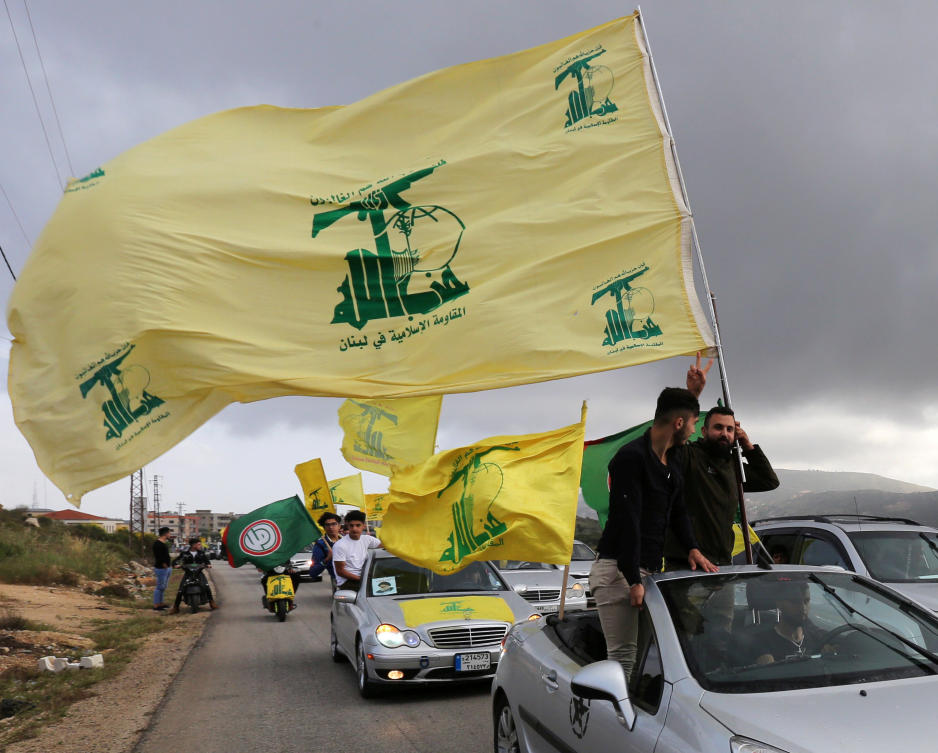
BEIRUT: Hezbollah’s tolerance for dissent appears to be narrowing as criticism of the group grows in the aftermath of its latest devastating war with Israel — increasingly from within the very communities that have traditionally formed its support base.
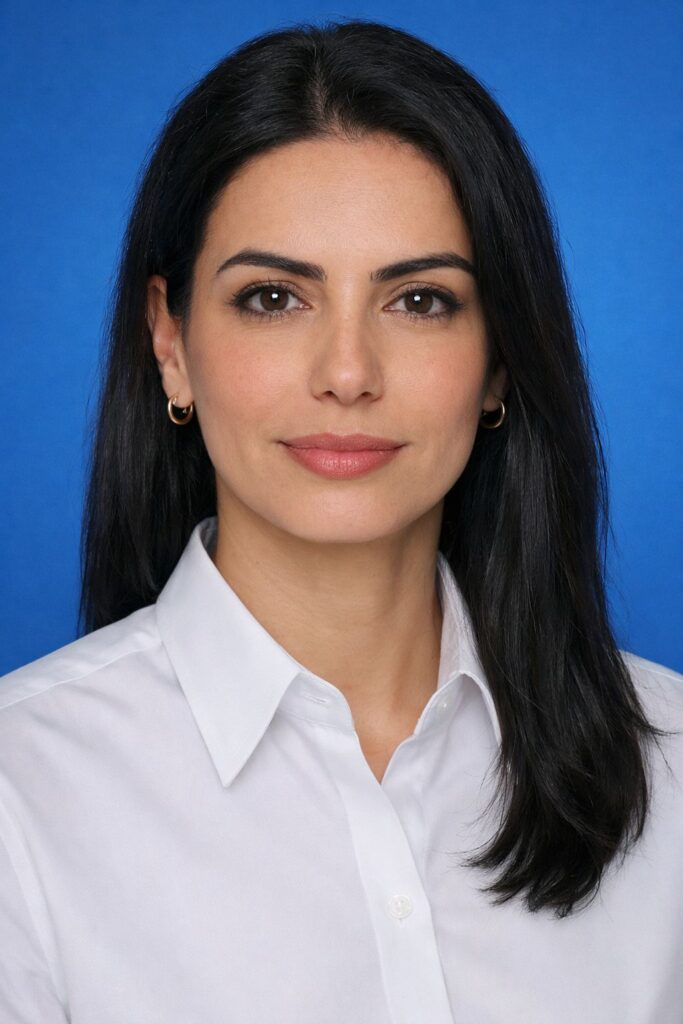
That intolerance recently turned 37-year-old activist Abeer Mroueh from a southern Lebanese woman who spent a few minutes speaking to Prime Minister Nawaf Salam during his visit to Nabatieh into the target of an intense online campaign.
Mroueh had appealed to Salam for the restoration of state authority, an end to the war and the recovery of occupied land through negotiations.
Within days, however, she was subjected to insults, accusations and personal attacks across social media by Hezbollah supporters.
Mroueh, originally from Ain Qana and a resident of Deir Al-Zahrani, quickly became the center of a wider political and social debate: Has disagreement among southerners reached the point where expressing a different opinion is enough for someone to be accused of no longer belonging to the south?
“What happened to me did not shake me,” Mroueh told Arab News.
“The campaign was difficult, but once it went viral, I decided to confront it, respond and continue speaking openly.”
“My crime was that I called on the (Lebanese) state, for an Israeli withdrawal and for peace through negotiations,” she said.
“The insults became personal. One woman even prayed that my daughter would be killed, just as the children of Hezbollah supporters had been killed. I was accused of treason, and someone I do not know issued a statement in the family’s name claiming that the family disowned me.
“They also attacked my private life because I am married to a Christian and my daughter was baptized in a church.”
Mroueh had a brother who died in a road accident in southern Lebanon. He had joined Hezbollah’s Radwan Force as a teenager at the age of 14 and died four years later.
She accused those attacking her of displaying “a complete absence of morality in the name of the resistance.”
“The first reason I was targeted is that I am a southern woman who broke the stereotype Hezbollah has imposed on women — that they should not speak or express their opinions, and that when their sons die they should not even cry,” she said.
“I am a woman who does not resemble Hezbollah’s image of women.”
Mroueh comes from a well-known southern family with a reputation for education and intellectual engagement. She was part of the generation that became politically active during Lebanon’s 2019 uprising and remains involved with the Lebanese National Alliance.
She said Hezbollah was now trying to bring the campaign against her to an end because it had damaged the group more than it had helped it.
“The people defending me came from the heart of the south,” she said.
“Hezbollah activists themselves have started asking people on social media to stop talking about me or using my name simply to gain more engagement.
“They were foolish in the way they handled it. They still have not rid themselves of their sense of overwhelming power, despite everything that has happened to the people of the south.”
Mroueh said she understood the pain within Hezbollah’s support base because she was herself part of southern public opinion.
“People want to live,” she said.
“Instead of facing the truth, Hezbollah shifts the problem onto the state. As long as weapons remain the source of that confidence, nobody is allowed to object. The state, meanwhile, has taken decisions, but it has not been firm in implementing them.”
Mroueh’s experience is not unique.
Writer and activist Nabil Mamlouk was assaulted in his home city of Tyre during Hezbollah’s war in support of Gaza after publicly opposing a conflict that he believed was costing southerners their lives and property.
Mamlouk, 30, told Arab News: “I was in my father’s pharmacy when men came in, opened fire and beat me severely because they were angered by my journalism and by the opinions I expressed criticizing rocket launches from the south.
“I wrote the article after the targeting of former Hezbollah secretary-general Hassan Nasrallah.”
He said those responsible were members of Saraya Al-Muqawama, or the Resistance Brigades, a Hezbollah-linked auxiliary network.
“They include unemployed men and people with criminal records who are known in the area,” Mamlouk said.
“The incident forced me to leave Tyre and move to Beirut. I did not see my family during that period, except for one secret visit.”
Mamlouk said the physical assault was followed by a campaign against him.
“They found someone from the family and gave him $50 to issue a statement in the family’s name claiming that they disowned me,” he said.
“They fabricated allegations of harassment and rape against me. I was innocent of them, and women activists volunteered to defend me until the accusations were dropped.”
Mamlouk said the assault forced him to reassess his political activity.
“Hezbollah sent threats to my father that I would be killed if I returned to Tyre,” he said. “But the situation is different now.”
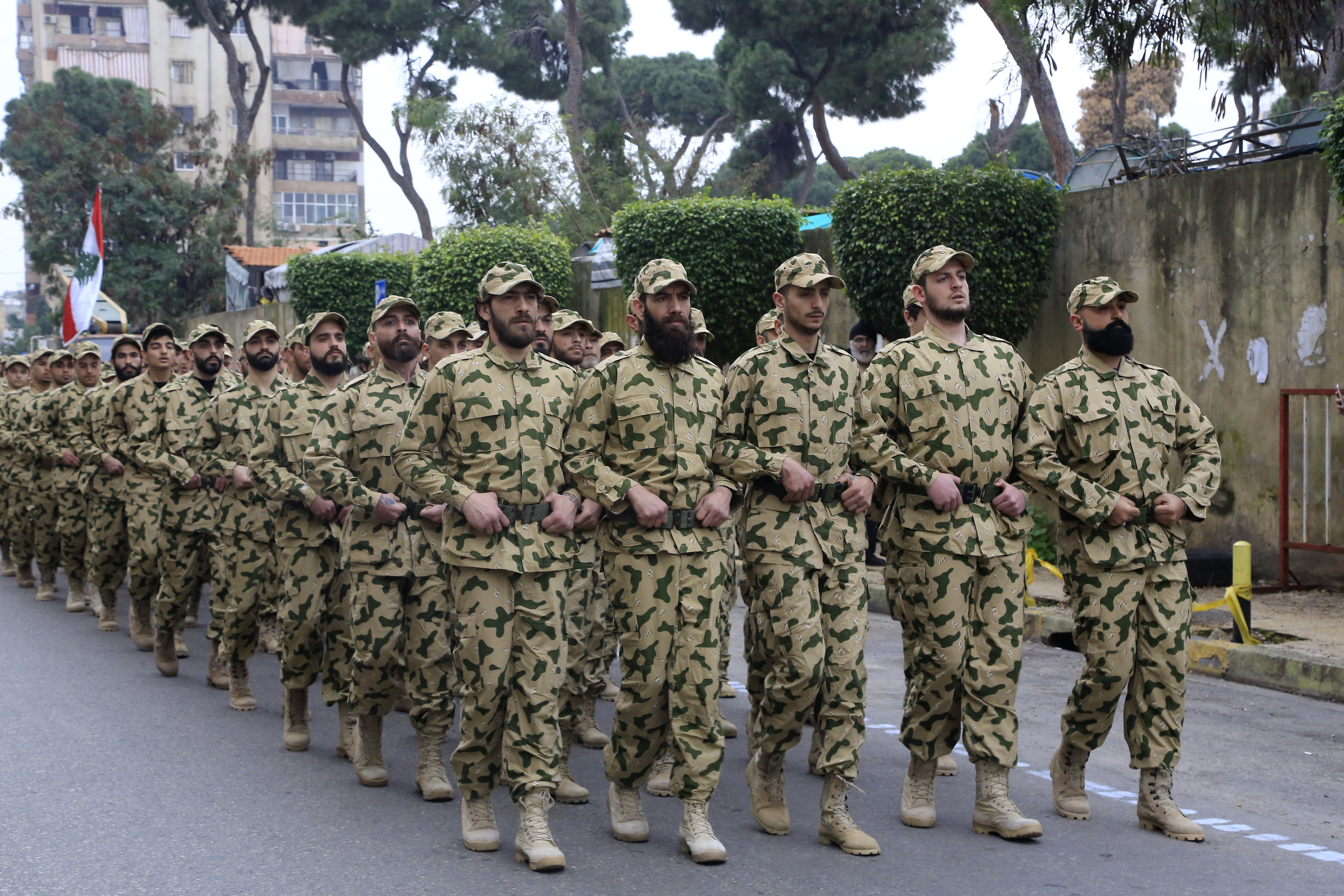
He described growing frustration among residents of the south. “There are different kinds of dissatisfied people,” he said.
“Some whisper their complaints about Hezbollah and tell my father, ‘Your son was right, but we cannot confront the party because there are criminals and monsters among them.’
“Others remain silent and go along with things because they are waiting for compensation to rebuild their homes or shops. And there are those who continue to support Hezbollah without question.”
Mamlouk said criticism was becoming noticeably louder among members and supporters of the Amal Movement, many of whom increasingly objected to Hezbollah’s conduct and its decisions during the war.
“Hezbollah is now spreading reports that compensation will be paid to people,” he said.
“It is an attempt to silence their objections and frustration. People are genuinely devastated and depressed, and there is fear of another war.”
Samer, a resident of Nabatieh who asked for his surname to be withheld, described a city gripped by anxiety.
“People in Nabatieh are deeply depressed,” he told Arab News.
“They have covered their windows with plastic instead of replacing the glass because they fear another war will destroy what is left.”
He said he was still paying $600 a month to rent an alternative home in the Iqlim Al-Kharroub area because he feared his family could be displaced again without warning.
“The voices speaking against Hezbollah have become louder because people cannot take any more,” Samer said.
“Israeli drones fly over Nabatieh in their dozens throughout the day, suffocating people psychologically to the point where residents now watch the weather hoping it will keep the drones away.”
He said the war had consumed people’s savings.
“During the war I paid $3,000 a month for a single room for my family near Jezzine,” he said.
“Now I do not know whether to repair my home with winter approaching or simply leave plastic covering the windows.”
“People are genuinely living through a tragedy, and the anger has reached deep into Hezbollah’s own environment,” Samer added.
“Nobody listens to Naim Qassem’s speeches anymore or believes Hezbollah’s promises.
“The exhaustion has reached Hezbollah itself — its people and its young men — while they watch Israeli soldiers moving around their villages in the occupied zone on open ATVs, when in the past they would have stayed inside armored vehicles.”
Samer said appeals by Hezbollah’s opponents appeared to have little immediate effect because they were not preventing Israel from continuing its occupation.
“Hezbollah also appears no longer capable of changing the equation,” he said. “It is much weaker than it claims.”
Hezbollah’s political rhetoric, meanwhile, continues to deepen its dispute with the state over how Lebanon should confront Israel, often portraying the government as acting against the interests of southern residents.
Ali Al-Amin, editor-in-chief of the Janoubia news website, told Arab News that Hezbollah was now facing a different political reality.
“There is another opinion emerging from inside the very community that was supposed to constitute Hezbollah’s support base,” he said.
“The scale of objections is growing and taking different forms.”
Al-Amin said many residents felt abandoned.
“Their homes have been destroyed, there has been no compensation and reconstruction has not begun,” he said. “That anger is now expressing itself.”
He pointed to the example of pro-Hezbollah activist Sahar Ghaddar, whose recent comments on social media provoked criticism even from within Hezbollah’s own constituency.
Ghaddar had dismissed concerns over the destruction of dozens of villages, saying that even if 100 villages were destroyed, this was less important than Hezbollah’s survival.
“The people who had remained silent found in her comments an opportunity to express their anger,” Al-Amin said.
“That reflects the level of tension inside Hezbollah’s own environment.”
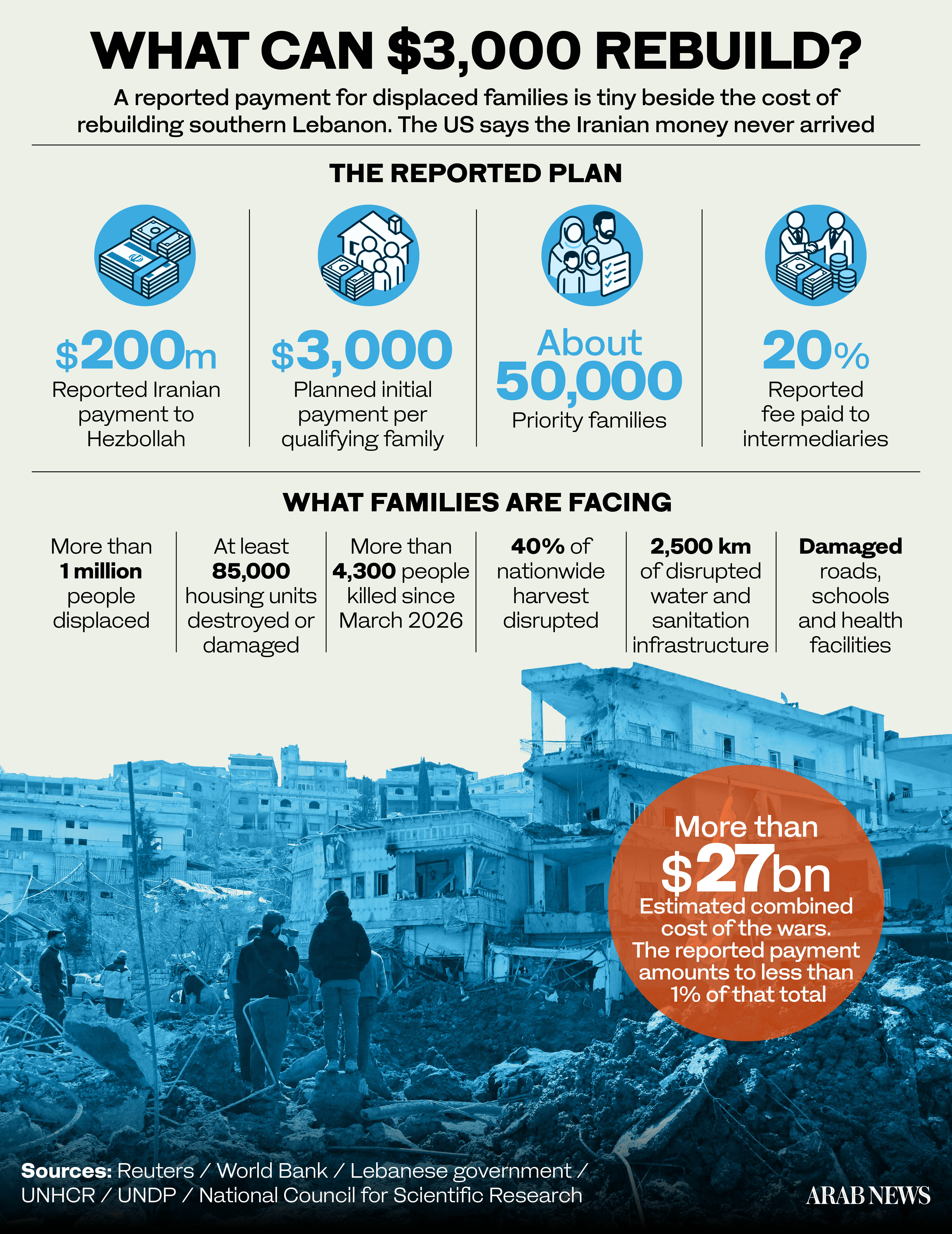
Al-Amin also referred to reports, attributed to Hezbollah-linked sources, that the group recently received $200 million from Iran to distribute as compensation.
“Even if that figure is accurate, between 60,000 and 70,000 homes have been destroyed,” he said.
“That would amount to no more than around $3,000 per household. Is that enough to satisfy people or silence them?”
He said Hezbollah’s support base contained several different circles.
“There is the closed inner circle that does not express its views, and there is the circle that depends economically on Hezbollah and therefore provides it with a degree of protection,” he said.
“But even that group is beginning to see Hezbollah’s illusions collapse one after another: there is no protection for the people of the south, no return to the occupied land and no compensation that comes close to matching the scale of the losses.”
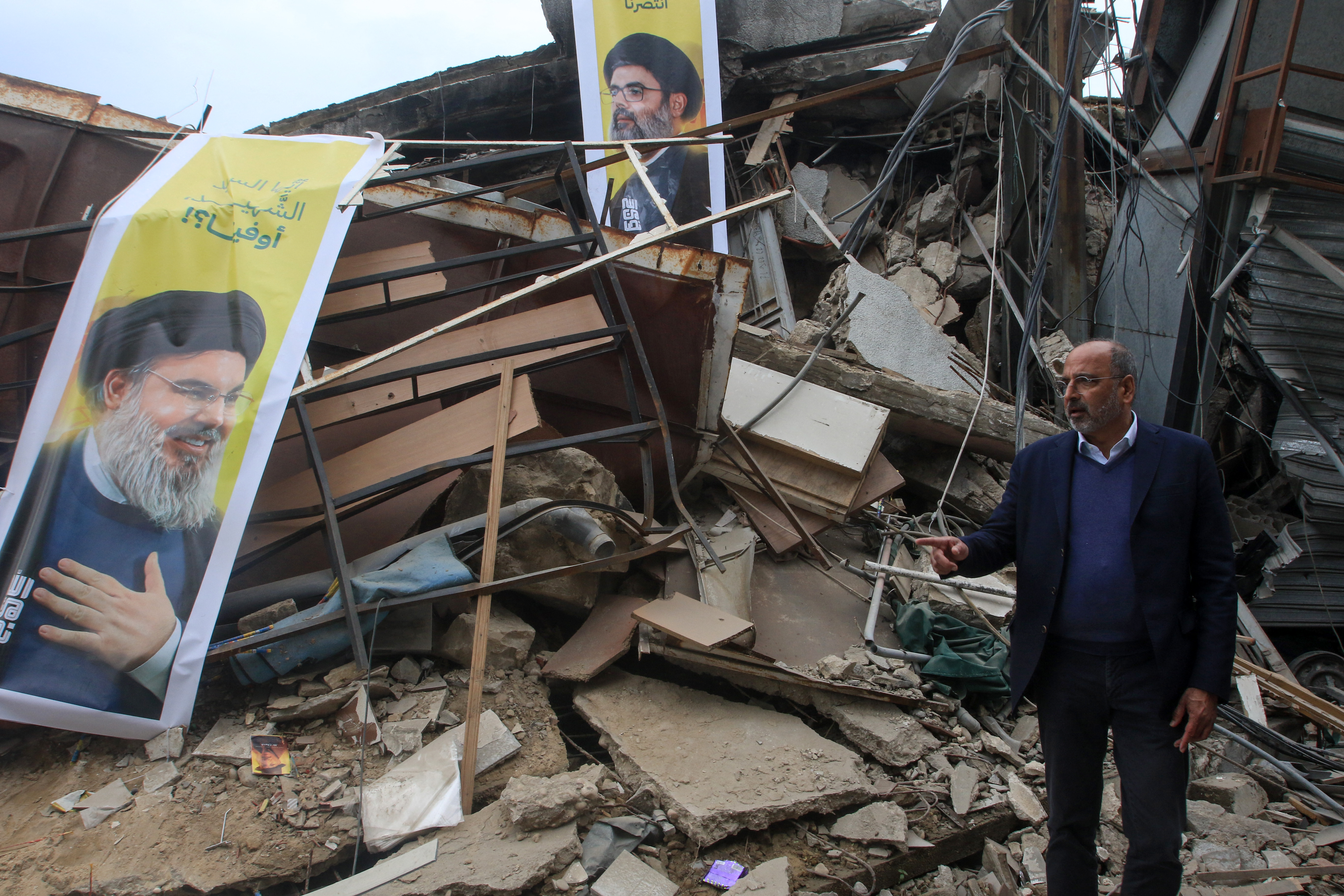
Hezbollah, Al-Amin said, was trying to contain the growth of dissent through threats, intimidation and, at times, blackmail.
“But none of that will end the frustration and anger among the people,” he said.
Al-Amin said he had himself been the target of lengthy campaigns by Hezbollah in the past.
Those attacks, he said, had now diminished.
“When I read reactions to my positions on social media today, I see more people supporting me than attacking me,” he said.
“In Abeer Mroueh’s case, the campaign against her was supposed to destroy her. Instead, it increased her prominence and the whole thing backfired.”
Mamlouk said Hezbollah had historically succeeded in creating an economic safety net for some of its supporters.
Someone who once worked for a private electricity-generator owner might be helped to open an electrical repair shop, he said. An unemployed supporter might be assisted in opening a roadside coffee kiosk, while another might end up running a motorcycle dealership.
“But does that mean Hezbollah can satisfy everyone who has now been devastated by the war?” he asked.
“What is needed, in my view, is a genuine opposition representing all sects and offering an alternative message to the people of the south, the southern suburbs and the Bekaa.
“It needs to build a new political project, reach the younger generation and involve them in it.”