
- Lebanese President Joseph Aoun said UNIFIL withdrawal from southern Lebanon would create a security vacuum
- Lacroix reaffirmed UN's commitment to support Lebanon's stability
DUBAI/LONDON: Lebanese President Joseph Aoun has urged the UN Security Council to extend the mandate of the UN Interim Force in Lebanon for another year. Its withdrawal, he said, would leave a security vacuum in the south.
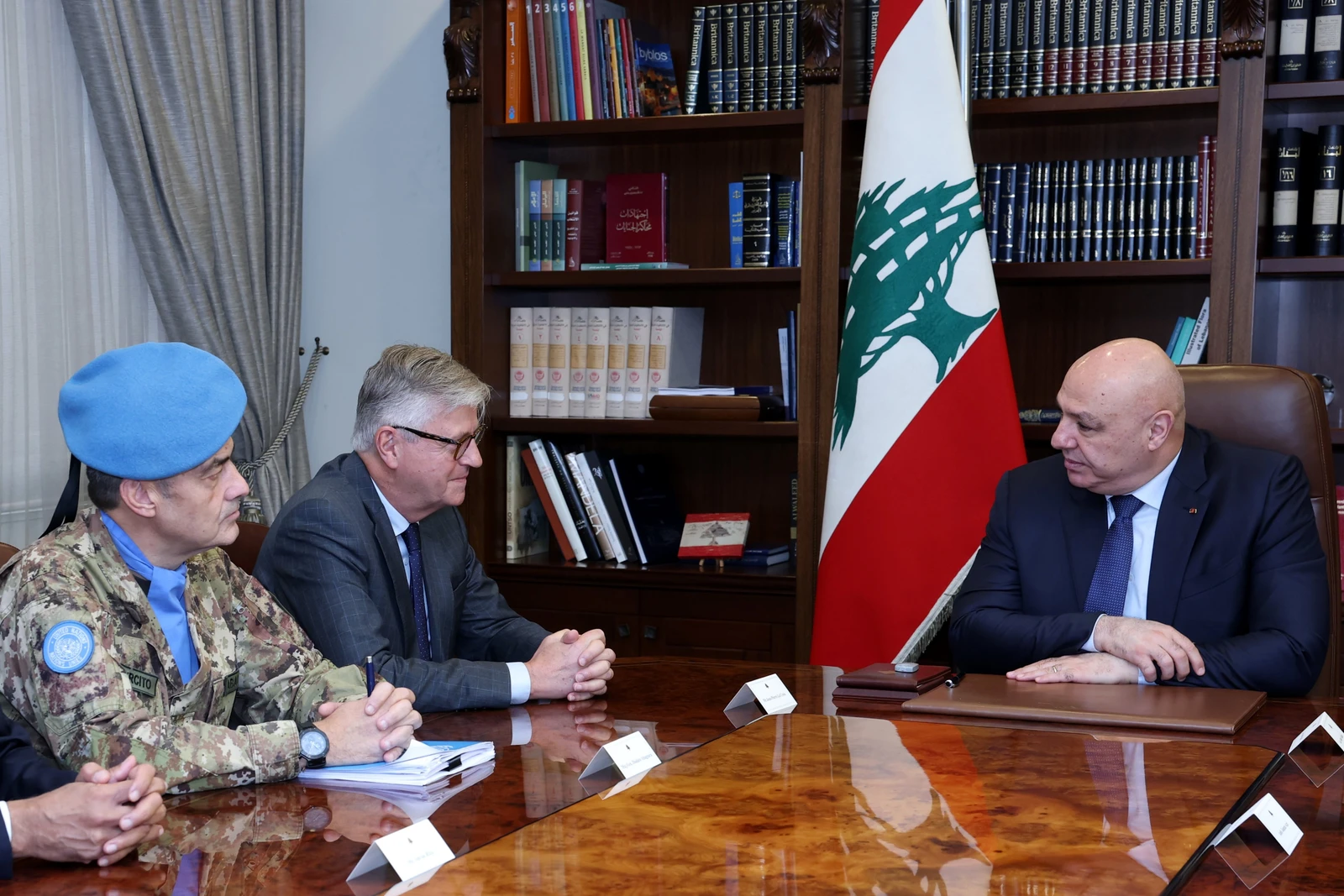
Meeting UN Under-Secretary-General for Peace Operations Jean-Pierre Lacroix, Aoun reaffirmed Lebanon’s commitment to the continued presence of the peacekeeping force, highlighting its role since the start of its mission and the sacrifices made by its military personnel.
Aoun said Israeli attacks and the occupation of southern Lebanese villages and towns, most of which fall within UNIFIL’s area of operations, made the force’s continued presence particularly important.
Its withdrawal would have negative consequences for regional security and leave developments on the ground without international monitoring, he said.
The president also highlighted UNIFIL’s social, humanitarian, healthcare and educational activities, saying they had strengthened its ties with southern Lebanon’s residents, who welcomed its presence, trusted its role and wanted it to remain in their communities.
Aoun expressed hope that the Security Council would respond to Lebanon’s request for a one-year extension, noting that the council had previously designated the coming year as the period for the force’s withdrawal.
He said UNIFIL’s continued presence would be particularly important if Israeli forces withdrew to the international border and the Lebanese army deployed in the area, adding that the army would need the peacekeepers’ essential humanitarian and logistical support.
Lebanese President Joseph Aoun has urged the UN Security Council to extend UNIFIL’s mandate for another year, warning that its withdrawal would leave a security vacuum in southern Lebanon.
In a meeting with UN Under-Secretary-General for Peace Operations Jean-Pierre Lacroix, Aoun reaffirmed Lebanon’s commitment to the continued presence of the peacekeeping force, highlighting its role since the start of its mission and the sacrifices made by its military personnel.
Aoun said Israeli attacks and the occupation of southern Lebanese villages and towns, most of which fall within UNIFIL’s area of operations, made the force’s continued presence particularly important.
A withdrawal would have negative consequences for regional security and mean developments on the ground would lack international monitoring, he added.
The president also highlighted UNIFIL’s social, humanitarian, healthcare and educational activities, saying the force had strengthened its ties with southern Lebanon’s residents, who welcomed its presence, trusted its role and wanted it to remain in their communities.
Aoun expressed hope that the Security Council would respond to Lebanon’s request for a one-year extension, adding that the council had previously designated the coming year as the period for the force’s withdrawal.
He said UNIFIL’s continued presence would be particularly important if Israeli forces withdrew to the international border and the Lebanese army deployed in the area, adding that the army would need the peacekeepers’ essential humanitarian and logistical support.
For his part, Lacroix reiterated the UN’s commitment to Lebanon’s stability during meetings with officials and representatives of countries contributing to UNIFIL. The force has about 7,500 personnel from nearly 50 countries.
“I thanked them for their critical support to UNIFIL and reiterated the UN’s strong commitment to supporting peace and stability in Lebanon,” Lacroix said.