
 Young investors know who to trust; we just learn somewhere else

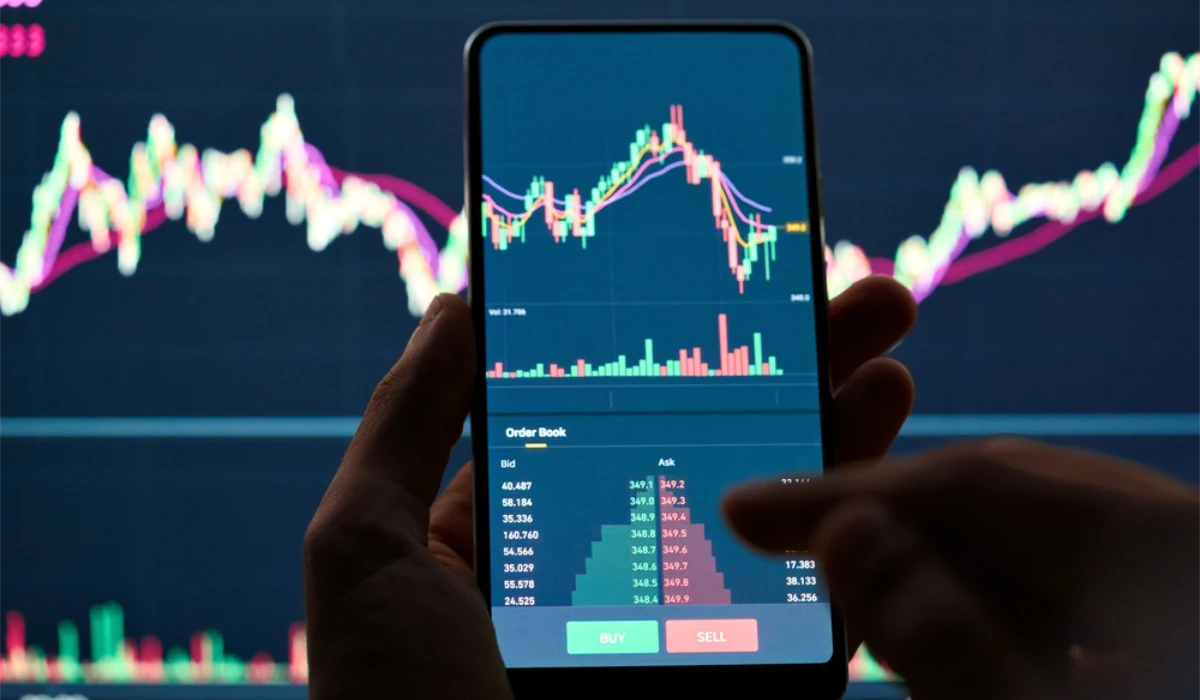
Somewhere between a football highlight and a cooking video on our For You pages, the stock tips arrive: the five best shares to buy before the market opens. A short clip insists that anyone watching can beat the market with one simple tip. On TikTok, I have even watched a “finfluencer” promise that a company’s stock would double overnight. Few of these posts come with a credential, or even a disclaimer.
For my generation, this is often where learning to invest begins. So, who is actually teaching us? The stakes are high in Saudi Arabia today; by the end of the second quarter of 2026, the number of individual investors in the Saudi Exchange’s main market had reached a record 7.55 million. Where young investors learn is harder to measure locally, but the pattern is clear internationally.
A 2023 study by the FINRA Foundation and CFA Institute found that 48 percent of American Gen Z investors learn about investing on social media, making it their top source, as it was for Gen Z investors in Canada and the UK too. Only 30 percent learned from a financial professional. It would be easy to conclude that young investors are simply gullible. The same study suggests the opposite: Gen Z investors called financial professionals their most trustworthy source, twice as much as social media. My generation knows who deserves trust. The problem, then, is access.
We are simply learning from whoever is closest, and on social media, that is rarely a professional. Until the most trustworthy people begin to show up in our feeds, we may keep learning from the wrong people. And our investments will follow
The FINRA Foundation’s president at the time, Gerri Walsh, suggested it likely comes down to the real and perceived cost of financial advice: Some young investors feel their savings are too small to justify seeking out a professional. The conventional advice telling young people to stop trusting influencers does not fix any of that. The real danger is that a post looks the same whether it comes from a licensed adviser or even an enthusiastic amateur.
In March 2026, for example, the Capital Market Authority announced that an individual had been fined SR250,000 ($66,590) for selling investment advice through Telegram and advertising it on X without a license. A follower deciding whether to act on a post has seconds, not an investigation. None of this means social media is the enemy; it is part of the reason why so many young people are even investing. A good first step is asking two questions before acting on any tip.
Young investors are not the real problem. We know who deserves our trust. We are simply learning from whoever is closest.
First, is this person licensed to give you this advice? In Saudi Arabia, checking takes less time than rewatching the video. The CMA publishes a list of licensed capital market institutions on its website, alongside what each is allowed to do. If no licensed firm stands behind the account, the tip may just be an opinion. Second, what does this person gain if you act? Someone urging thousands of followers to purchase a certain stock “before it doubles” may already own it, and could be attempting to drive the price up so they can sell at a larger profit.
The CMA has announced the conviction of two people who used their X accounts to promote tips in an attempt to move the share prices of 17 Saudi-listed companies. If you cannot tell why an account wants you to buy, especially one with no credentials, assume the reason benefits them, not you. Neither question requires expertise in finance or investing, and both can be asked in the time it takes to scroll to the next video. But they are not enough on their own. They put the onus on the person with the least information, the viewer. That takes the solution back to access.
If my generation already trusts licensed professionals more than influencers, those professionals should be showing up at the same places as us. A 30-second video from a licensed adviser explaining the dangers of “finfluencers” and why a stock “doubling overnight” is misleading could reach more investors than any written warning.
Young investors are not the real problem. We know who deserves our trust. We are simply learning from whoever is closest, and on social media, that is rarely a professional. Until the most trustworthy people begin to show up in our feeds, we may keep learning from the wrong people. And our investments will follow.
• Abdulrahman Al-Okby is a 12th-grade IB student in Saudi Arabia with interests in economics, finance and public policy. His work focuses on youth financial behavior, emerging markets and the wider social impact of financial technology.