
- Jordan aims to attract investment in its renewable energy sector, focusing on green hydrogen and ammonia as new industries
- Renewables now represent over 27% of Jordan's electricity mix, demonstrating significant growth over the past decade
DEAD SEA: Jordan is seeking to attract fresh investment into its renewable energy sector, as it looks to build on a decade of clean-energy growth and develop new industries such as green hydrogen and ammonia.
Renewables now account for more than a quarter of the Kingdom’s electricity mix, but officials and industry representatives say further investment in solar, wind and energy storage will be needed to sustain that progress and strengthen energy security.
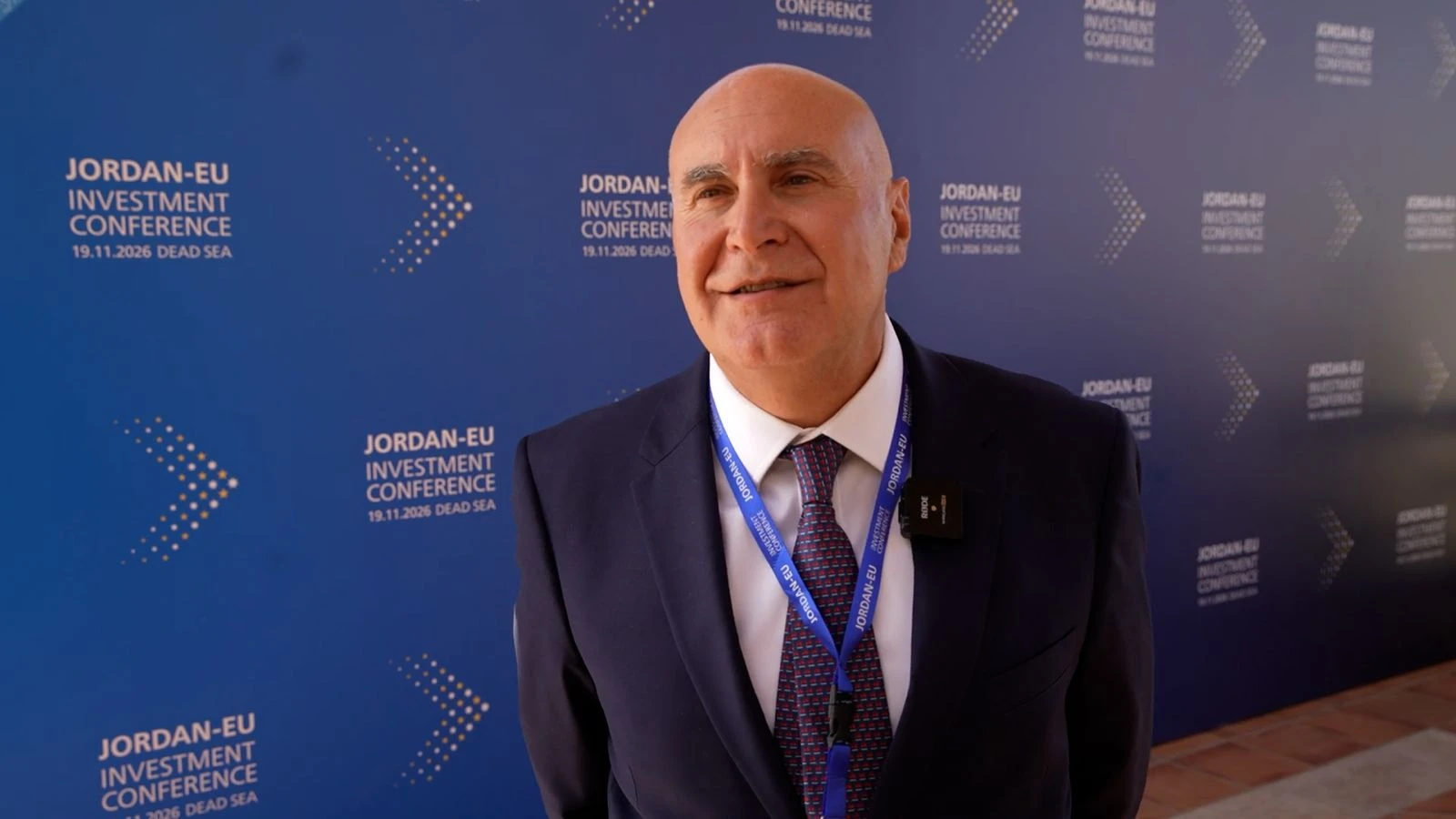
The push was a key focus of the Jordan-EU Investment Summit at the Dead Sea, where government officials, European institutions and private-sector representatives explored opportunities to finance the Kingdom’s green transition.
Beyond generating electricity, Jordan wants to use its renewable resources to develop new industries.
In Aqaba, a planned $1 billion green ammonia facility could turn solar power into a product for international markets, opening up opportunities in the emerging green fuels industry.
Shada El-Sharif, founder and CEO of SustainMENA told Arab News that Jordan has already taken the steps towards transitioning into a green economy.
The country's Economic Modernisation Vision, launched in 2022, identified such a development as one of its eight economic drivers, explained El-Sharif.
“Renewables currently account for 27 percent of Jordan's electricity mix, a milestone achieved in just over a decade. Additionally, 21 percent of vehicles in the country are either hybrid or electric,” she said.
“The vision has an ambitious target of unlocking JD41 billion Jordanian dinars ($57.9 billion) in investment by 2033 and creating 1 million jobs. We believe the green economy can deliver a substantial share of that investment and employment,” explained El-Sharif.
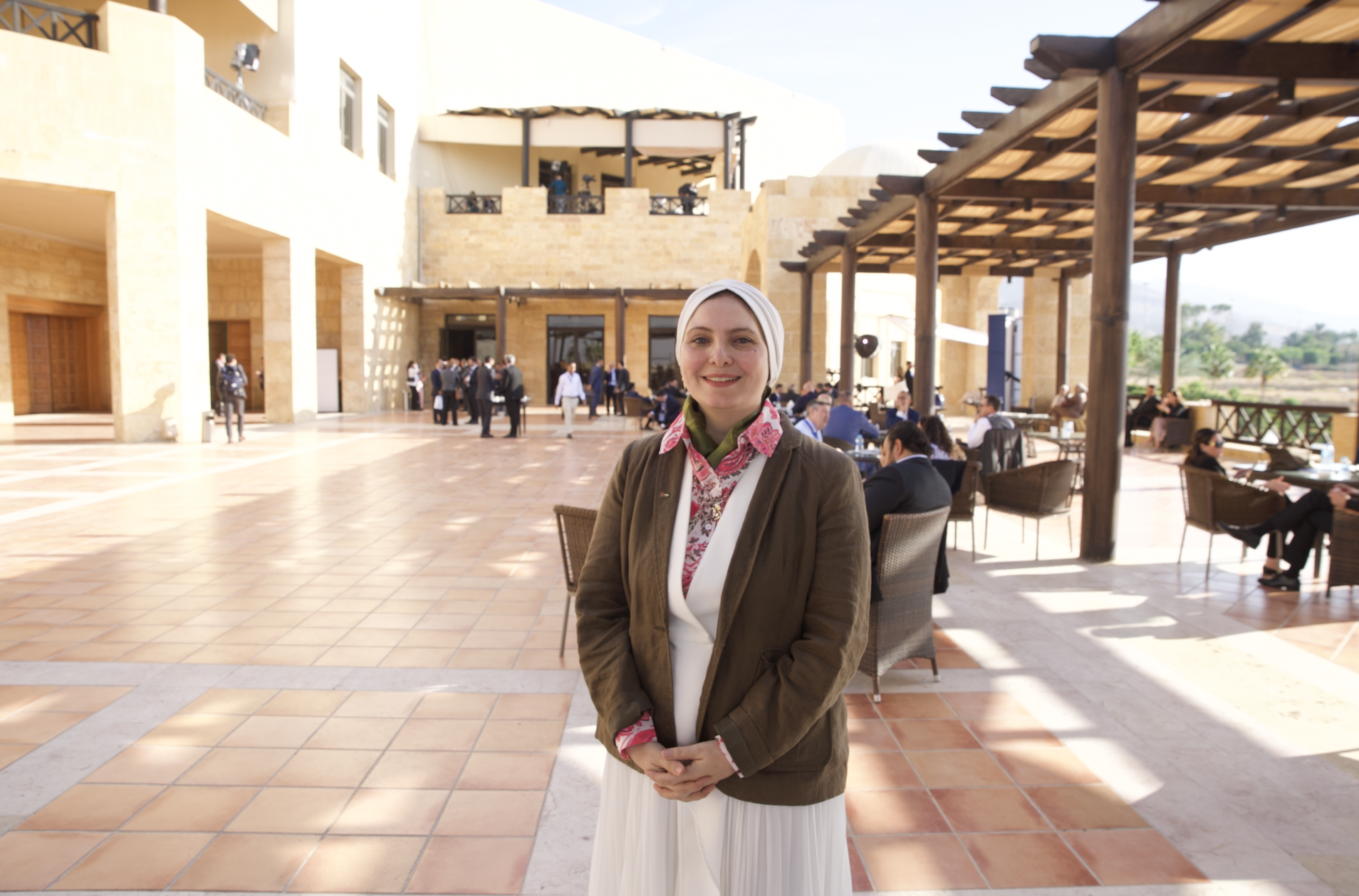
SustainMENA, an advisory organisation operates across the Middle East and North Africa and focuses on supporting organisations in the public, private and international sectors with the green transition.
“Our work includes advising on the policies required to advance the transition, developing projects, conducting feasibility studies and raising awareness. Awareness is particularly important because it plays a major role in encouraging the adoption of a green economy across our region,” explained the CEO.
El-Sharif said stability in the region is essential towards speeding up the pace of investments into the green and digital economy, but assured that Jordan’s proven resilience positions it as a key opportunity for investment.
“Clear regulations are also essential. Jordan has established regulatory frameworks for renewable energy, waste and transport, alongside a new electricity law that promotes emerging technologies such as green hydrogen and energy storage,” she added.