- The founder of Dubai’s Bayroot Deli talks consistency, cleanliness, and critics
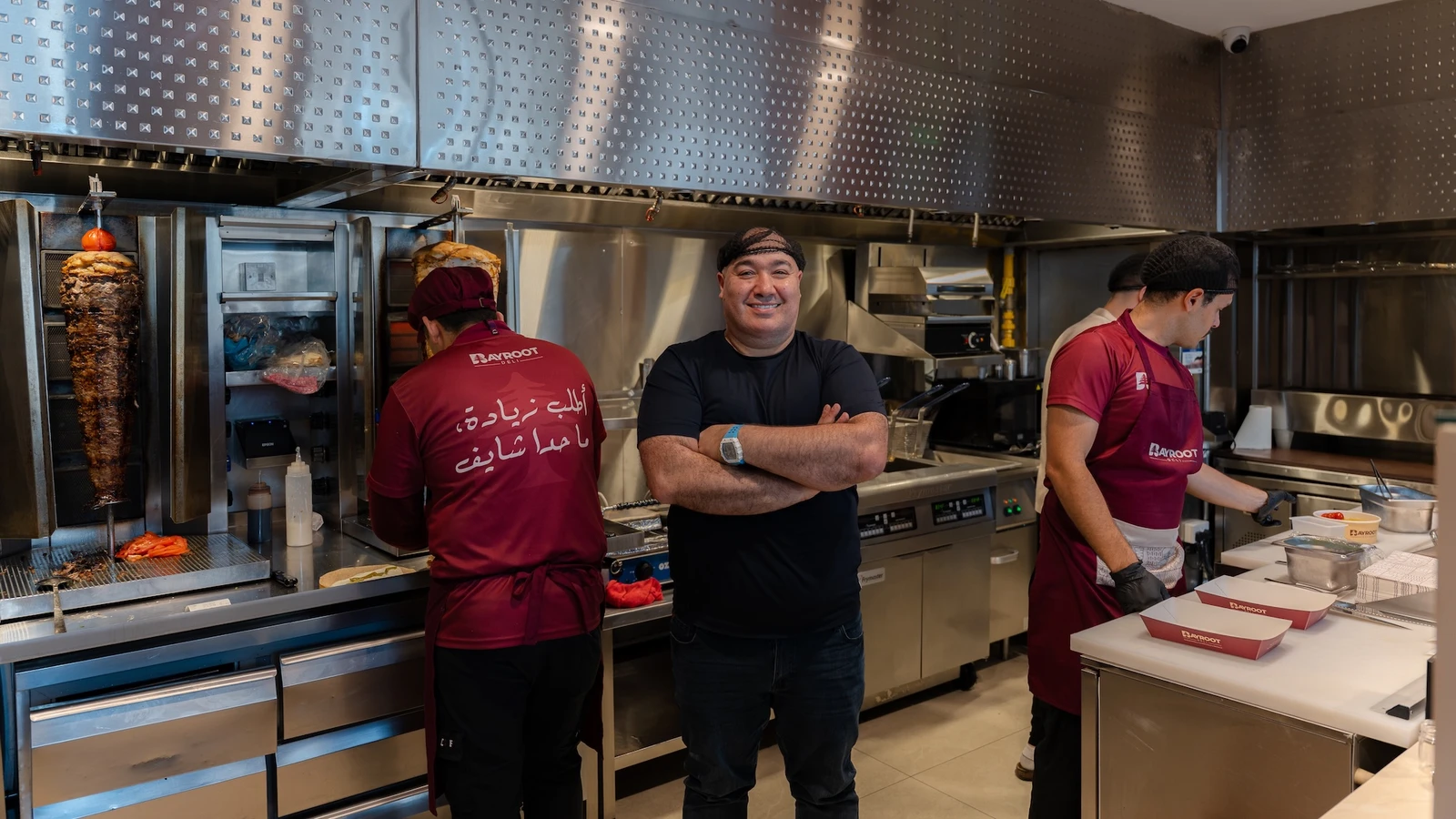
DUBAI: Lebanese restaurateur Fadi Almahaini started working at his family’s bakery in Beirut at the age of 12. At 15, at his mother’s urging, he began studying hospitality, then hotel management.
He moved to Dubai in October 2006 and later opened a burger restaurant in the city, which he sold last year. His latest venture, Bayroot Deli on Sheikh Zayed Road, is a partnership with his mother, Hoda Altaki.
“I feel that with Lebanese food, I have more passion. It’s what I love to eat the most,” he told Arab News.
When you started out, what was the most common mistake you made?
I used to make food complicated and cook it too fast. But my mother taught me to keep it simple. She also taught me to give food time to cook and not to put it on a high temperature. When you take your time, the food becomes better.
What’s your top tip for amateur chefs?
Always taste while you cook — don’t leave it to the end. And use simple ingredients and a few spices, and the dish will be very nice. If you use too many ingredients, you won’t know what you are tasting.
What one ingredient can instantly improve any dish?
Olive oil. If you put olive oil on labneh, which is a simple thing, it takes it to a different level. If you put it on hummus, it takes it to another level. But it has to be good olive oil, not just any olive oil. That’s why we bring our olive oil from Lebanon.
When you go out to eat, do you find yourself critiquing the food?
Not always. But when I go to a restaurant, I look at how the food is presented and what the ingredients are. If I order hot food and it arrives cold, I won’t eat it and I’ll tell them. I also look at how clean the restaurant is. Many times, when I’ve seen that a restaurant isn’t clean, I haven’t continued eating. The most common issue I find is consistency. If I eat a dish today and come back for the same dish next time, I want the same flavor. Sometimes it changes because the chef changes, and sometimes because you can’t always get the same product. Take lemons, for example: one day they have a lot of acidity, the next day less.
What’s your favorite cuisine to order?
If I go for Lebanese food, I always order steamed moghrabieh, if it’s available.
What’s your go-to dish if you have to cook something quickly at home?
Pasta. It’s easy: tomato with garlic and some herbs, and pasta. I’ll add protein too — usually meat or shrimp, depending on what I have in.
What customer behavior most annoys you?
I don’t get annoyed when customers criticize the food. I appreciate every piece of feedback because it helps us improve. What I don’t like is when a customer doesn’t tell you what was wrong with the food, and later puts a one-star Google review without explaining why. I want customers to talk to us and tell us why something isn’t good, so we can fix it and improve.
What’s your favorite dish to cook?
Warak enab (stuffed vine leaves) with meat. It takes a lot of time, but after all that time, when you eat it, it’s very tasty. My mother taught me how to cook it. In Beirut, it would take her the whole day, and she would cook it for us when the family gathered. That’s why, whenever I invite someone to my house, I cook this dish.
What’s the most difficult dish for you to get right?
Shawarma. People think it’s easy, but it’s very complicated because you need the same taste every day and you’re making a big quantity. A lot of things can make it different: the temperature on the skewer has to be the same, and the cut has to be the same. You make hundreds of shawarmas a day, and they always have to be the same.
As a leader, what are you like?
I’m very close to my team. I like to listen to everyone. At the same time, I’m a perfectionist. Everything in the restaurant should be perfect, especially the quality and the cleanliness. I don’t compromise on those things. Sometimes I get angry — I’m human — especially when I see a mistake repeated. If you make a mistake once, I’ll tell you about it. But if you repeat it two or three times, I get angry. Still, I don’t believe in shouting, because when you shout at someone, they won’t understand and they’ll make the same mistake again. I prefer to give people trust and responsibility, but also accountability. At the end of the day, the owner, the chef, the manager and the waiter all have the same goal: to make the customer happy.
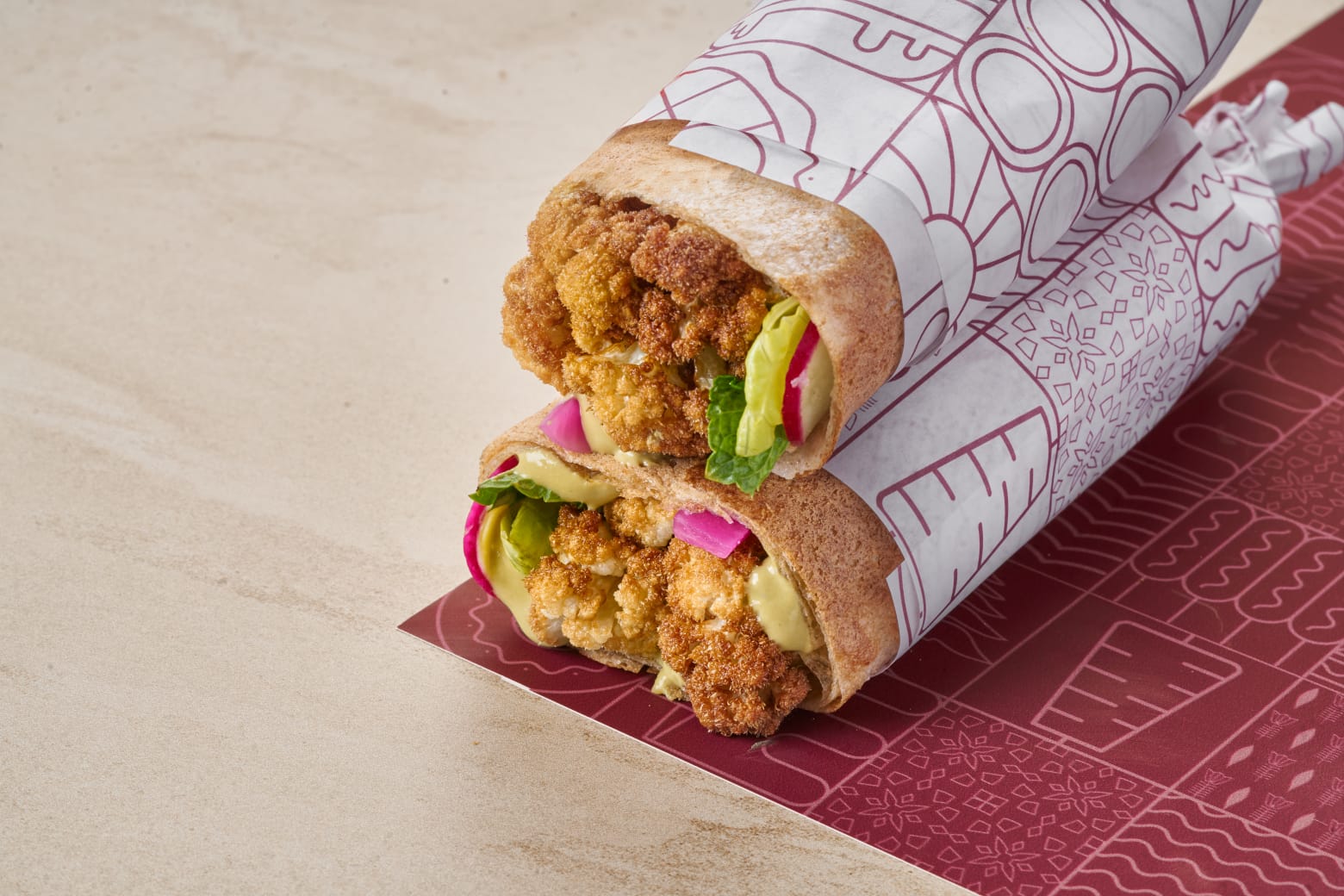
Chef Fadi’s Lebanese cauliflower sandwich
INGREDIENTS
1 small cauliflower, cut into florets
Lebanese or pita bread
Vegetable oil, for frying
Pickled turnips or cucumber pickles
Fresh parsley
Salt
TAHINI SAUCE
½ cup tahini
Juice of 1 lemon
1 small garlic clove, crushed
Salt
Cold water, as needed
METHOD
Make the tahini sauce. Mix the tahini with the lemon juice, garlic and a little salt. Slowly add cold water while mixing until the sauce is smooth and creamy.
Fry the cauliflower florets until golden brown and slightly crispy on the outside. Drain well and season with a little salt.
Warm the bread. Add the fried cauliflower, pickles, parsley and a generous drizzle of tahini sauce.
Roll up and serve immediately.