
- Foreign Ministry spokesman Esmaeil Baqaei indicated this new timeline reflects Iran's good-faith approach to negotiations.
- Iran's previous proposition for reopening was set at a one-week timeframe before it was expedited to two days.
Iran said on Monday it was considering a proposal to reopen the Strait of Hormuz within two days if the United States meets its conditions, signalling a potentially faster timeline for restoring security to the strategic waterway as diplomatic contacts between the two sides continue.
Foreign Ministry spokesman Esmaeil Baqaei said Tehran had previously proposed a one-week timeframe but was now considering implementing the plan within two days.
"The possibility of implementing this plan in two days is another indication of Iran's good-faith approach," Baqaei said.
"If Iran's demands are met, it would be possible to restore security to the Strait of Hormuz and resume the negotiating process within a short period," he added, confirming that the exchange of messages through mediators was still ongoing.
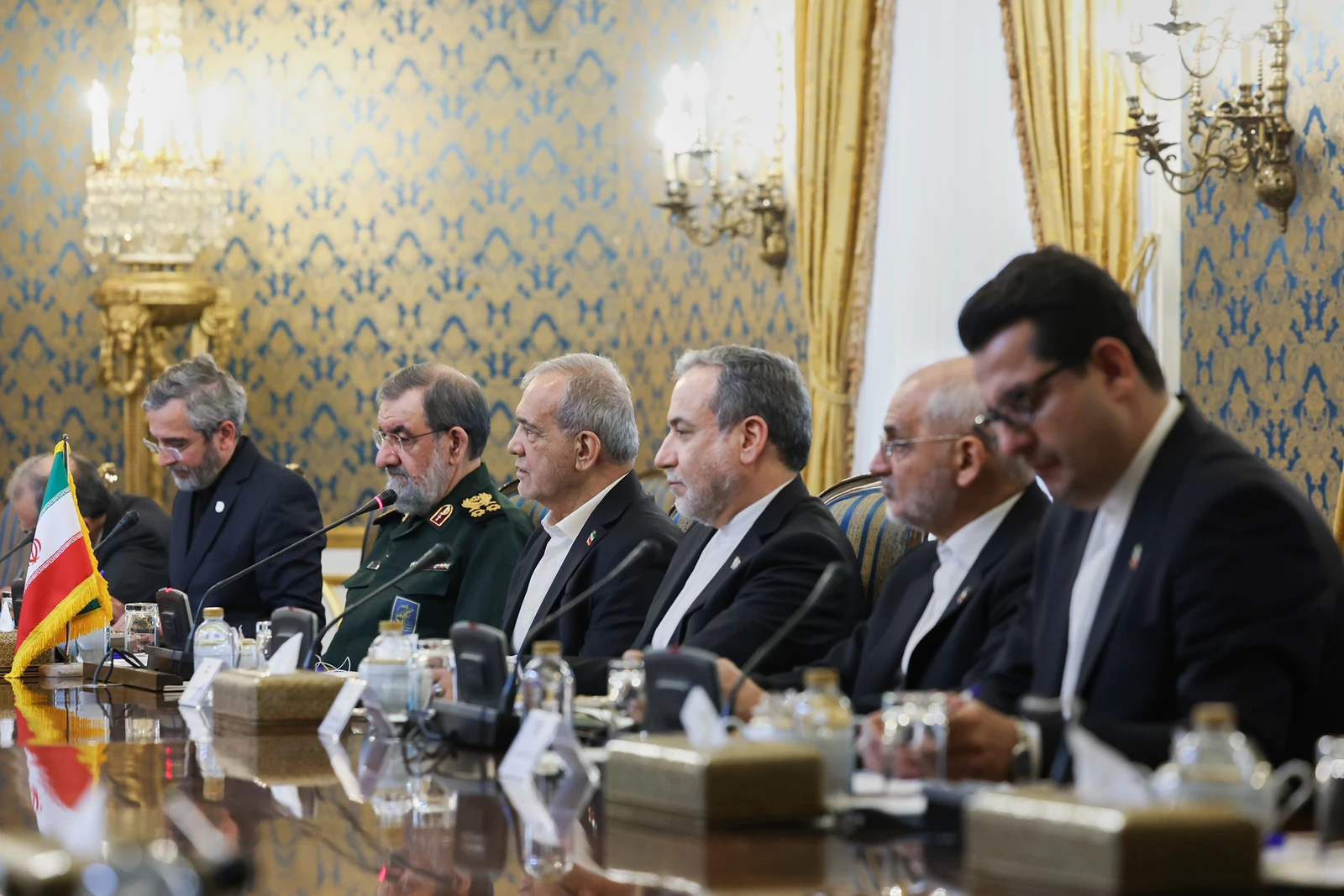
The latest statement comes a day after Iranian Foreign Minister Abbas Araqchi said discussions on a proposed two-day arrangement were continuing, although no final conclusion had been reached.
Qatari broadcaster Al Jazeera had quoted Araqchi as saying that Iranian and Qatari negotiators had developed a proposal to reopen the Strait of Hormuz within two days of a potential agreement with Washington.
Meanwhile, Iranian negotiators left Doha on Sunday after three consecutive days of consultations with Qatari mediators aimed at securing a deal to end the US-Israeli war on Iran.
However, an official briefed on the discussions told Reuters on Monday that the delegation's departure was not due to difficulties in the talks.
The consultations took place amid concerns that the conflict could escalate again after the November 3 US midterm elections.
US President Donald Trump has said Washington will not launch new attacks on Iran before the vote and has described discussions with Tehran as productive, although he has not ruled out further military action afterwards.
Araqchi said on Sunday that Tehran remained prepared for both defence and diplomacy, describing the consultations with Qatari mediators as ongoing and progressing.
Iran has repeatedly warned that any fresh attacks would prompt retaliation against US and Israeli targets in neighbouring countries.
The eight-month-old conflict has disrupted global oil supplies and heightened instability across the Middle East.
Despite the latest diplomatic signals, there has been no announcement of an agreement between Washington and Tehran, and Iran's proposed reopening of the Strait of Hormuz remains conditional on the United States meeting its demands.