- ‘The purpose is to better defend itself against future attacks,’ analyst tells BBC
- ‘It also indicates a priority on rebuilding military capability rather than rehabilitating the economy’
LONDON: Construction appears to be underway across at least two major missile sites and 12 other military bases in Iran, a BBC investigation has found.
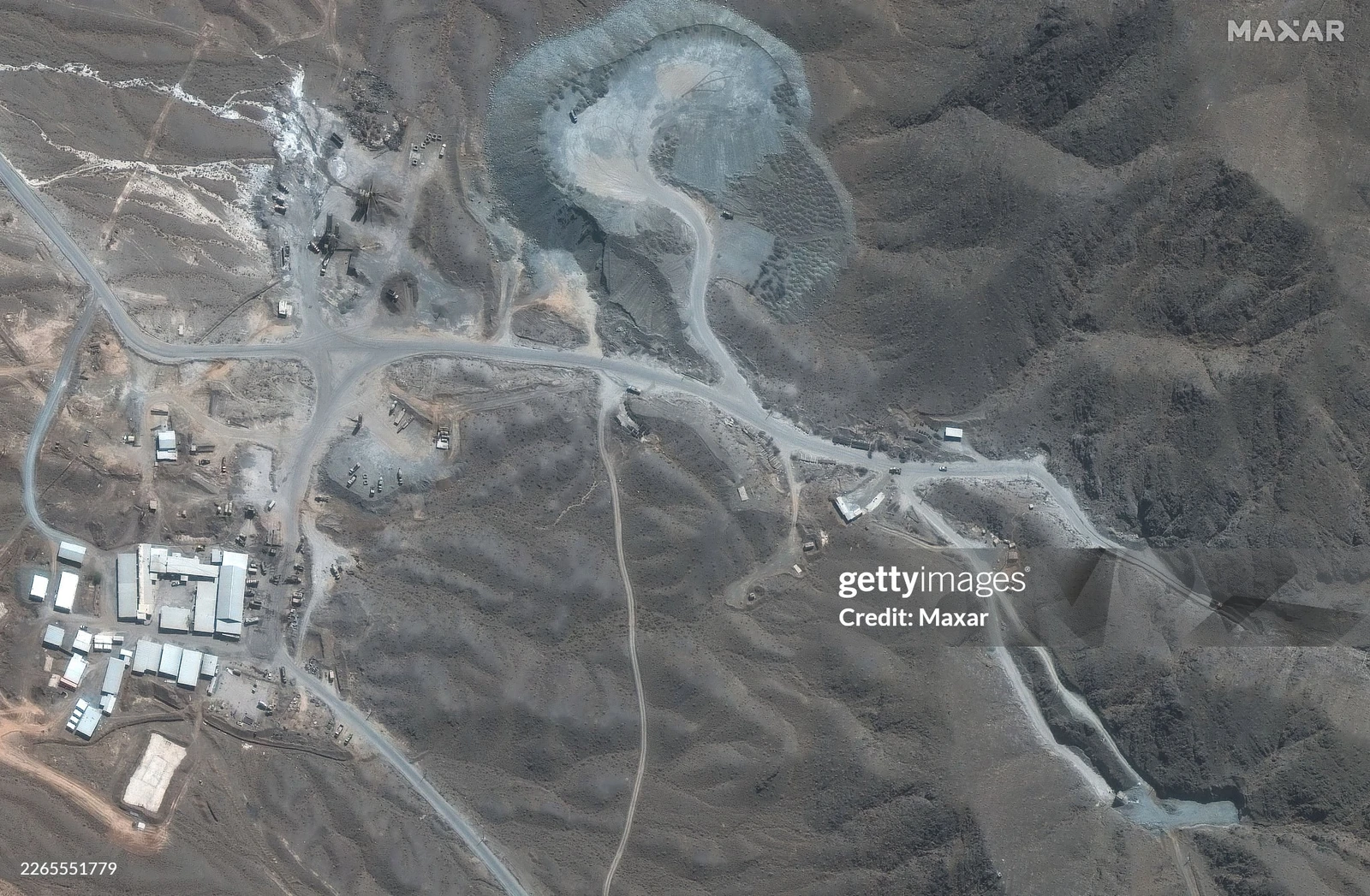
Satellite images of the Garmdareh and Shahroud bases show evidence of digging and construction, according to analysts at British intelligence company MAIAR.
Repair work has been identified at other sites, including new roofs being added to buildings at the Kermanshah missile base in western Iran near the border with Iraq, as well as debris clearance at the Parchin military complex east of Tehran. The sites have all been directly affected by US and Israeli military strikes over the past year.
MAIAR analysts also said work is being done to tunnel entrances near the Fordow underground uranium enrichment complex close to the city of Qom, a scene of repeated US and Israeli strikes.
Former CIA analyst Jim Lamson told the BBC that excavation work at Shahroud could be related to missile production, suggesting that the Islamic Revolutionary Guard Corps could be looking to move facilities underground to protect them from future Israeli and US attacks.
Iran has developed “a pattern of moving infrastructure underground to protect them from further strikes,” a MAIAR analyst said.
Pentagon estimates suggested that the US and Israel “destroyed up to 90 percent of Iran’s drone, ballistic missile and naval industrial base,” and “significantly degraded” its ability to retaliate.
However, former head of the Irish military Mark Mellett told the BBC that Iran’s strategy of increasingly moving missile production underground made it “harder for outside observers to assess the extent and operational status.”
Iran has said it retains vast stockpiles of weapons with which to strike Israel, US forces and regional allies.
Mark Cancian, an analyst at the Center for Strategic and International Studies, told the BBC that the work is likely related to fears of further attacks in the near term.
“The purpose is to better defend itself against future attacks,” he said. “It also indicates a priority on rebuilding military capability rather than rehabilitating the economy.”