- Humanitarians ‘cannot shoot their way through a siege,’ spokesperson Stephane Dujarric tells Arab News. ‘The inhumanity of what is going on needs to be recognized’
- Hospitals in Taiz city rely on emergency stockpiles as shortages of fuel, oxygen, water, medicines, blood products and surgical supplies get worse
NEW YORK CITY: The UN on Tuesday likened the encirclement of the Yemeni city of Taiz by the Houthis to a “medieval siege,” and told Arab News it could not “shoot (its) way through” a blockade that is cutting off about 1 million people from food, water and medicine.
“We’re in the 21st century and we’re seeing medieval sieges of cities,” Stephane Dujarric, spokesperson for UN Secretary-General Antonio Guterres, said in response to a question from Arab News.
“We saw it in Sudan, we’re seeing it here in Yemen. How can this be allowed to happen?”
Asked how the Houthis had responded to repeated UN calls to reopen roads, allow food aid to enter the city and halt its attacks on hospitals, Dujarric said: “The proof is in the pudding: The road is still closed.” The UN continued to press “through different channels,” he added, because many lives were at risk.
“UN humanitarians and our partners cannot shoot their way through a siege. The inhumanity of what is going on needs to be recognized.”
His remarks came a day after the UN’s emergency relief coordinator, Tom Fletcher, warned that all roads into Taiz were closed and essential supplies were running out. Water production in the city has been cut in half, food prices have soared by at least 50 percent, and hospitals were running short of fuel and medicine, he said.
“We have food and medicines ready to move, but the roads must be opened by the parties and those supplies must be let in as soon as possible,” Fletcher added.
Humanitarian agencies warned that the closure of all roads into the city was affecting every aspect of daily life and hampering aid deliveries across Yemen.
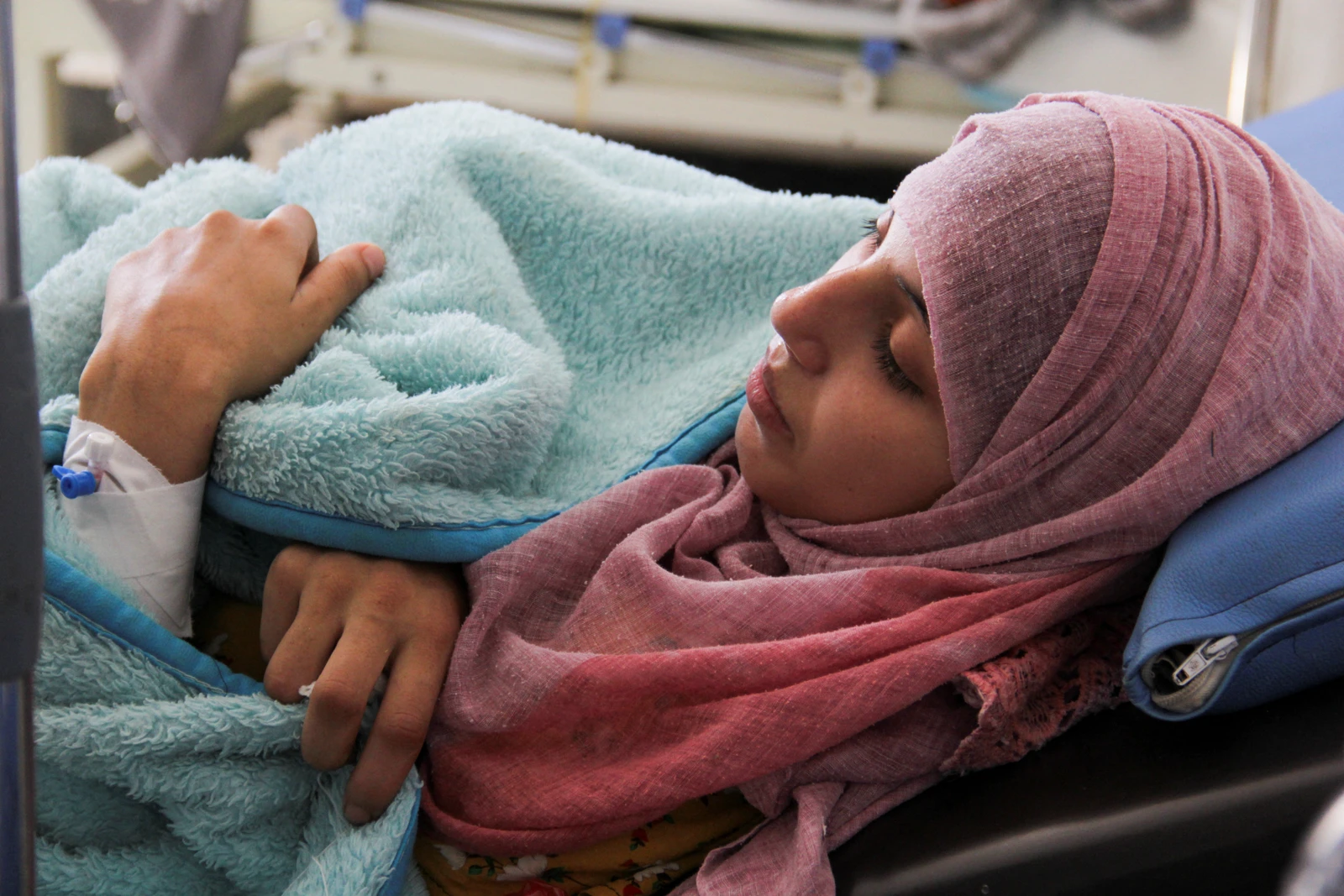
Dujarric said healthcare continued to be targeted during the conflict in violation of international humanitarian law. Citing World Health Organization data, he said 27 health facilities and seven ambulances had been damaged or destroyed and six health workers killed since the latest escalation in fighting began in August.
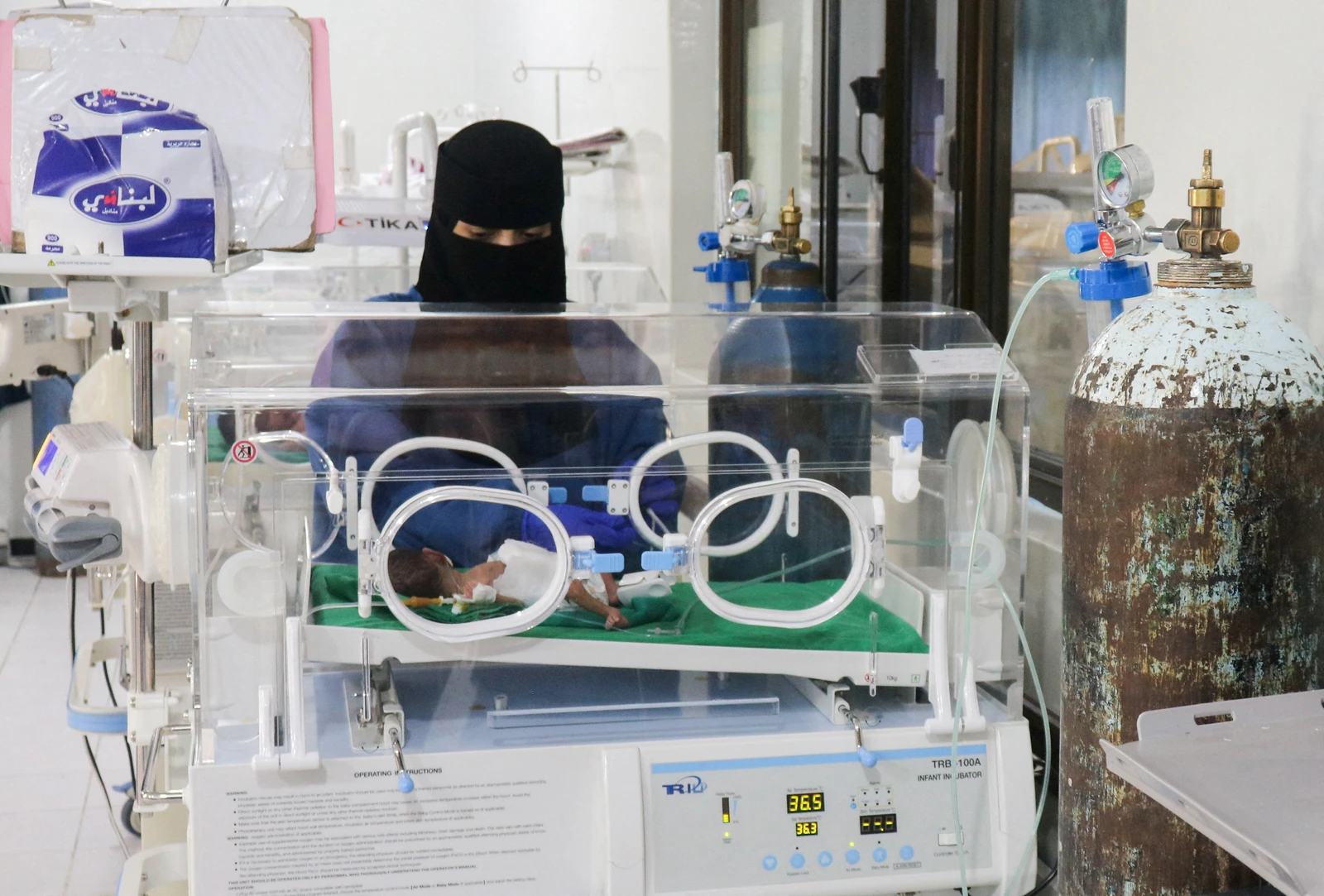
Hospitals in Taiz city were relying on emergency stockpiles, and shortages of fuel, oxygen, water, medicines, blood products and surgical supplies were getting worse across the governorate as rising numbers of trauma patients put further strain an already overstretched healthcare system.
Although cholera cases in Yemen had fallen for a third consecutive week, more than 22,500 suspected cases of measles were recorded and nearly 130 deaths as a result, four in every five of which was of a child under the age of 5. Meanwhile, diphtheria has the highest fatality rate of any disease in Yemen, Dujarric said.
The UN’s special envoy for Yemen, Hans Grundberg, has been holding meetings in Riyadh over the past few days, after a visit to Bahrain, as he continues to engage with all stakeholders to identify practical steps that can be taken to advance efforts to reach a political solution to the conflict.
The civil war in Yemen began in September 2014 and the Houthis first blocked key roads into Taiz in 2015, imposing a de facto siege that continued for years before some routes in and out were reopened in 2024. The militia began to renew the siege in September after capturing territory south of the city and blocking the main road connecting the city with government-held areas.
On Oct. 18, Houthi forces used explosives to badly damage Hayjat Al-Abd road, another critical route into the city, according to Human Rights Watch.
A local planning official has described the current blockade as more comprehensive than the one in 2015, extending as it does to secondary roads linking rural districts.