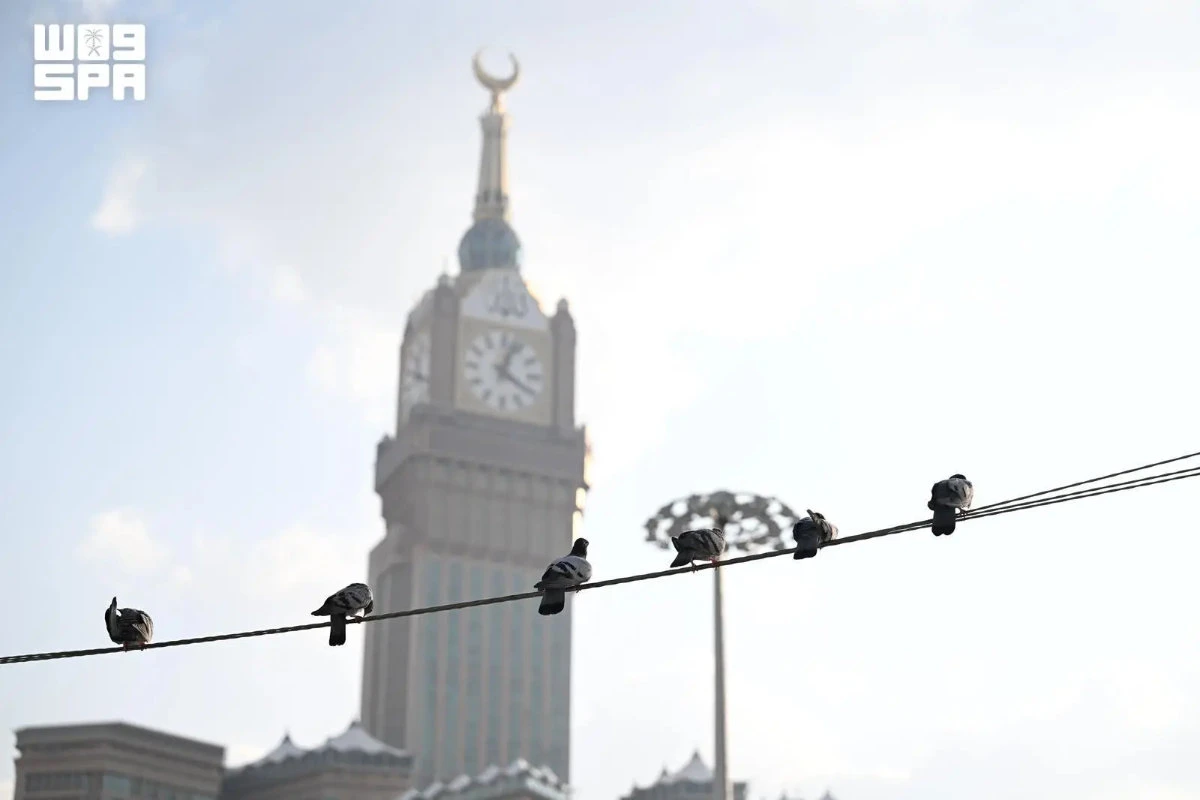
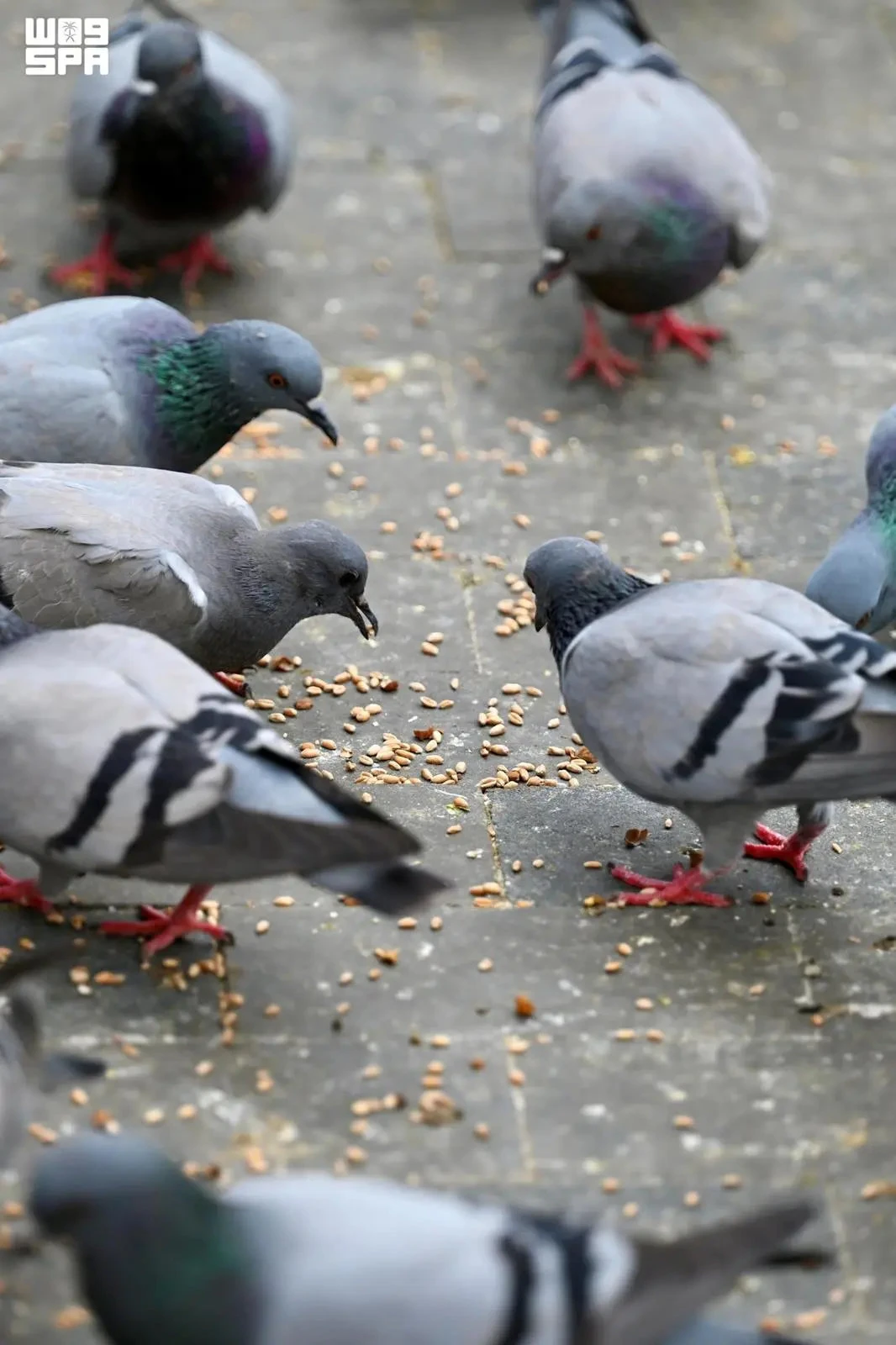
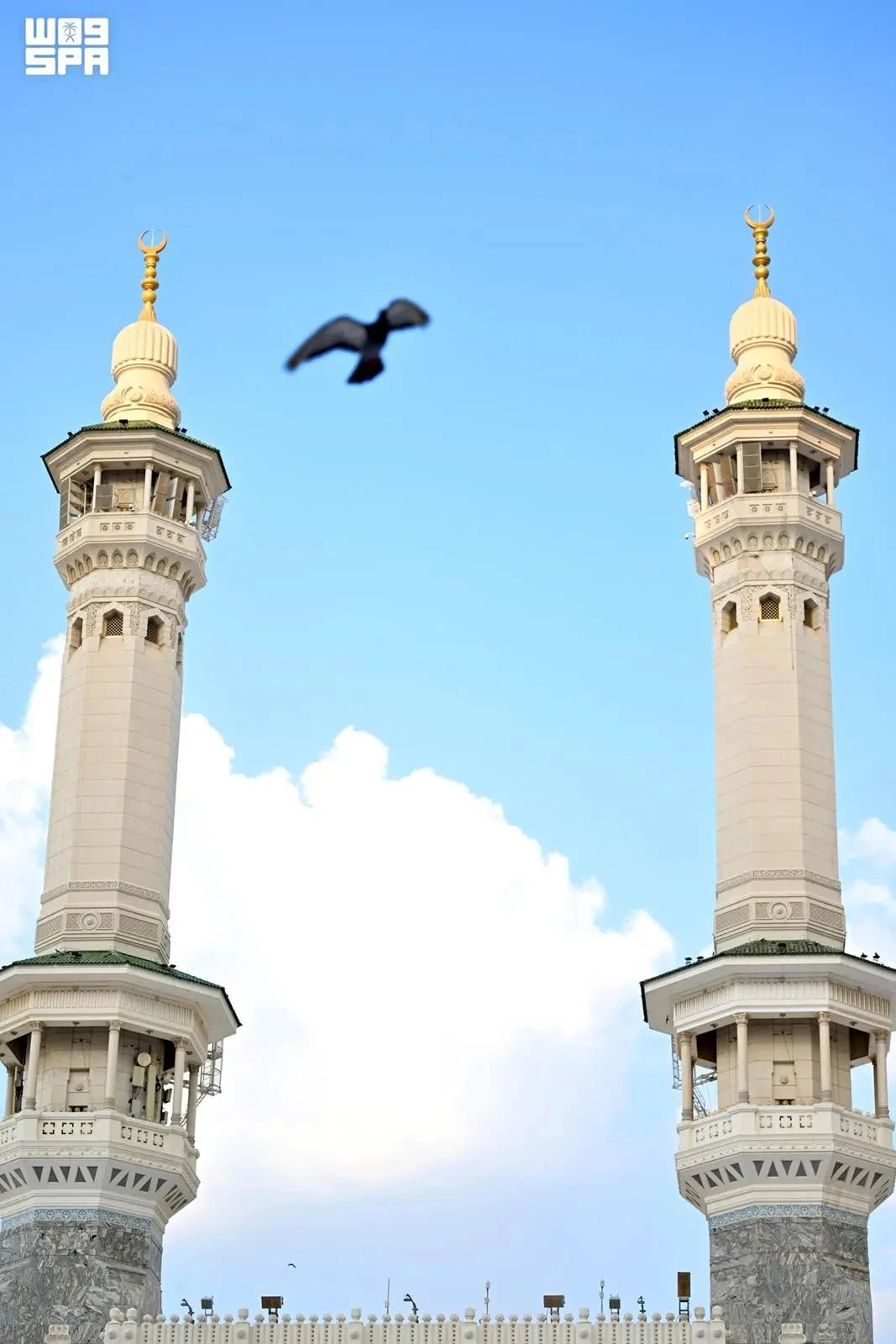
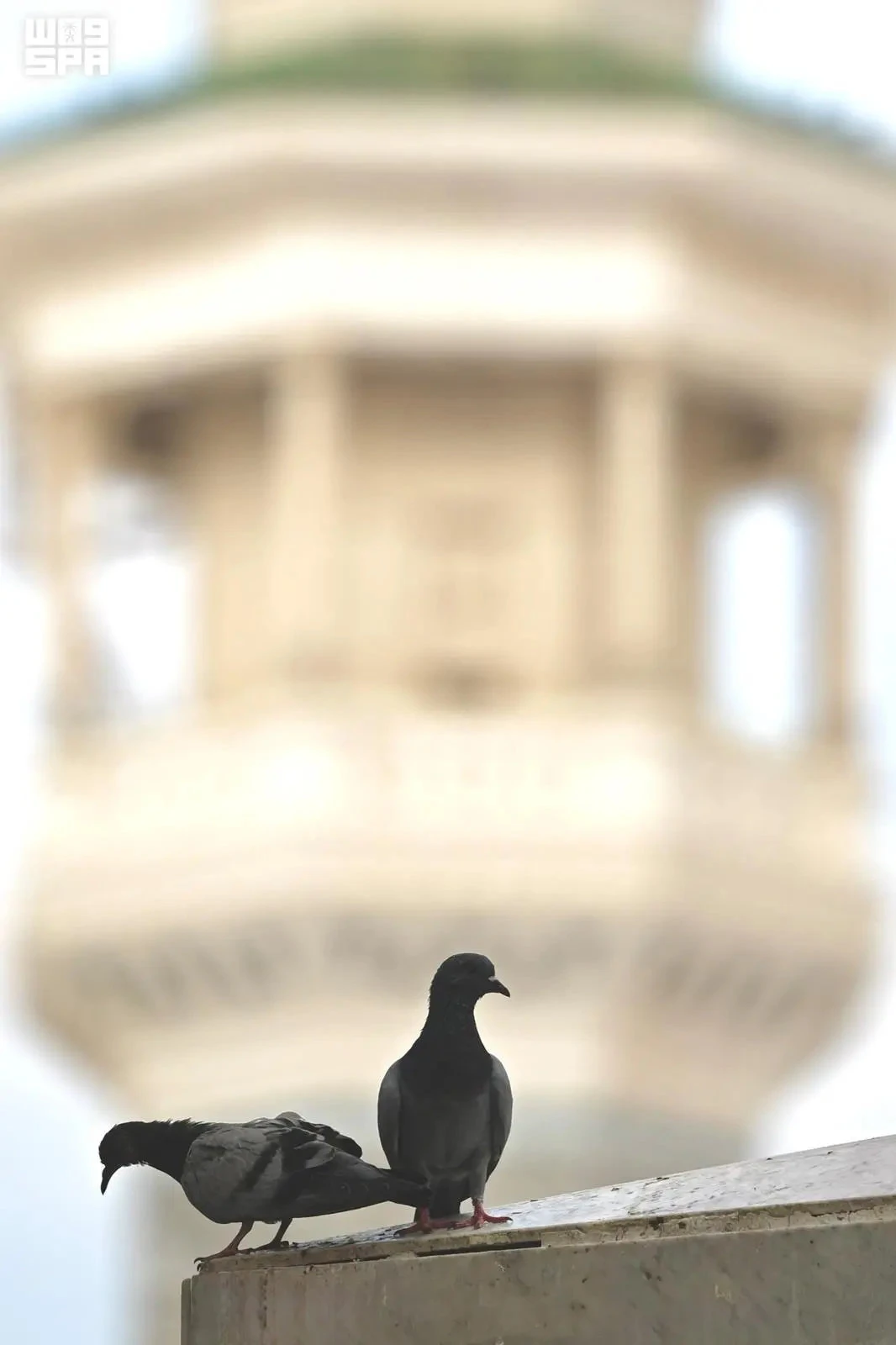
- The pigeons symbolize the serenity and heritage of Islam's holiest city, linking its historical past with present daily life
- Historical chronicles document the pigeons' importance, including prohibitions against hunting or disturbing them within the sanctuary.
- Early historian Abu Al-Walid Al-Azraqi recorded rulings that protect wildlife in sacred areas, while Muhammad Al-Fakihi highlighted their role in local customs and social identity.
- Travel accounts, such as Muhammad Al-Batnuni's narrative from 1911, describe how the birds populated the Grand Mosque, showcasing a tradition of care by worshippers.
- Regular sanitation efforts by the Holy Makkah Municipality help maintain public hygiene in areas frequented by pigeons, balancing their presence with visitor comfort.
MAKKAH: For centuries, flocks of pigeons have swept across the skies, courtyards and rooftops of Makkah, becoming an enduring part of the holy city's landscape and a familiar sight for generations of residents, pilgrims and visitors.
Known locally as Hamam Al-Hima (Pigeons of the Sanctuary) and Hamam Rabb Al-Bayt (Pigeons of the Lord of the House), the birds have come to symbolize the serenity and heritage of Islam's holiest city, their presence linking its historical past with everyday life today.
Their place in Makkah's history extends beyond their familiar presence around the Grand Mosque. Historical chronicles document their significance in the city's religious, legal and cultural traditions, including the longstanding prohibition against hunting or disturbing wildlife within the sanctuary's boundaries.
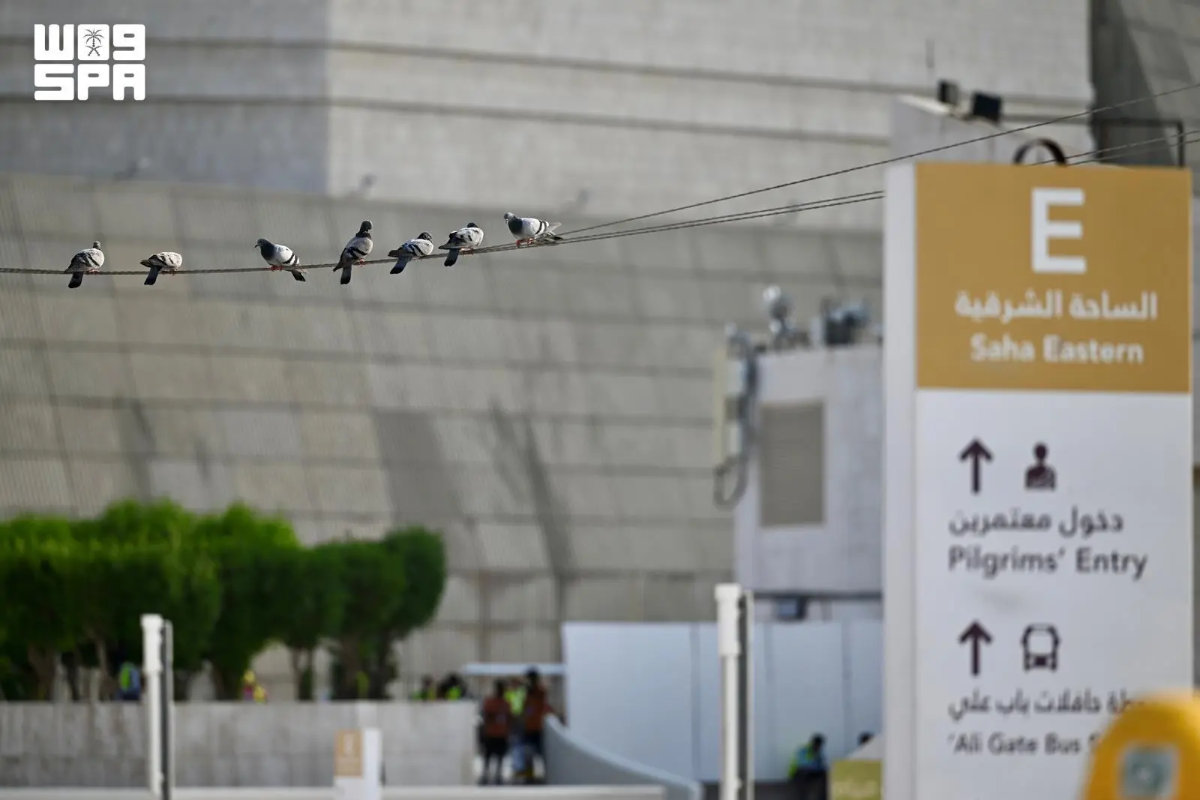
In his historical work Akhbar Makkah (Chronicles of Makkah), early historian Abu Al-Walid Al-Azraqi documented jurisprudential rulings protecting wildlife within the sacred precincts. Another historian, Muhammad Al-Fakihi, recorded literary references, poetry and local customs that illustrate how the pigeons became embedded in Makkah's social and cultural identity.
Accounts by travelers also offer glimpses of how closely the birds were associated with the holy city more than a century ago.
In his 1911 travel narrative Al-Rihlah Al-Hijaziyyah (The Hijaz Journey), Egyptian historian Muhammad Al-Batnuni Muhammad Al-Batnuni described large numbers of pigeons occupying the Grand Mosque's courtyards, rooftops and arched entrances. He also noted feeding and watering places maintained by worshippers, reflecting a tradition of caring for the birds that had become part of the city's daily life.
The pigeons' continued presence also reflects their remarkable ability to adapt to urban environments. They nest and shelter on building ledges and rooftops, while open courtyards and plazas provide space for feeding and gathering.
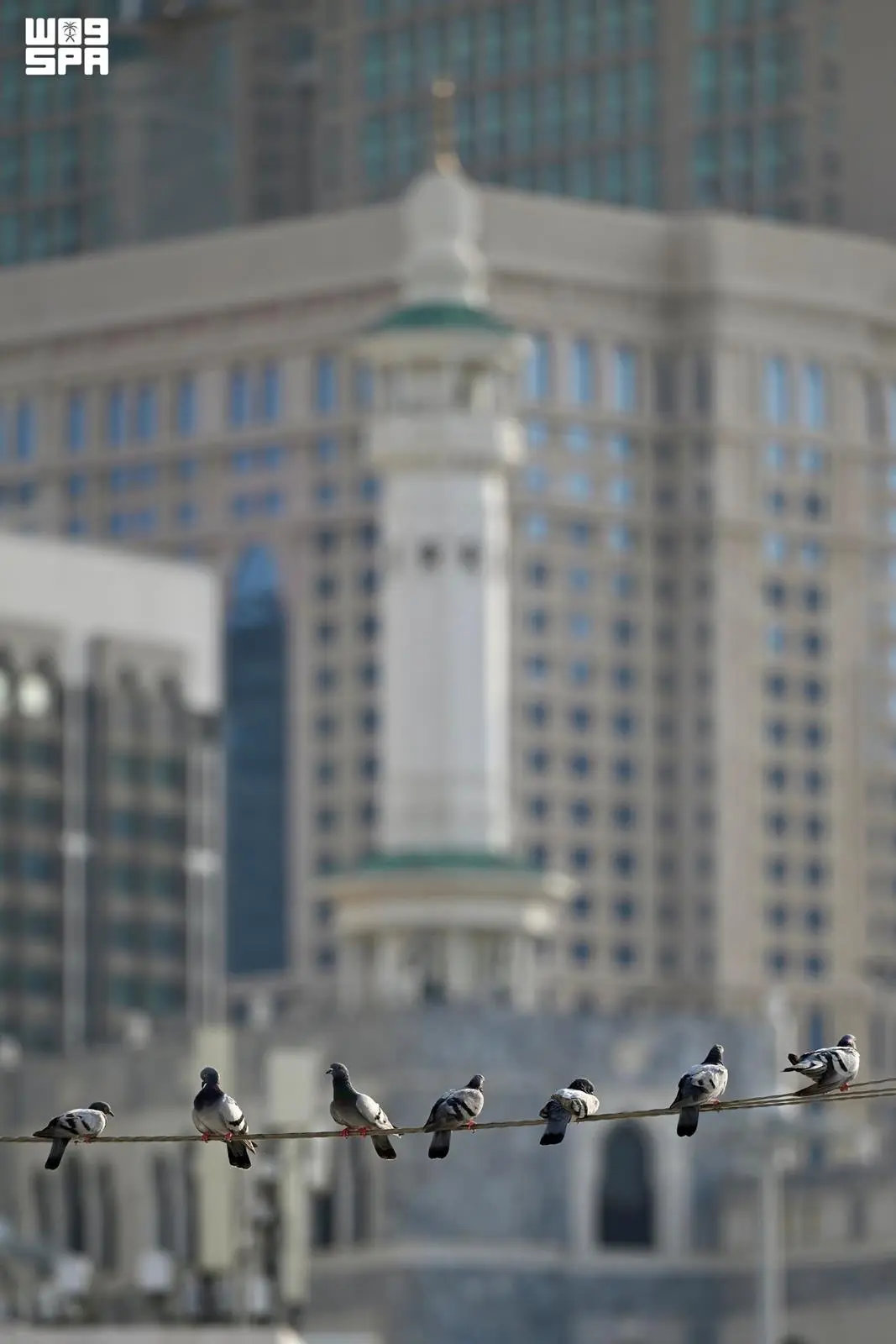
Their synchronized movements across Makkah's central thoroughfares and open spaces near the Grand Mosque have become a familiar feature of the pilgrimage experience. For many visitors, watching the flocks circle above the city is as memorable as the historic architecture surrounding the mosque, with the birds frequently appearing in pilgrims' photographs and travel accounts.
Maintaining this longstanding coexistence, however, also requires attention to public hygiene, particularly in heavily frequented areas.
The Holy Makkah Municipality conducts regular sanitation and cleaning operations in plazas and walkways where pigeons congregate. Municipal teams wash public spaces, remove leftover feed and maintain environmental cleanliness to preserve the city's appearance and ensure the comfort of worshippers and visitors.
From the accounts of early historians and travelers to the photographs taken by today's pilgrims, Makkah's sanctuary pigeons remain a living reminder of the city's enduring traditions.
Their presence, sustained across generations, offers a small but distinctive connection between the historical memory of the holy city and its vibrant life today.