- The Kingdom achieved its 2024 tourist target of 100m visitors six years ahead of schedule, attributed to the economic diversification of Saudi Vision 2030
- Tourism spending is projected to rise to SR550 billion by 2030, up from SR120 billion in 2019, with employment in the sector increasing from 750,000 to one million
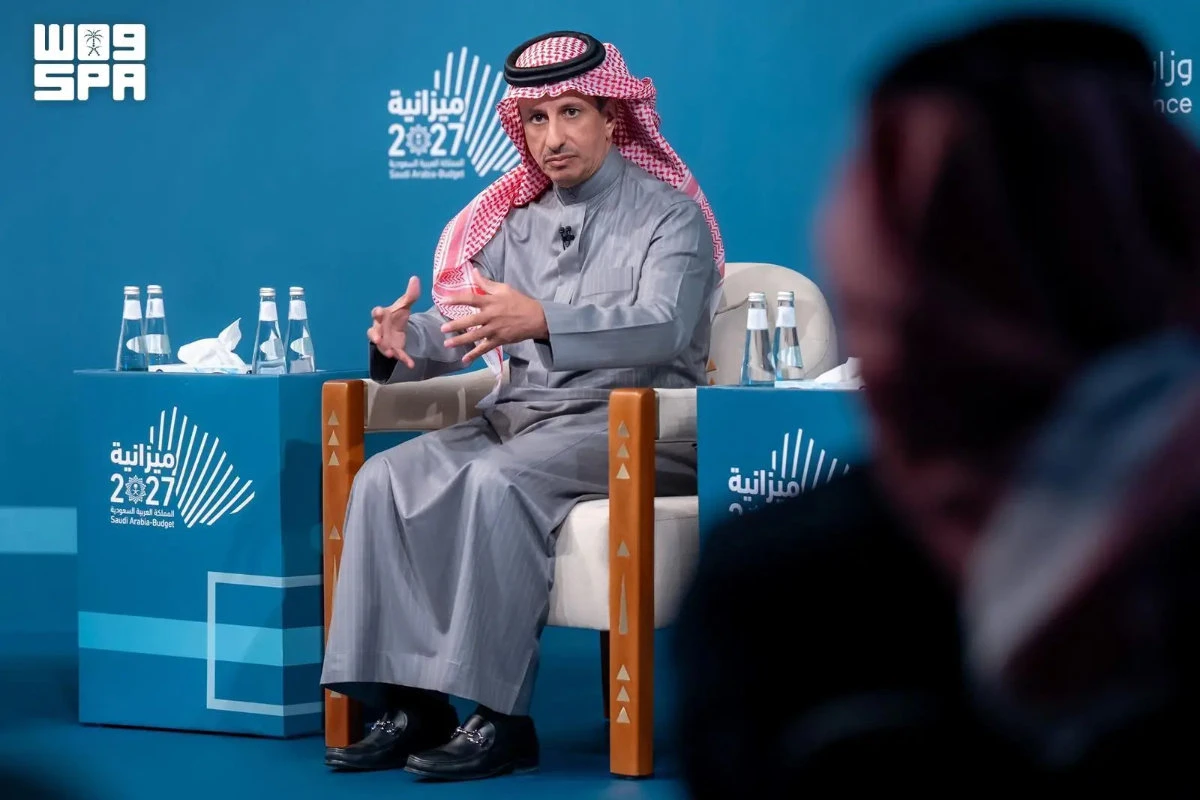
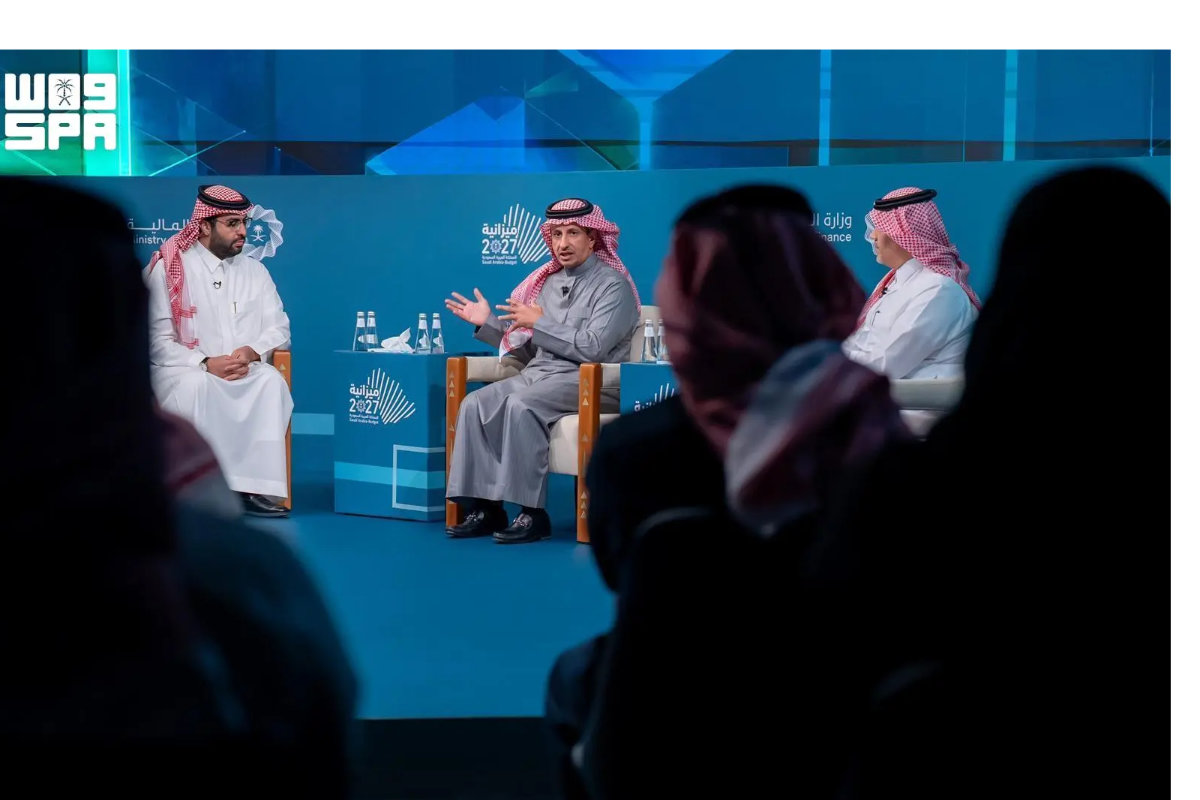
RIYADH: Saudi Arabia recorded the world’s highest growth in inbound tourist arrivals between 2019 and the end of 2025, Tourism Minister Ahmed Al-Khateeb said, citing reports by UN Tourism, as the Kingdom presses ahead with plans to attract 150 million visitors annually by 2030.
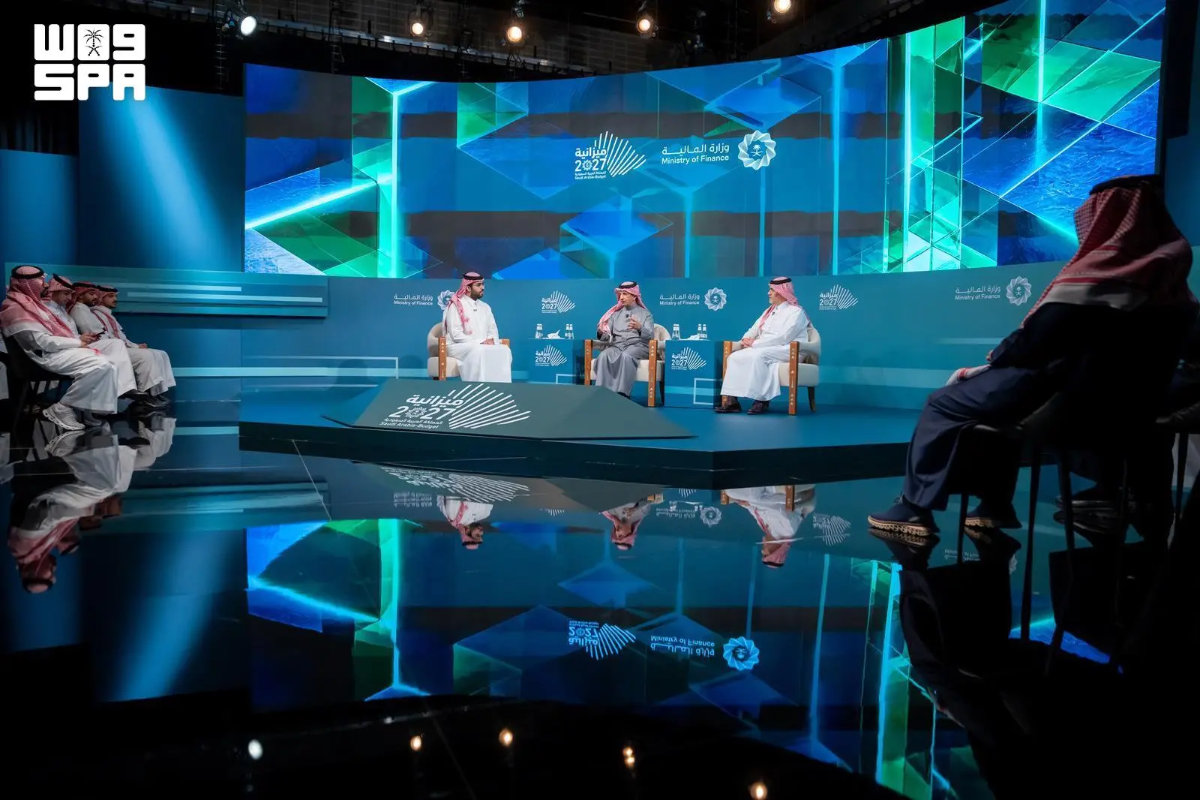
The Saudi Press Agency (SPA) reported on Wednesday that Al-Khateeb made the remarks during a panel discussion on investment opportunities in promising sectors at the Budget 2027 Forum.
He said tourism was among the world’s largest job-creating industries, accounting for about 10 percent of the global workforce.
Saudi Arabia’s tourism sector has sustained strong growth since the launch of the National Tourism Strategy in 2019. The Kingdom achieved its target of attracting 100 million tourists in 2024, six years ahead of the original 2030 deadline, Al-Khateeb said.
He attributed the progress to the economic diversification drive under Saudi Vision 2030, which has expanded investment in tourism, culture, sports and entertainment.
The minister said the clarity of Vision 2030 and the targets set by Crown Prince Mohammed bin Salman had helped accelerate implementation and advance the sector’s objectives.
Reforms attract investment
Al-Khateeb said the development of tourism had required extensive legislative and regulatory reforms, including investments in human capital, new financing channels, easier business procedures and measures to improve the Kingdom’s investment competitiveness.
The introduction of electronic tourist visas and streamlined application procedures had also helped attract visitors, he said. The Tourism Law, announced in 2023, further strengthened the regulatory framework and provided greater clarity for investors.
The Tourism Development Fund has supported more than 300 major projects and over 1,000 small and medium-sized enterprises by offering long-term financing at low cost, Al-Khateeb said, highlighting the importance of smaller businesses to the travel and tourism industry.
The reforms have helped attract more than 50 new international hotel brands to Saudi Arabia, while several global hotel groups have doubled their room capacity and expanded investments in Makkah, Madinah, Riyadh and the Red Sea region.
Tourism investments have generated 250,000 jobs and added more than 200,000 hotel rooms over the past five years, he said.
More than 500 hotels, offering over 100,000 rooms, have opened across the Kingdom in recent years. Another 200,000 rooms are under development for completion by 2030.
Al-Khateeb said an improved regulatory environment, investment incentives, lower costs for investors and Saudi Arabia’s strategic geographical location had helped turn investment opportunities into operational projects.
Infrastructure and major projects
The minister stressed that continued infrastructure development was essential to achieving the target of attracting 150 million tourists by 2030.
He cited the expansion of existing airports and construction of new facilities, including King Salman International Airport and Aseer Airport, as well as the operation of Red Sea International Airport.
The launch of Riyadh Air, the expansion of Saudia’s fleet and the Air Connectivity Program, which encourages international carriers to introduce direct flights to Saudi tourist destinations, were also strengthening the sector, he said.
Improvements to transport networks and the expansion of accommodation, shopping, restaurant and cafe options have further enhanced the competitiveness of Saudi cities as international tourist destinations.
The completion of major developments in Diriyah, Qiddiya and the Red Sea region is expected to broaden the range and quality of accommodation and tourism services.
These projects will also support preparations for Saudi Arabia’s hosting of Expo 2030 and the FIFA World Cup 2034, Al-Khateeb said.
Spending and employment rise
Developing qualified national talent remains another priority, with tourism among the sectors that best showcase a country’s culture and history, the minister said.
He pointed to initiatives to raise minimum wages, establish clearer career paths and expand professional training. Programs aim to train around 100,000 young Saudi men and women annually, while providing opportunities to study at leading international specialized institutes.
Tourism spending in the Kingdom rose from approximately SR120 billion in 2019 to SR304 billion in 2025, with a target of SR550 billion by 2030, Al-Khateeb said.
The number of tourists also increased from about 90 million in 2019 to 123 million last year, while employment in the sector grew from 750,000 to one million.
He said these gains reflected the progress made under Vision 2030 and supported the Kingdom’s ambition to establish tourism as a major contributor to economic growth and diversification.