
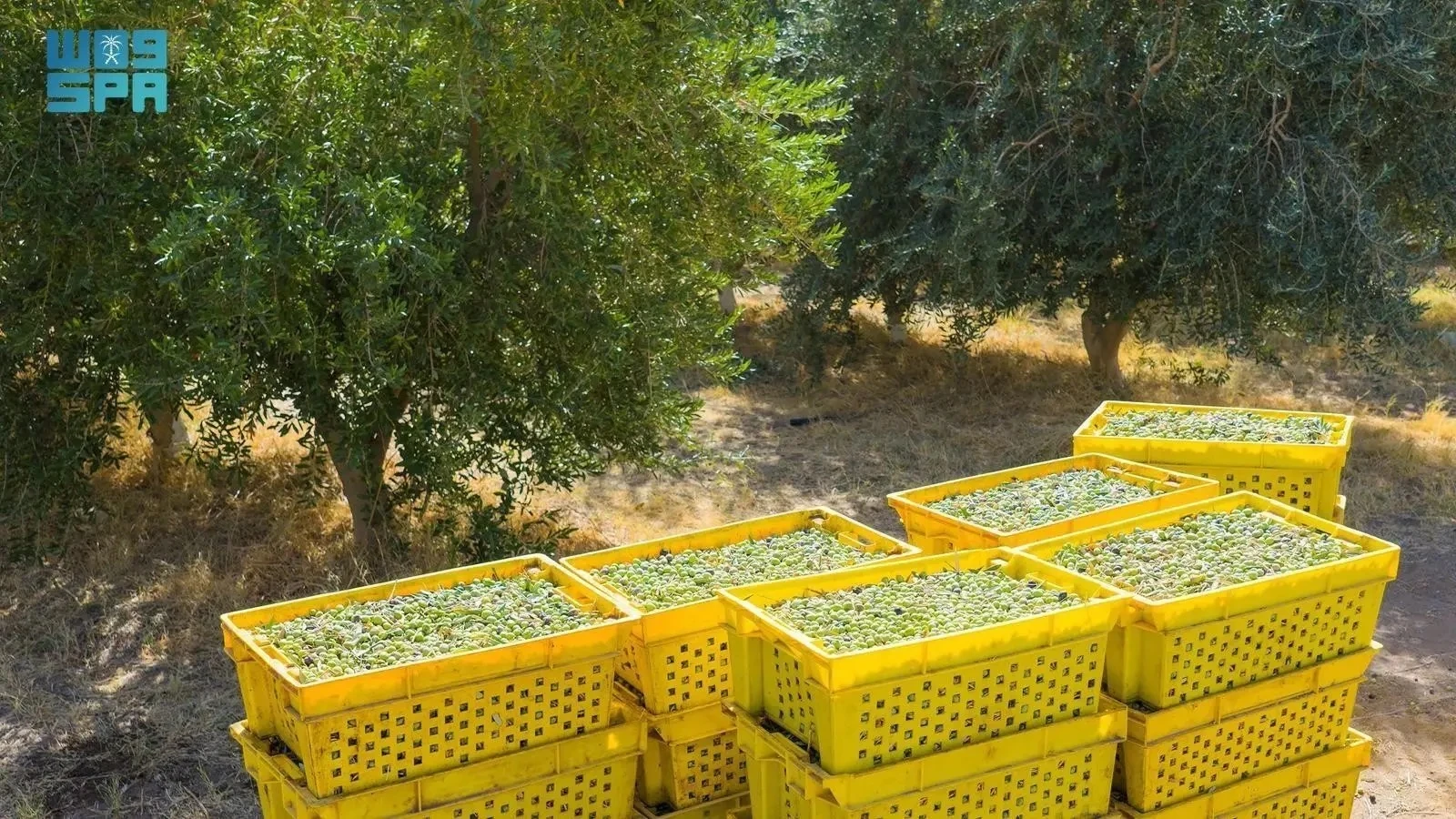
- The new season builds on the region’s growing agricultural activity, with the number of olive trees exceeding 1.5 million
RIYADH: Olive farms in Saudi Arabia’s Tabuk region are preparing for the 2026 harvest, with production expected to reach 94,000 tons of olives and more than 12,250 tons of olive oil, according to the Ministry of Environment, Water and Agriculture.
The new season builds on the region’s growing agricultural activity, with the number of olive trees exceeding 1.5 million, according to the ministry’s Tabuk branch. This marks a period of vibrant agricultural and economic activity as farmers gear up for fruit harvesting, oil extraction and market product preparation.
Activity during the season also extends to transportation, packaging and marketing. Local markets, direct sales outlets, and agricultural festivals serve as important channels for highlighting farmers’ products, raising awareness, and offering consumers a variety of olives and olive oil. These efforts enhance the crop’s economic value and create further marketing opportunities.
The northwestern region’s favorable natural and agricultural conditions have made it one of the Kingdom’s prominent olive-producing areas. The sector also benefits from government support aimed at developing local production, improving efficiency, and strengthening sustainability in the industry.
MEWA’s Tabuk branch continues to support farmers through agricultural extension programs, technical consultations, and awareness initiatives promoting appropriate farming practices. Its efforts also focus on improving production efficiency and conserving natural resources, alongside supporting agricultural festivals that allow producers to showcase their crops and reach consumers.
Olive cultivation in Tabuk spans several varieties, most notably Arbequina, Arbosana, Nabali, and Souri. Each has distinct production characteristics, offering farmers a range of options for cultivation and oil production.
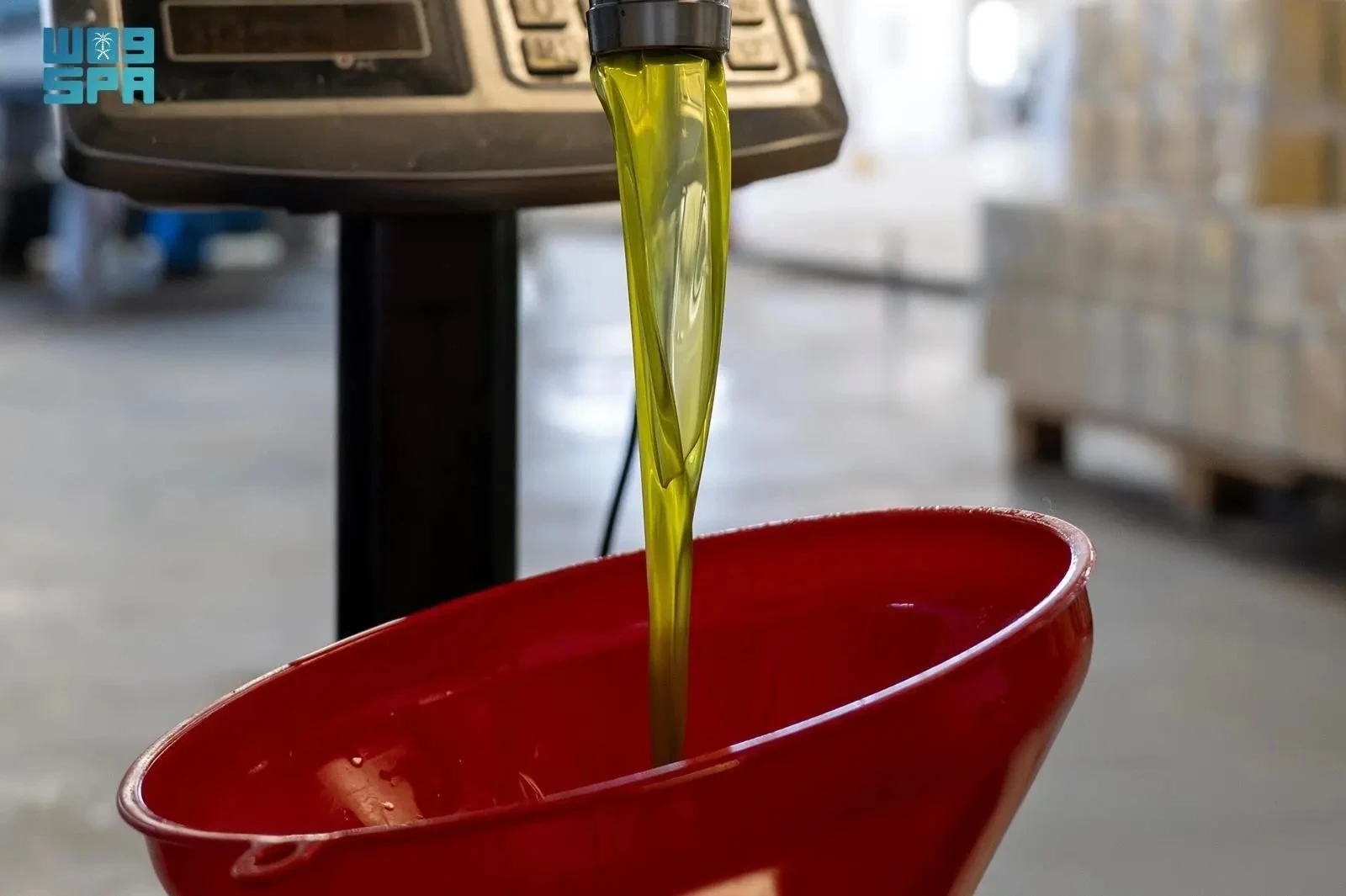
Olive presses represent one of the main links in the production chain, as they receive harvested fruit for sorting, cleaning, pressing and oil extraction before preservation and packaging. Careful management of these processes and the application of appropriate technical practices help maintain the quality and characteristics of the final product.
The adoption of modern technologies throughout olive cultivation and production is also becoming essential, as they promote more efficiency across the production chain. These include irrigation management and water conservation, tree care and fruit quality monitoring, as well as improvements to pressing and storage processes.
The olive season in Tabuk highlights the connection between agricultural production, processing industries and marketing activities, amid government efforts to empower farmers, strengthen the agricultural sector’s contribution to the local economy, and advance sustainability and food security objectives under Saudi Vision 2030.