- The French superstar led the San Antonio Spurs to a dramatic 112-111 victory over the Dallas Mavericks, extending their winning streak to six games
TORONTO: Fifty-two points. Twenty-four rebounds. Eight blocked shots. A historic performance that helped the San Antonio Spurs secure their sixth consecutive NBA victory.
Yet Victor Wembanyama was thinking about the shots he missed.
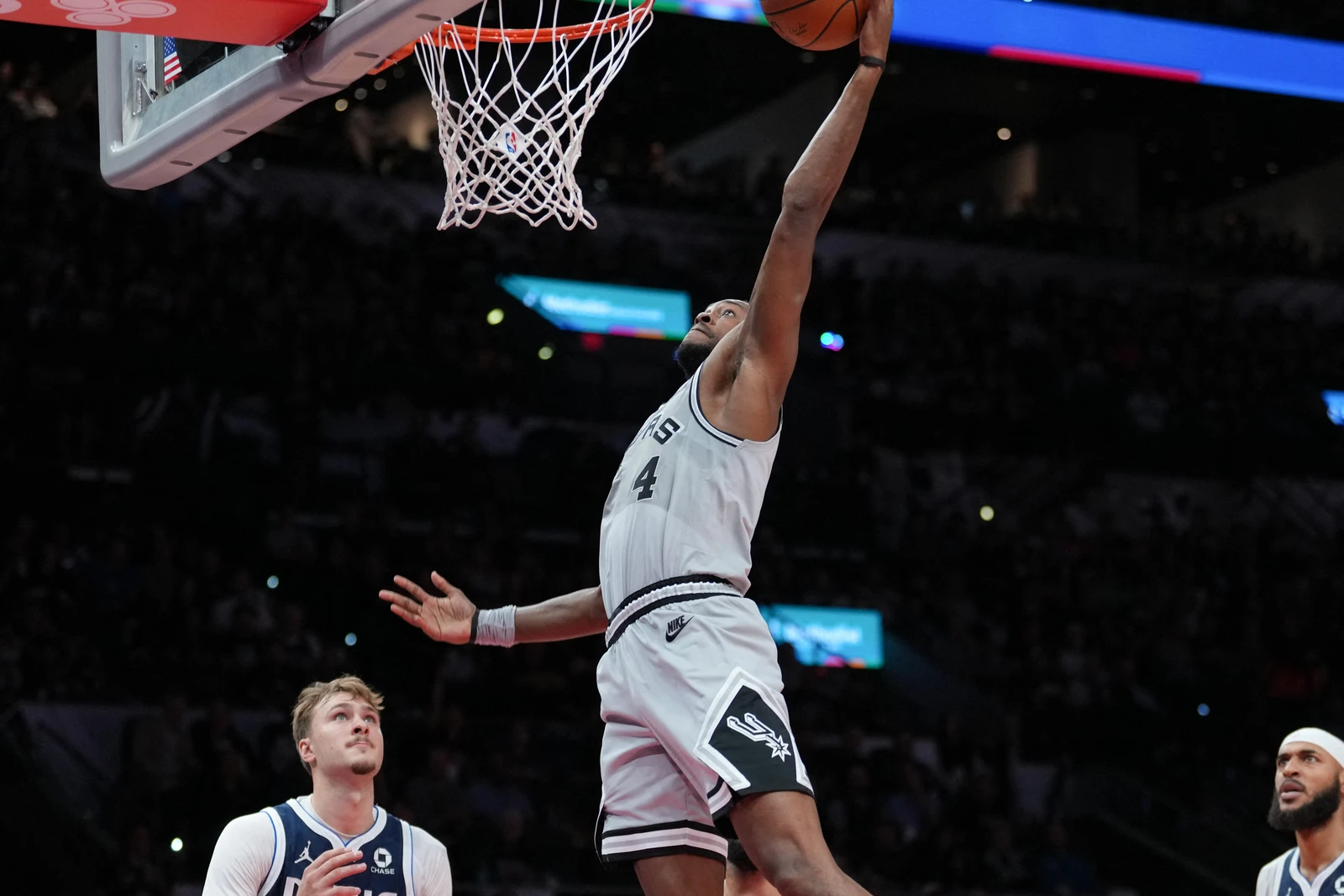
The 22-year-old French superstar had just delivered a career-best performance in Wednesday’s dramatic 112-111 victory over the Dallas Mavericks, becoming the first Spurs player to record at least 50 points and 20 rebounds in a single game.
Despite shooting 16-of-28 from the field and 19-of-23 from the free-throw line, Wembanyama converted just one of his eight three-point attempts, a modest 12.5 percent from beyond the arc.
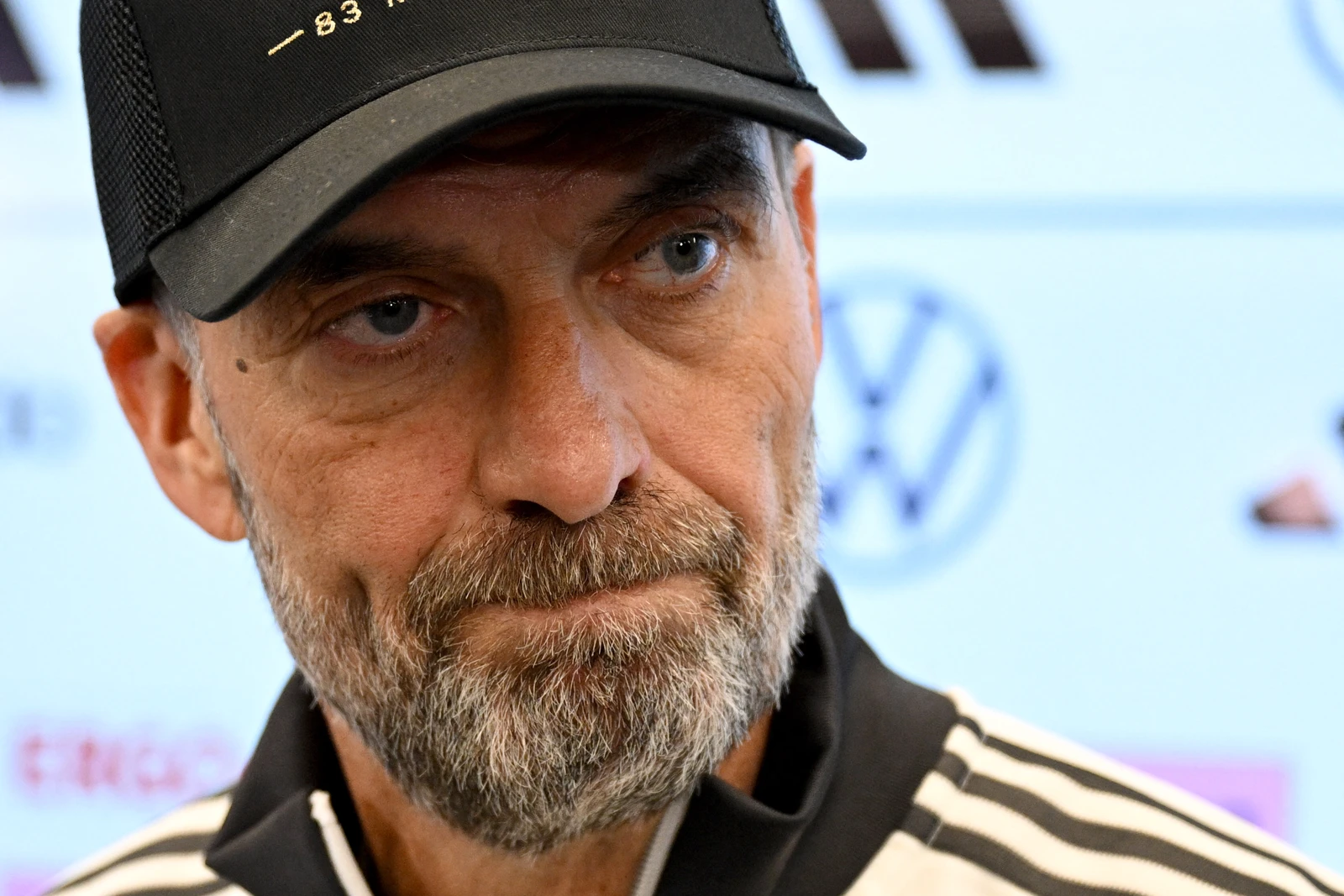
“I can do more,” he told reporters afterward. “I can do more if my shots were falling. This was the worst 3-point shooting of my career.”
His response offered a glimpse into the mindset of one of basketball’s most gifted young players. While the numbers told the story of an extraordinary performance, Wembanyama’s attention was fixed on the one area of his game that had fallen short.
His reaction raises an interesting question about the mindset required to reach the very top of professional sport: When does an extraordinary achievement become merely another measure of what remains possible?
For Wembanyama, the pursuit of something greater has already been shaped by disappointment.
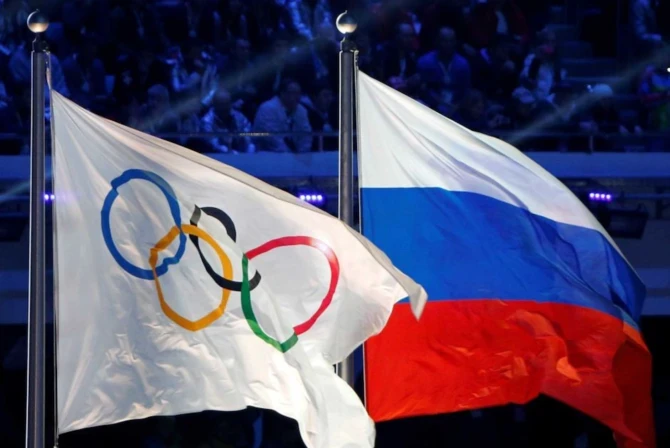
At the Paris 2024 Olympics, he was visibly devastated after France lost 98-87 to Team USA in the men’s basketball gold medal game.
Having scored 26 points in the final, Wembanyama walked across the court in tears and buried his face in a towel. An Olympic silver medal, achieved on home soil, offered little immediate consolation.
But his response to that disappointment was striking. “I’m learning, and I’m worried for the opponents in a couple of years,” Wembanyama said after the Olympic final. Asked whether he meant NBA or FIBA opponents, he replied with a single word: “Everywhere.”
It was a bold declaration from a young player who appeared to view defeat not as an endpoint, but as part of his development.
Two years later, Wembanyama helped carry the Spurs to the 2026 NBA Finals, their first appearance since 2014.
Named Western Conference Finals MVP after San Antonio defeated the Oklahoma City Thunder in seven games, he had taken another significant step toward the championship he wanted.
The Spurs ultimately lost the Finals 4-1 to the New York Knicks, but their transformation from a rebuilding franchise into championship contenders demonstrated the growing influence of their French superstar.
His personal expectations were equally clear in a recent interview with CBS’s 60 Minutes. Discussing the NBA Most Valuable Player award, Wembanyama acknowledged that he had not deserved the honor the previous season before adding, with a laugh: “I should win it this year, though.”
Such confidence comes with expectations, but Wembanyama is increasingly producing performances to justify them.
Against Dallas, he became only the second player since the NBA began officially recording blocked shots in 1973-74 to register at least 50 points, 20 rebounds and five blocks in a game.
He had already collected 29 points, 15 rebounds and five blocks by halftime, helping San Antonio build a 68-51 lead. When the Mavericks fought back in the second half, Wembanyama remained central to the contest, eventually converting the decisive free throw with 24 seconds remaining.
The victory improved the Spurs’ record to 6-2, offering another indication of their ambitions following last season’s run to the Finals.
For all his extraordinary talent, Wembanyama is discovering a lesson familiar to some of basketball’s greatest players: The road to a championship rarely follows a straight line.
Michael Jordan spent years trying to overcome the Detroit Pistons, who eliminated his Chicago Bulls from three consecutive playoff seasons before he finally broke through in 1991 and won his first championship.
LeBron James endured two NBA Finals defeats, first with Cleveland in 2007 and then with Miami in 2011, before claiming his maiden title in 2012.
Kobe Bryant faced a different challenge. After winning three championships alongside Shaquille O’Neal, he was determined to prove he could lead the Los Angeles Lakers to a title without his former teammate. His first NBA Finals appearance without O’Neal ended in defeat to the Boston Celtics in 2008, but he responded by winning consecutive championships in 2009 and 2010, the latter against those same Celtics.
Their journeys were different, but each demonstrated that individual brilliance alone does not guarantee the ultimate prize. Championships require patience, adaptation and the ability to respond when expectations are not met.
The French star, nicknamed “The Alien,” has already experienced his share of painful defeats, from the Olympic final in Paris to last season’s NBA Finals. Whether he can turn those setbacks into an NBA championship or Olympic gold medal remains to be seen.
For now, his reaction to a historic performance says plenty about his ambitions. Fifty-two points were not enough to satisfy him.