
 Two brothers, two trees, two lessons

- A leader’s success should not be measured only by what the team achieves under direct supervision, but also by how well its members can perform, make decisions, and adapt independently
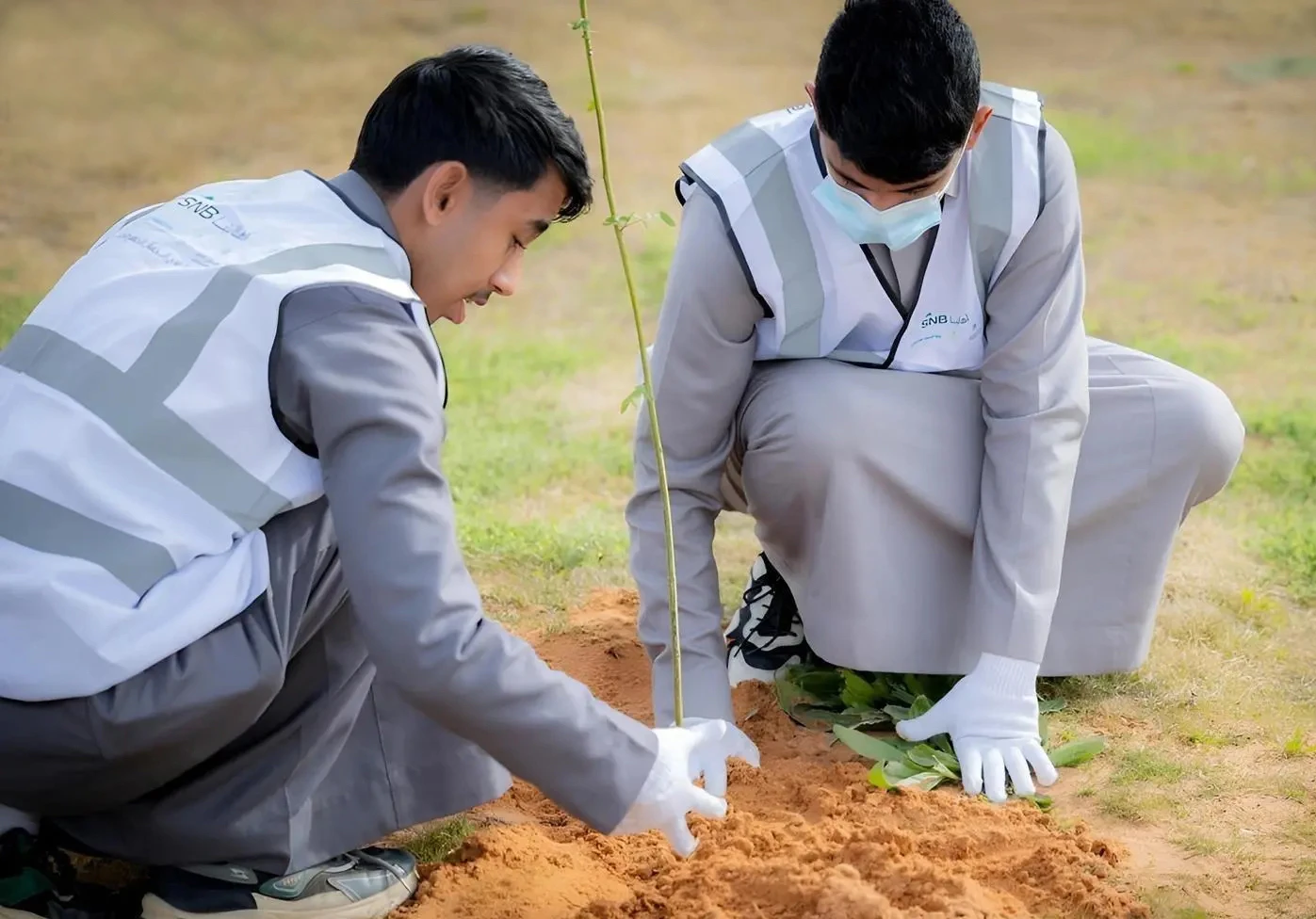
RIYADH: Two brothers once decided to plant a tree each in their gardens. They chose the same type of tree, planted them on the same day, and promised to take good care of them. Both wanted to see their trees grow tall, strong, and healthy.
The first brother believed that the best way to care for his tree was to make sure it never lacked anything. He watered it frequently, sometimes even before the soil became dry. He checked on it every day and made sure it never experienced a moment of thirst.
The second brother took a different approach. He gave his tree enough water to grow, but never more than it needed. He allowed the soil to dry slightly between waterings, giving the roots a reason to grow deeper in search of moisture. He watched the tree carefully, stepping in when necessary but allowing nature to do its work.
Months passed, and both trees grew beautifully. Their trunks became thicker, their branches spread, and their leaves turned a healthy green. From above the ground, there was hardly any difference between them. Anyone passing by would have thought that both brothers had done an equally good job.
But beneath the surface, a very different story was developing.
The first tree had grown accustomed to the constant supply of water near the surface. Its roots had little reason to reach deeper into the soil. The second tree, however, had developed a stronger and deeper root system as it adapted to the conditions around it.
Then, one evening, a powerful storm struck the village. Heavy rain fell, and strong winds swept through the gardens. By morning, the first tree had been uprooted and destroyed. The second tree had lost a few branches, but it remained standing.
The difference was not in what people could see above the ground. It was in what had developed beneath it. This simple story carries an important lesson about leadership.
In the workplace, some leaders believe that supporting employees means being available at every step, providing immediate answers, solving problems, and removing obstacles before their teams have a chance to face them. Their intentions are usually good. They want their employees to succeed, avoid mistakes, and deliver results without unnecessary pressure.
Other leaders take a different approach. They provide the right support, but they also allow employees to face challenges, explore solutions, make decisions, and learn from experience. They understand that helping someone grow does not always mean making the journey easier.
Interestingly, both approaches may produce similar results in the short term. Tasks are completed, deadlines are met, and performance appears satisfactory. Just like the two trees, there may be little visible difference between employees working under these leaders.
The real difference often appears when challenges arise. Employees who have always received detailed instructions and immediate solutions may struggle when faced with unfamiliar situations without their leader’s guidance. They may hesitate to make decisions, fear making mistakes, or wait for someone to tell them what to do next. They have learned how to follow instructions, but not necessarily how to think independently.
On the other hand, employees who have been encouraged to solve problems and take responsibility are often better prepared for uncertainty. They may not always have the right answer, but they have developed the confidence to find one. They know how to assess a situation, consider alternatives, and make decisions within their responsibilities.
These are the roots that leadership should help develop. However, there is an important distinction between challenging employees and leaving them without support. The second brother did not stop watering his tree. He simply understood that too much care could prevent it from developing the strength it needed.
The same principle applies to leadership. Employees need guidance, feedback, resources, and encouragement. They also need room to think independently and learn from their mistakes. The challenge is finding the right balance between providing support and allowing growth.
A leader who constantly steps in may solve today’s problem but unintentionally create tomorrow’s dependency. Sometimes, the most valuable response a leader can give is not an answer, but a question:
“What do you think we should do?”
“What options have you considered?”
“What would you recommend?”
These simple questions encourage employees to think beyond the immediate task. They communicate trust while helping employees build confidence in their own judgment.
Of course, some situations involve serious risks or consequences that require direct intervention. Good leadership means recognizing when support is necessary and when employees are ready to take responsibility. An experienced employee may benefit from greater freedom, while someone learning a new responsibility may need closer guidance.
There is also a lesson in how organizations measure performance. Strong results today do not always mean employees are developing the skills they need for tomorrow. A team may appear highly productive because its leader is involved in every decision. But what happens when that leader is unavailable, moves to another position, or faces an unexpected crisis?
That is when the strength of the team becomes clear.
A leader’s success should not be measured only by what the team achieves under direct supervision, but also by how well its members can perform, make decisions, and adapt independently.
In the end, both brothers cared about their trees. Both wanted them to grow. But one focused on meeting every immediate need, while the other also prepared his tree for future challenges.
The goal is not to develop employees who cannot succeed without their leaders. It is to develop people who become stronger because of their leaders.
Because when the storm comes, the true measure of leadership is not how tall the tree has grown, but how deep its roots have become.
— Firas Abussaud is a petroleum engineering systems specialist with more than 23 years of experience in the industry. He holds a bachelor of science degree in chemical engineering and a master of science in construction engineering and management from King Fahd University of Petroleum and Minerals. Beyond his technical expertise, he is interested in photography, graphic design and artificial intelligence.