- Organization says it will place greater emphasis on mobilizing individual supporters to contribute directly to candidates
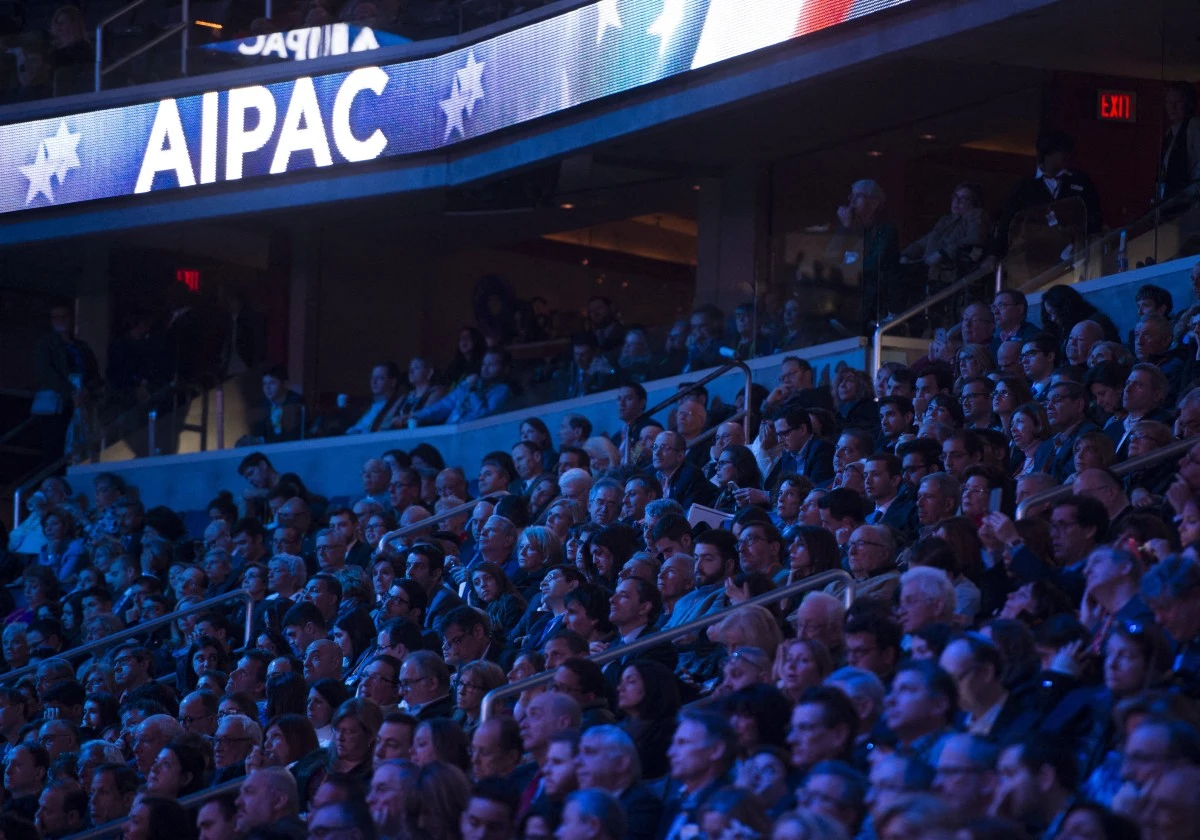
CHICAGO: The American Israel Public Affairs Committee is changing the way it participates in US elections, announcing that it will stop formally endorsing candidates, making direct contributions through its political action committee and earmarking donations after the 2026 election cycle.
AIPAC, one of the most influential pro-Israel lobbying organizations in US politics, said it would instead place greater emphasis on mobilizing individual supporters to contribute directly to candidates.
Its affiliated super PAC, the United Democracy Project, or UDP, will continue operating and spending independently to support or oppose federal candidates.
“Endorsements, direct PAC contributions, and earmarking will no longer be part of our approach,” AIPAC said in a letter to members this week, adding that it wanted to develop a more “strategic, consequential and nimble” political operation.
The change marks a retreat from a strategy AIPAC adopted ahead of the 2022 elections, when it began publicly endorsing federal candidates and established both a traditional PAC and the United Democracy Project super PAC.
It does not, however, amount to an AIPAC withdrawal from electoral politics.
The organization said it would continue recommending candidates to its supporters and organizing individual contributions, while UDP will remain able to raise and spend unlimited amounts on independent campaigning, provided it does not coordinate that spending with candidates.
AIPAC said its members gave more than $90 million directly to candidates during the current election cycle. Federal Election Commission filings show UDP has also spent tens of millions of dollars on independent expenditures supporting or opposing candidates.
The decision comes after several high-profile races in which candidates benefiting from substantial pro-Israel outside spending were defeated, although AIPAC has also recorded numerous victories.
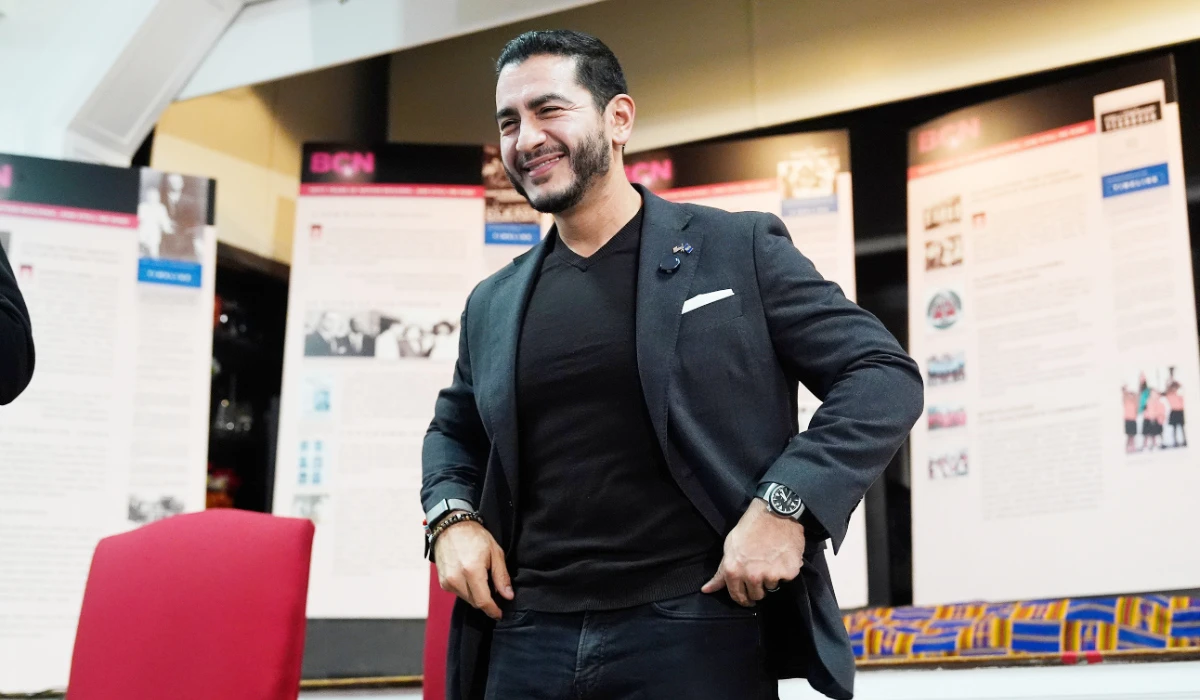
One of the most prominent setbacks came in Michigan, where Rep. Haley Stevens lost the Democratic US Senate primary to Abdul El-Sayed in August.
UDP reported more than $30 million in independent expenditures in the primary — about $10.5 million supporting Stevens and more than $20 million opposing El-Sayed, according to Federal Election Commission data compiled by VoteLog.
Despite the spending advantage, El-Sayed defeated Stevens by fewer than 15,000 votes.
Another setback came in Illinois’ 7th Congressional District, where Chicago Treasurer Melissa Conyears-Ervin lost the Democratic primary to state Rep. La Shawn Ford.
UDP spent just under $5 million independently supporting Conyears-Ervin. Ford won with 23.7 percent of the vote, compared with 20.5 percent for Conyears-Ervin.
In neighboring Illinois’ 9th District, state Sen. Laura Fine also finished third despite substantial outside support.
Federal campaign finance records show nearly $4.9 million in independent expenditures supporting Fine. Local reporting linked many of her donors and some of the outside groups supporting her to AIPAC’s political network, although Fine was not formally endorsed by AIPAC.
Evanston Mayor Daniel Biss won the primary with 29.4 percent, followed by Kat Abughazaleh with 26.3 percent and Fine with 20 percent.
The results have fueled debate among AIPAC critics over whether the organization’s increasingly visible role in campaign financing has become a political liability for some candidates.
Jeremy Ben-Ami, founder and president of the liberal pro-Israel advocacy group J Street, told Arab News that AIPAC’s decision represented a return toward the less public approach it used before launching its PAC.
“This week, AIPAC did announce that after this election cycle, it will no longer publicly and formally endorse candidates for federal office, which it started to do in 2021 for the first time,” Ben-Ami said.
“They are now not going to do that anymore. They will go back to how they were operating before.”
Ben-Ami argued that recent election results had contributed to pressure on the organization to reconsider its strategy.
AIPAC, however, has not characterized the move as a retreat prompted by election defeats.
The group said the decision followed a months-long strategic review and stressed that its broader mission had not changed.
“Our goal is to build support for the US-Israel relationship,” AIPAC spokesperson Deryn Sousa said.
AIPAC also told members that it had helped 290 pro-Israel candidates win races during the current election cycle and had helped prevent 29 candidates it described as detractors from winning, figures that reflect the organization’s own assessment of its electoral record.
The organization’s most powerful electoral vehicle will remain UDP.
Unlike AIPAC’s traditional PAC, which makes regulated contributions directly to candidates, UDP is a super PAC. It cannot donate directly to candidates or coordinate with their campaigns, but it can raise unlimited sums and spend them independently on advertising and other efforts to influence federal elections.
That distinction has become increasingly important as scrutiny of money connected to AIPAC and other political organizations has intensified.
Rather than ending AIPAC’s electoral involvement, the new strategy shifts more of its activity toward individual donors and independent spending — areas where the organization says it intends to remain active well beyond the 2026 elections.