- The Saudi pastry chef — better known as Ghassan Sugar — talks flavor, fusion, and flame
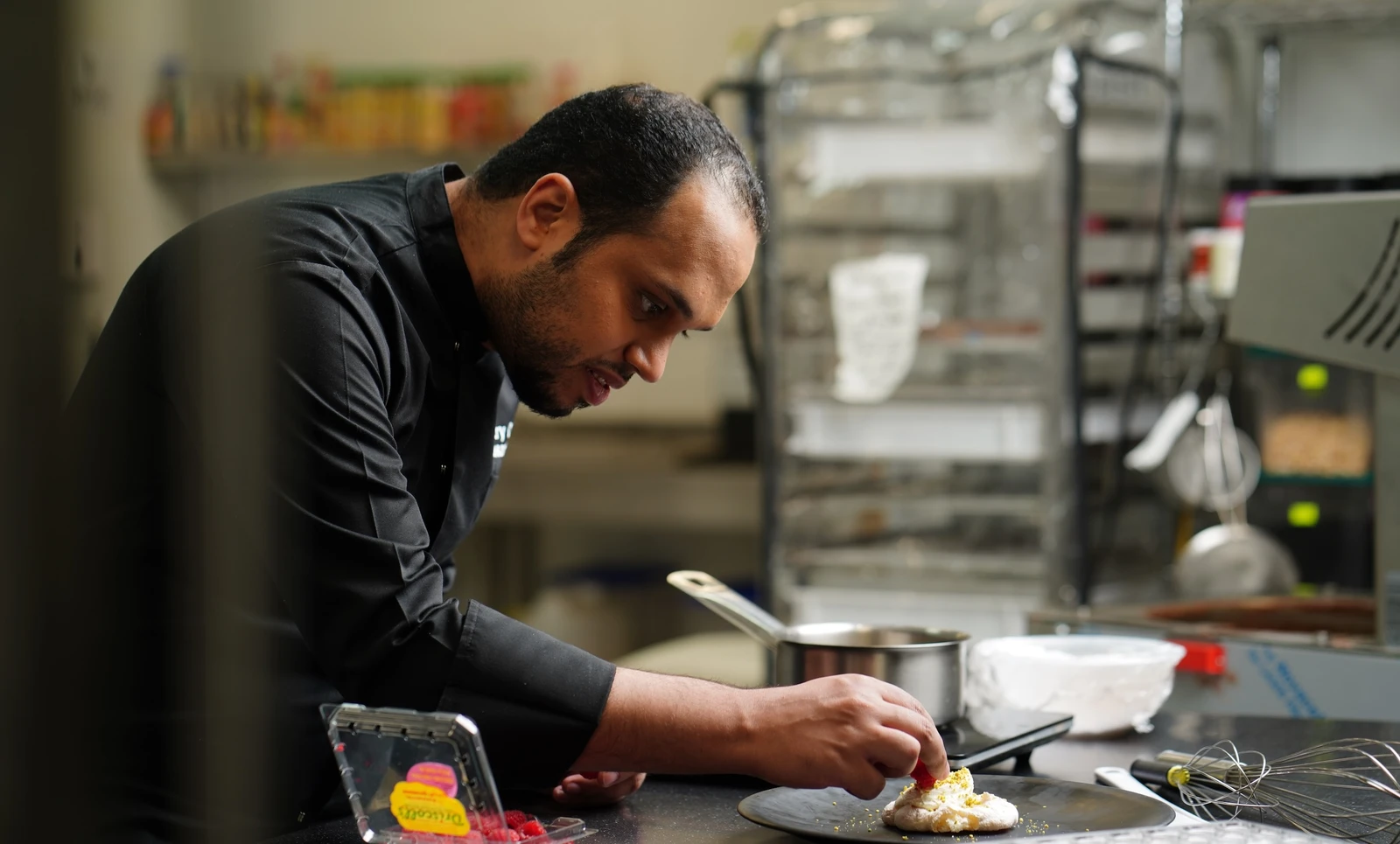
DUBAI: Saudi pastry chef Ghassan Alhaidari — who goes by the name Ghassan Sugar — has more than a decade of experience in kitchens, culinary development and food production. Based between Jeddah and Riyadh, he works as an executive pastry chef, culinary consultant, and research-and-development specialist across artisan patisserie brands and commercial food manufacturing. His trademark is blending traditional Saudi flavors — including Ajwa dates, green cardamom, saffron, and Taif rose — with modern French pastry techniques.
“My journey began with a deep fascination for the sensory and emotional connections of food — how flavors, aromas and textures evoke memories,” Alhaidari told Arab News. “Growing up surrounded by rich culinary traditions, I was naturally drawn to pastry, viewing it as a space where science and artistry meet.”
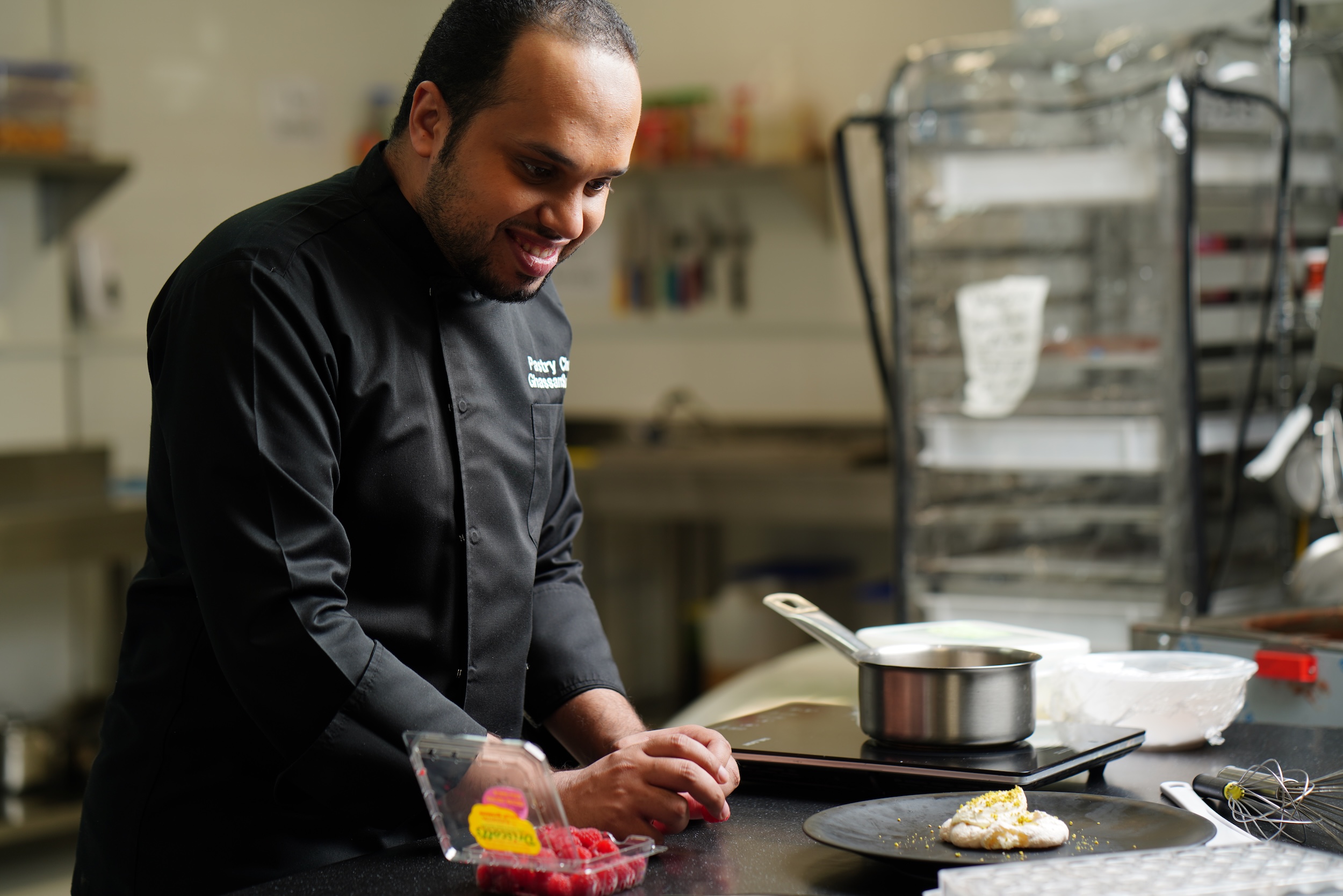
In September, Alhaidari represented Saudi Arabia at the second edition of the Ravifruit Maestro Circle in France. He has coached the Kingdom’s national team at showcases including Taste of London, Taste of France and Taste of Japan, directed culinary activations for the National Center for Palms and Dates from 2021 to 2025, and served as a judge for competitions including Top Chef.
When you started out, what was the most common mistake you made?
Early in my career, I felt every dish needed to showcase every technique I knew — too many components, textures and garnishes. I eventually learned that true mastery lies in restraint: selecting top-tier core ingredients, perfecting the technical execution and letting the primary flavor shine without unnecessary noise.
What’s your top tip for amateur chefs?
Before turning on the stove, pre-weigh, chop and organize every single component. Organization prevents chaos. Also, respect your salt and fat balance. And treat temperature as an ingredient: whether you’re emulsifying a sauce or tempering chocolate, controlling thermal momentum is what separates home cooking from professional execution.
What single ingredient can instantly improve any dish?
A high-quality, pure extract or citrus zest — specifically genuine vanilla, or yuzu or lemon zest, depending on whether the dish is sweet or savory. Pure vanilla extract or paste doesn’t just add aroma to desserts; it acts like salt does in savory food, rounding out harsh edges, softening acidity and enhancing underlying depth. In savory cooking, a final micro-grate of fresh citrus zest adds aromatic oil that elevates a heavy dish in seconds.

When you go out to eat, do you find yourself critiquing the food?
It’s hard to turn off the professional lens, but I try to focus on enjoying the experience. The most frequent flaw I encounter isn’t technical skill — it’s inconsistency and thermal execution. Serving hot food lukewarm, under-resting proteins or letting plated desserts sit under heat lamps ruins hours of preparation. A close second is a lack of balance: overly sweet desserts lacking the acidity or depth to anchor them.
What’s your favorite cuisine to order?
Authentic, fire-cooked regional dishes or precise Asian fusion, such as Japanese or yuzu-driven flavor profiles. I love cuisines that rely on elemental heat, complex spice layering and pure clarity of flavor. Eating dishes that require a living flame or years of specialized hand technique lets me step back, relax and just be a guest enjoying pure craftsmanship.
What’s your go-to dish if you have to cook something quickly at home?
A classic aglio e olio with a twist — high-quality pasta emulsified with garlic, good olive oil and chili, with a finishing touch of citrus or a toasted, spiced crunch. It requires fewer than five ingredients, takes under 15 minutes and relies entirely on emulsion technique — starchy pasta water and fat — rather than heavy sauces. It’s comforting, technical and fast.
What customer behavior most frustrates you?
Asking to dismantle a carefully balanced dish without trusting the chef’s concept. Dietary requirements and allergies are always respected with absolute care, but requesting heavy modifications to a signature dish strips away the intended harmony of flavors, acid and texture that we spent weeks testing in R&D.
What’s your favorite dish to cook?
Anything involving dates or warm, fragrant spices like cardamom and cinnamon — especially traditional family-inspired desserts elevated through modern technique. Food is deeply tied to memory and identity; transforming classic regional staples like rich date pastes, spiced ganaches or infused pastries into refined, modern creations allows me to honor my roots while demonstrating world-class pastry craft.
What’s the most difficult dish for you to get right?
Laminated viennoiserie or temperature-sensitive bean-to-bar chocolate formulations. With lamination and chocolate, there is nowhere to hide. Ambient humidity, room temperature and a variance of just one or two degrees during tempering or proofing can ruin days of work. Achieving absolute consistency across thousands of units requires total control over science, equipment and environmental variables.
As a leader, what are you like?
Structured, mentor-driven and detail-obsessed — without the yelling. Shouting belongs to an outdated era of kitchens. High standards come from clear systems, rigorous standard operating procedures and lead-by-example training. I am strict about precision, hygiene and respect for the ingredient, but I focus on building a calm, high-performing environment where the team understands the why behind every technique.
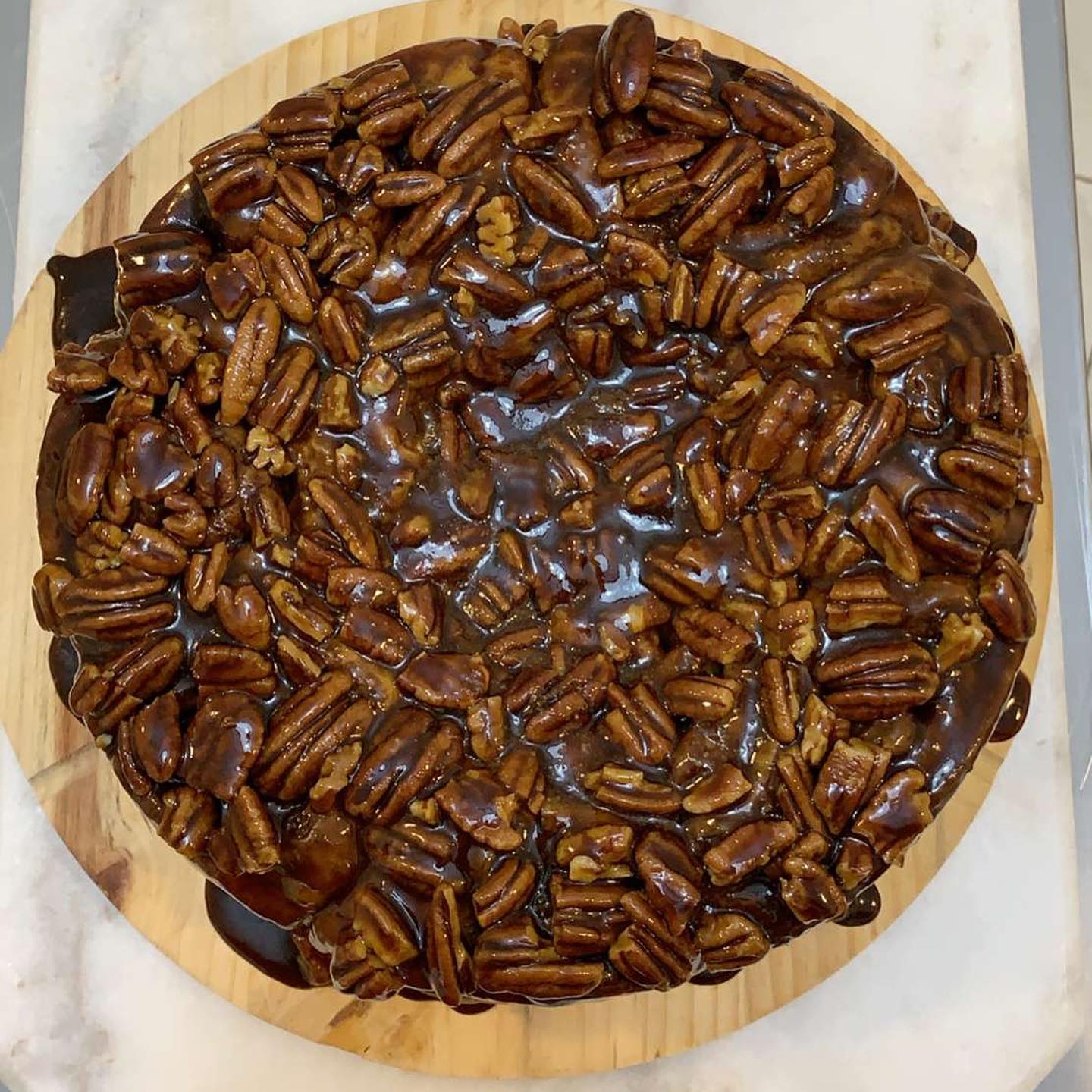
Chef Ghassan’s cinnamon sticky buns
Tangzhong (starter paste)
15g bread flour (approx. 1½ tbsp)
20g water (approx. 1½ tbsp)
20g milk (approx. 1½ tbsp)
Main dough
9g active dry or instant yeast (approx. 2½ tsp)
120ml warm milk (½ cup)
443g flour (3 cups)
44g granulated sugar (3 tbsp)
2g salt (½ tsp)
55g water (approx. 2½ tbsp)
2 eggs, at room temperature
50g unsalted butter, softened at room temperature (approx. 3 tbsp)
Tangzhong (from above)
Caramel topping
115g brown sugar
115g unsalted butter
50g honey
140g pecans, chopped or whole
Cinnamon filling
70g butter, melted
125g brown sugar
5g ground cinnamon
Method:
Prepare the tangzhong: Combine the flour, water and milk in a small saucepan over medium heat. Whisk continuously until it thickens into a smooth paste. Remove from the heat and let cool slightly.
Mix and knead the dough: In the bowl of a stand mixer, combine the flour and other dry ingredients. Add the warm milk, water, tangzhong and eggs. Knead on medium speed for 6 minutes. Add the softened butter in three additions, kneading for another 5 minutes until the dough is smooth and elastic.
First proof: Cover the dough and let it rise in a warm place for 1½ hours, or until doubled in size.
Prepare the caramel base: In a saucepan, melt the brown sugar, butter and honey over medium-low heat until smooth. Pour the caramel into the bottom of your baking pan, then scatter the pecans evenly over the top.
Shape and fill: Roll out the dough into an even rectangle. Brush with the melted butter, then sprinkle evenly with the brown sugar and cinnamon. Roll the dough tightly into a log and slice into nine equal pieces. Arrange the rolls over the pecan-caramel layer.
Second proof and bake: Cover and let rise for 1 hour. Bake in an oven preheated to 180°C for 30 minutes, until golden brown.
Serve: Rest for 3 minutes, then invert the pan onto a serving platter so the pecan-caramel topping is on top. Serve warm.