- Syria is rehabilitating irrigation networks and restoring vegetation in desert oases to support rural livelihoods threatened by drought
- Declining rainfall and groundwater levels are negatively impacting agriculture, threatening food production and livestock grazing
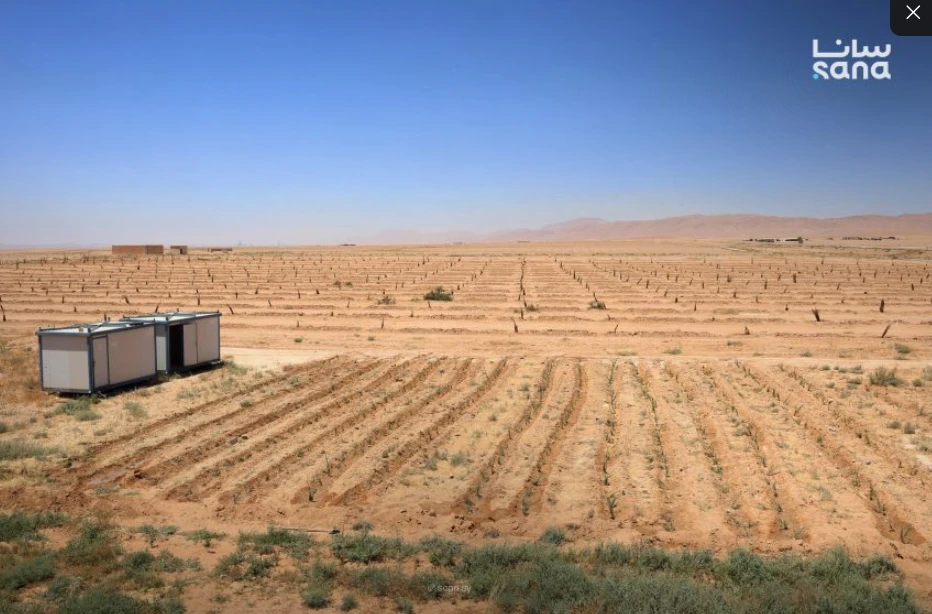
DAMASCUS: Authorities in the Syrian Arab Republic are working to rehabilitate irrigation networks, restore vegetation and support agricultural production in the country’s desert oases, which provide vital sources of income and employment for rural communities increasingly affected by drought and water shortages.
The oases in the country’s vast Badia region support farming, livestock breeding and local trade while helping communities maintain their livelihoods in areas where annual rainfall typically ranges between 100 and 200 millimeters.
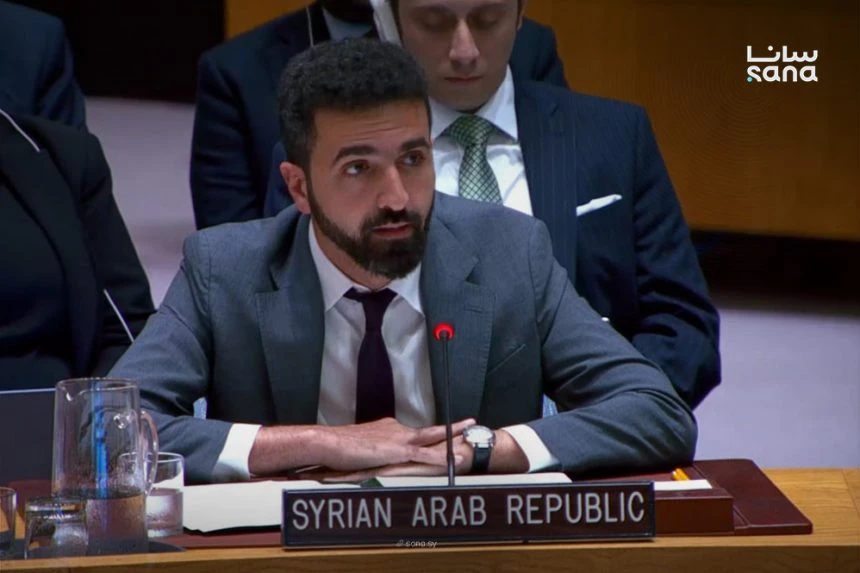
Bayan Al-Abdullah, director-general of the General Authority for the Management, Development and Protection of the Badia, said the oases played an important economic and social role by providing agricultural products, grazing areas and jobs for local residents.
He said their development could also create opportunities in food processing, traditional handicrafts and ecotourism, helping diversify household incomes and strengthen rural economies.
Government-managed oases are spread across several provinces, covering different areas. In the Damascus countryside, the Al-Batma Oasis covers 50 hectares. In Homs province, the main oases include Al-Sawana (75 hectares), Wadi Al-Ahmar (27 hectares), Al-Munsef (23.4 hectares), Arak (25 hectares), Al-Hafna (47 hectares), Sabkhat Al-Mouh (63 hectares), Al-Abtar (50 hectares) and Khneifis (25 hectares).
In Deir Ezzor province, the Kabajeb Oasis covers 73 hectares, while Al-Shoula extends across 38 hectares. Privately owned agricultural oases also support farming communities around Palmyra, Al-Sukhnah, Al-Qaryatayn, Eastern Qalamoun, Al-Bukamal and Al-Mayadeen.
However, declining rainfall, falling groundwater levels and the drying up of springs have placed growing pressure on agricultural production. Al-Abdullah said worsening drought and climate change have damaged fruit trees, reduced vegetation cover and increased soil salinity, threatening both farming and livestock grazing.
To address these challenges, the authority is working with the General Authority for Water Resources to rehabilitate agricultural infrastructure and improve irrigation efficiency.
A major project involves restoring the irrigation network at the Palmyra Oasis through repairs to concrete channels, the clearing of waterways and maintenance of irrigation gates. The project aims to provide water for approximately 1,060 hectares of farmland and benefit around 50,000 residents.
Authorities are also rehabilitating several wells, including L9, L9A and the Al-Sukhnah well, to improve water availability for agricultural communities.
As part of efforts to restore degraded grazing lands, the authority produced and planted around 900,000 forage seedlings during the 2025–2026 agricultural season, aiming to expand green belts and support livestock production.
Local farmers are contributing by maintaining wells, cleaning orchards and pruning trees, while some have adopted solar-powered pumps to reduce dependence on conventional energy sources.
Al-Abdullah said further investment in processing oasis products, including dates, molasses, jams and oils, could generate additional income and employment. He also called for greater support for agricultural cooperatives, affordable financing and partnerships between government institutions, private investors and local communities.
Future priorities include expanding modern irrigation systems, harvesting rainwater and seasonal floodwater, regulating groundwater extraction and cultivating drought-resistant native plants.
Beyond their economic value, the oases help prevent soil erosion, limit desertification and preserve biodiversity, making their protection essential to the long-term stability of desert communities.
The Syrian Badia covers approximately 10.2 million hectares, accounting for nearly 58 percent of the country’s territory, with its largest areas located in Homs, followed by Deir Ezzor, Damascus countryside and Raqqa.