- Shannah Day ends AlUla Dates Season with live demonstrations
- Growers prepare about 100 shannahs, highest sale price reaches SR1,350
JEDDAH: Long before refrigeration and modern food storage, families in AlUla had a simple way of preserving one of the oasis’ most prized crops.
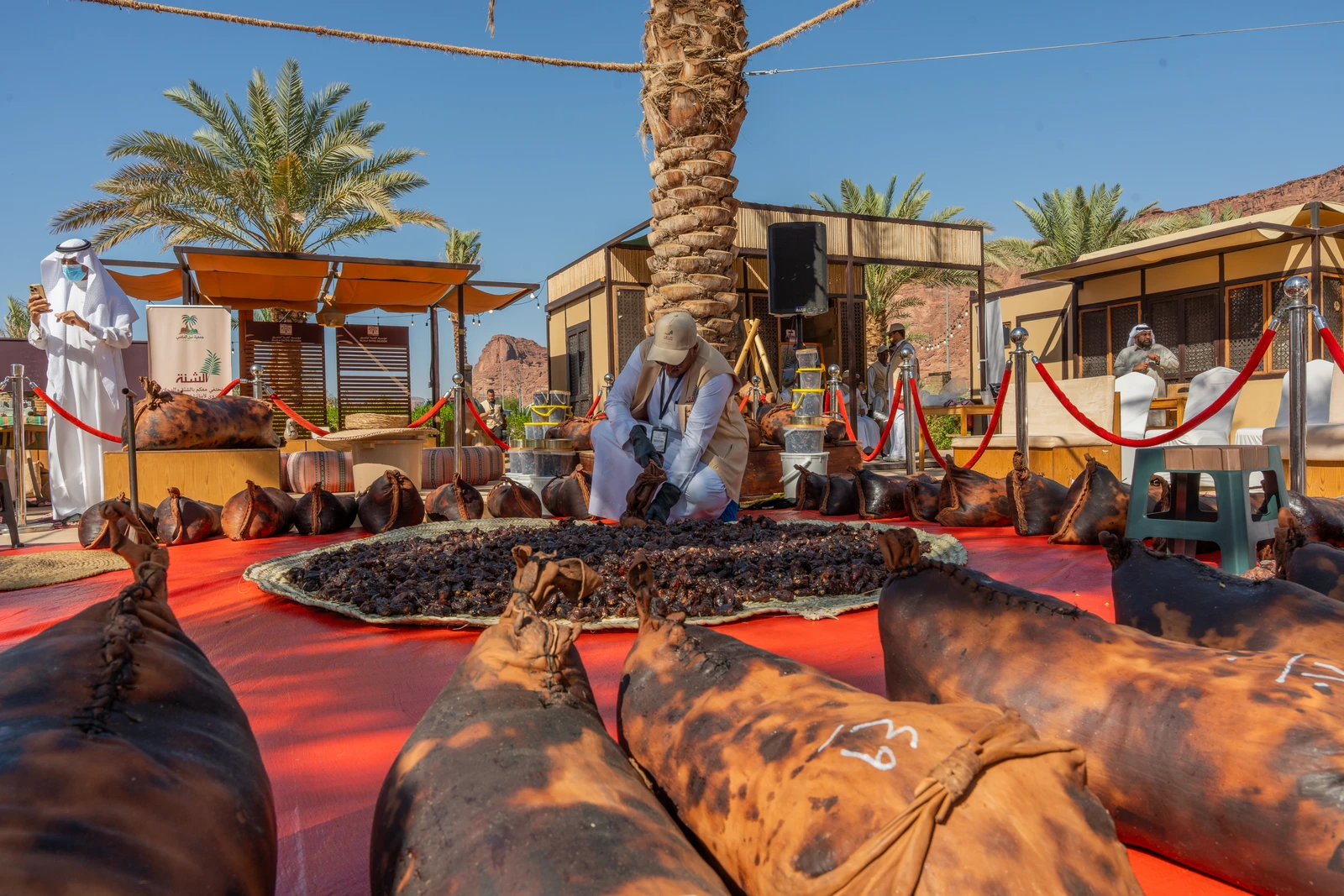
When a waterskin became too worn to carry water, it was given a second life. Filled with dates, tightly packed and stitched shut, the container, known as a shannah, helped households store their harvest for years and ensured they always had dates on hand for family and unexpected guests.
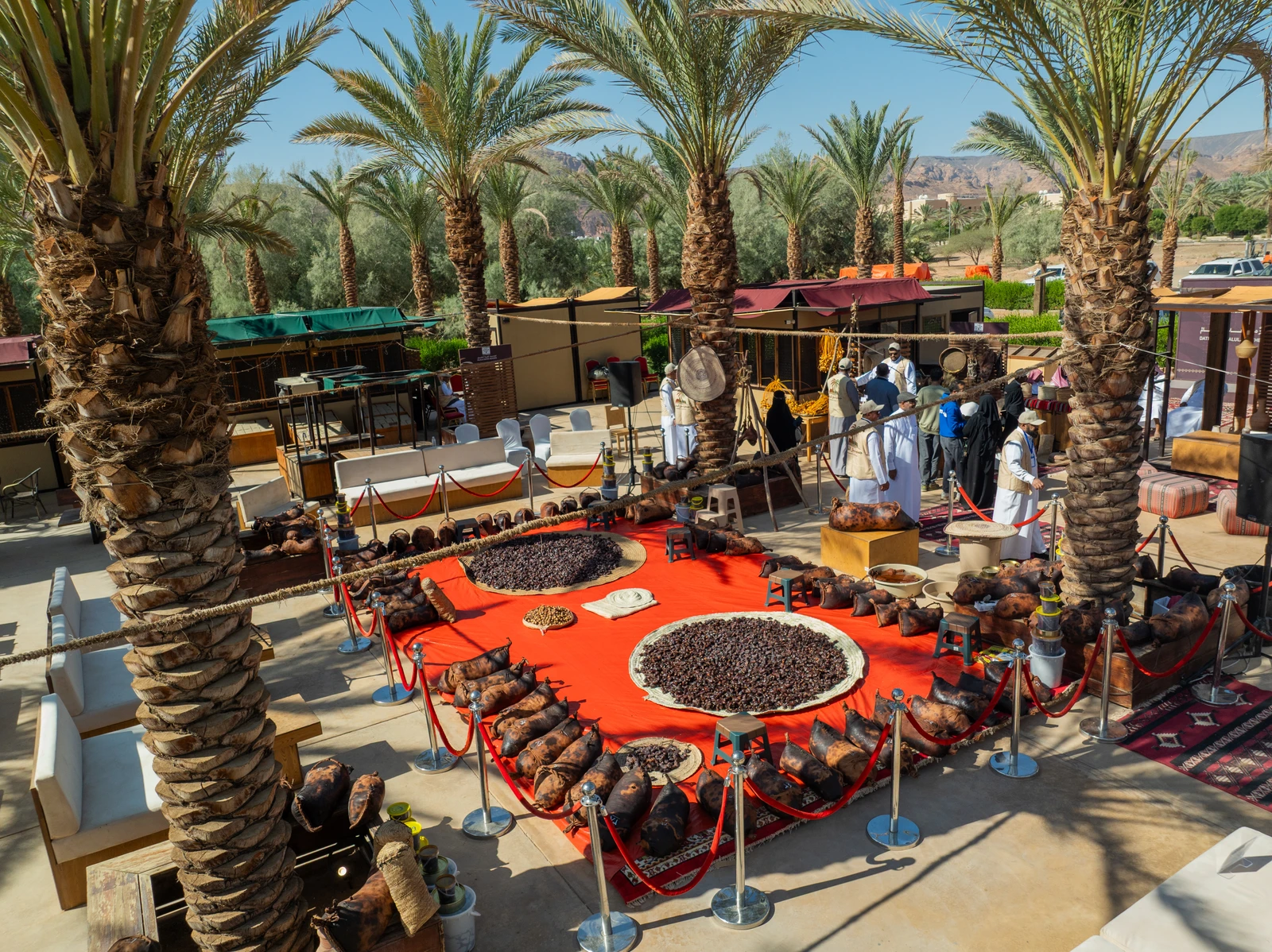
That tradition took center stage on Nov. 21 during Shannah Day, which marked the conclusion of this year’s AlUla Dates Season at Al-Manshiyah Farmers’ Market.
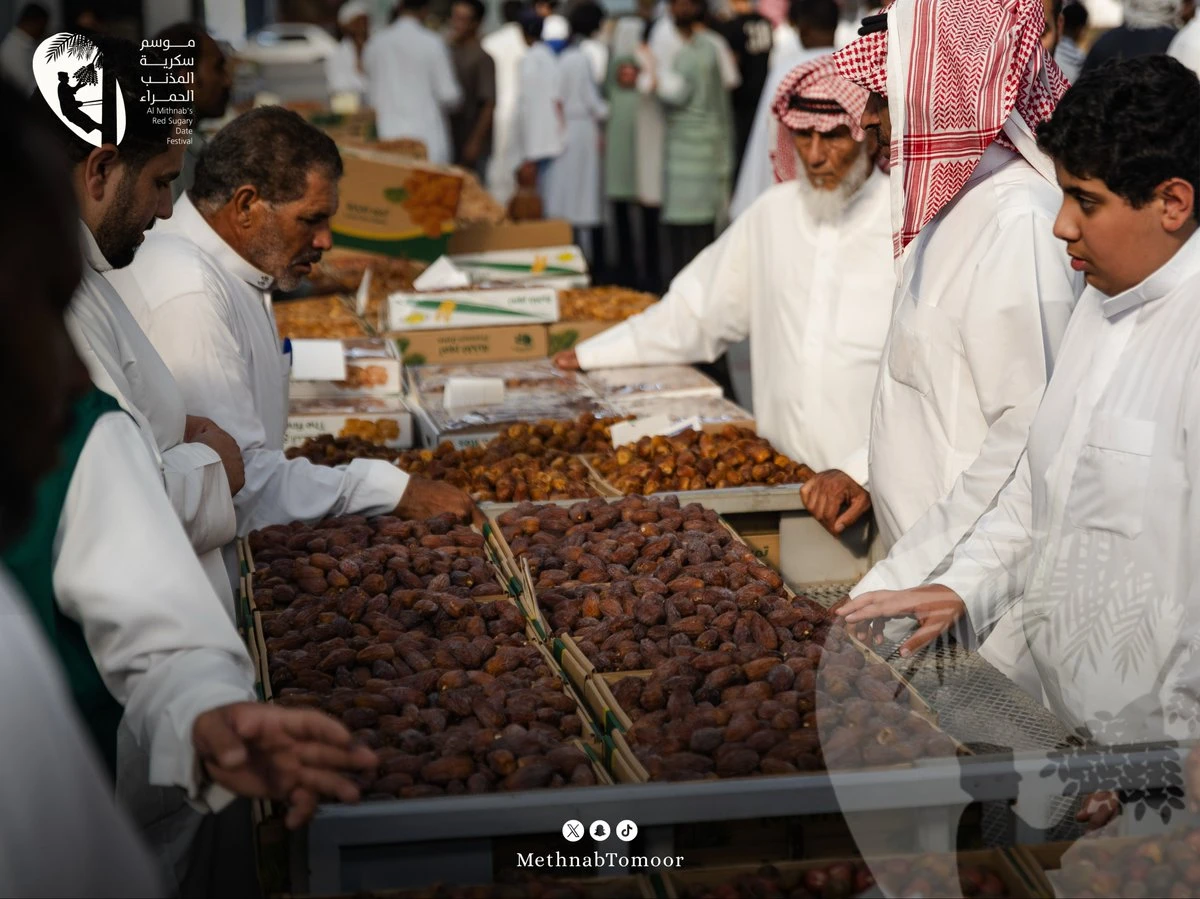
Launched by the Royal Commission for AlUla on Sept. 18 as part of the Khairat AlUla agricultural season, the event featured date auctions throughout the harvest period before culminating in a celebration of one of the region’s oldest preservation methods.
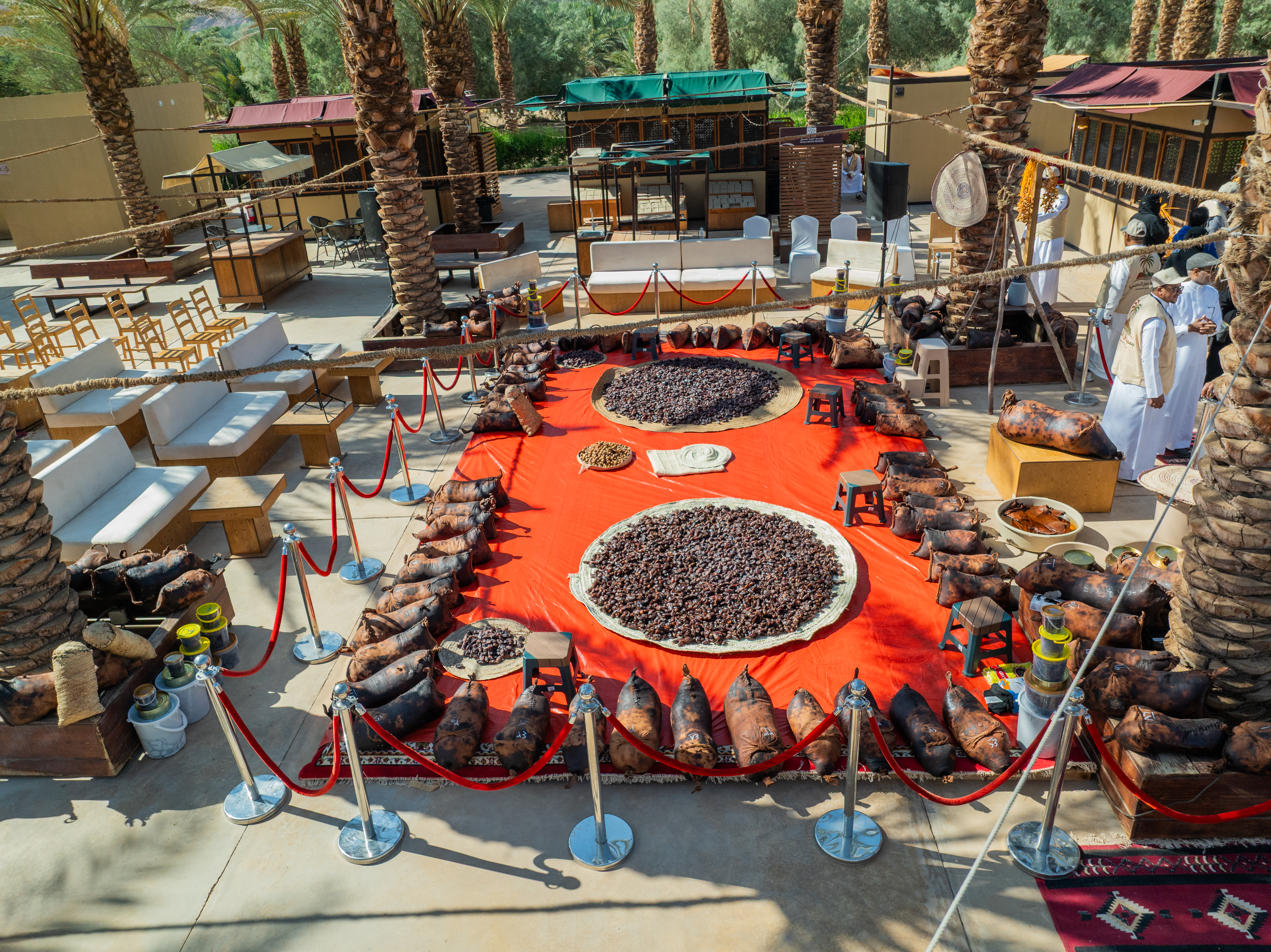
For visitors, the closing event offered a glimpse into a practice passed down through generations.
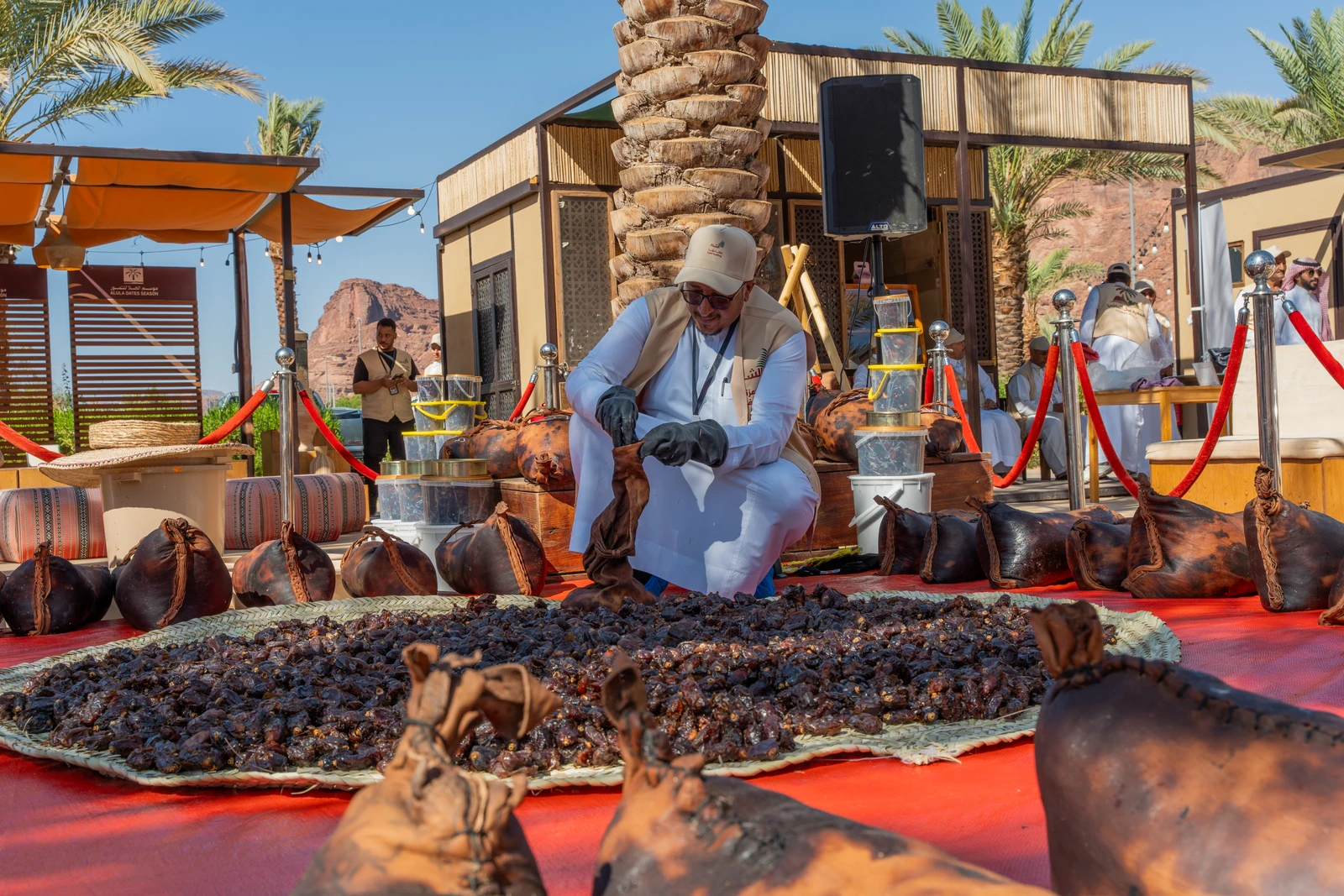
Growers demonstrated how dates are sorted, cleaned and pressed into tanned sheep or goat hide before the opening is sewn shut. Compressing the fruit helps reduce air pockets, limiting exposure to moisture and extending storage life.
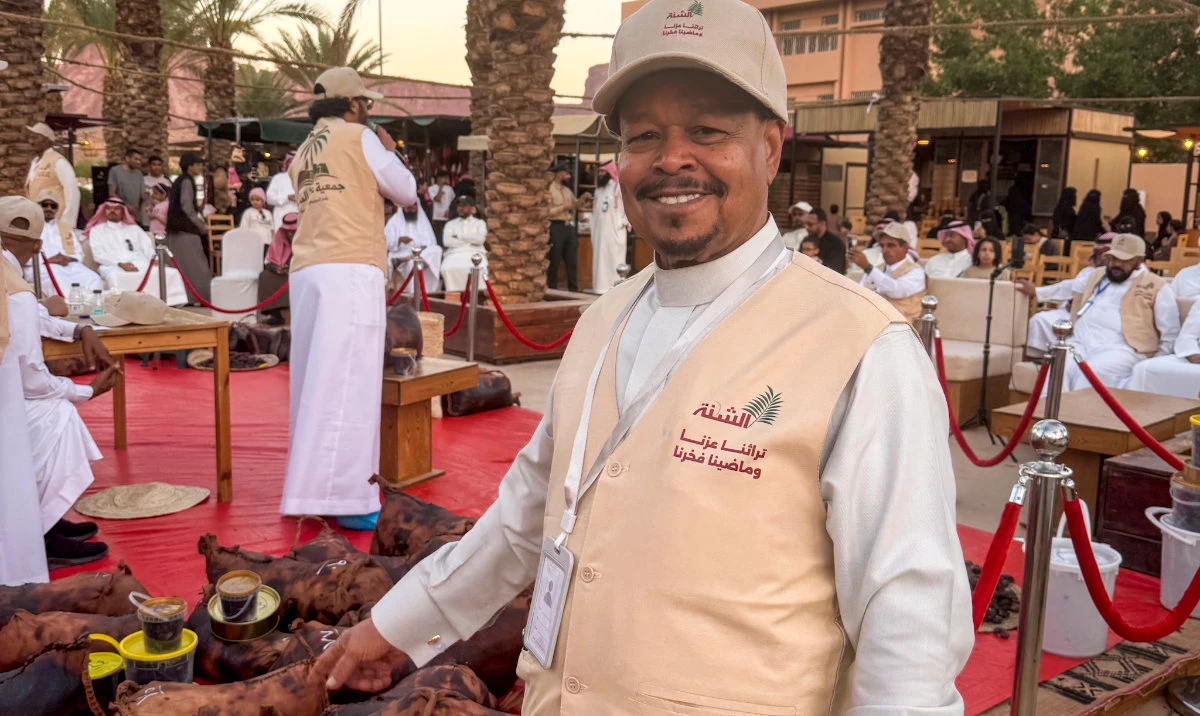
Hamed Ahmed Al-Shuwaikan, chairman of the board of AlUla’s Abaq Al-Madi Association, said the timing of Shannah Day coincided with the harvest of AlUla’s signature red Helwa dates.
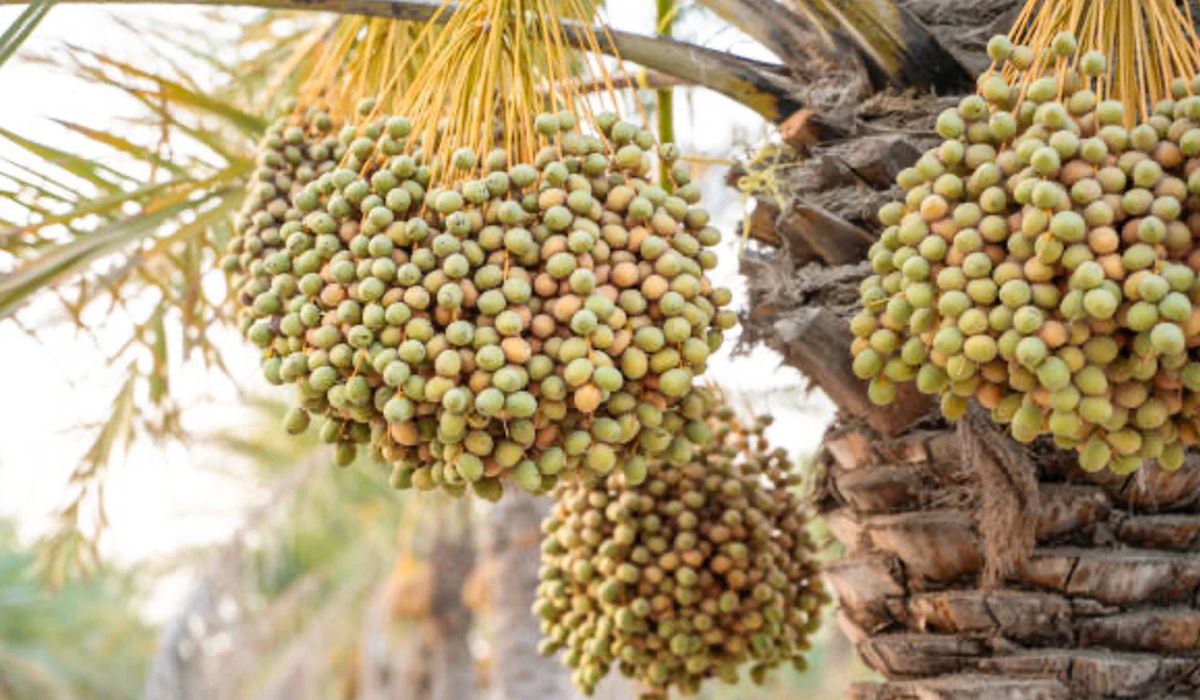
Known locally as Al-Helwa Al-Hamra, the variety is among the last to ripen each year. After harvest, the dates are spread in the sun and lightly sprinkled with water as part of the preparation process before being packed into the hide container.
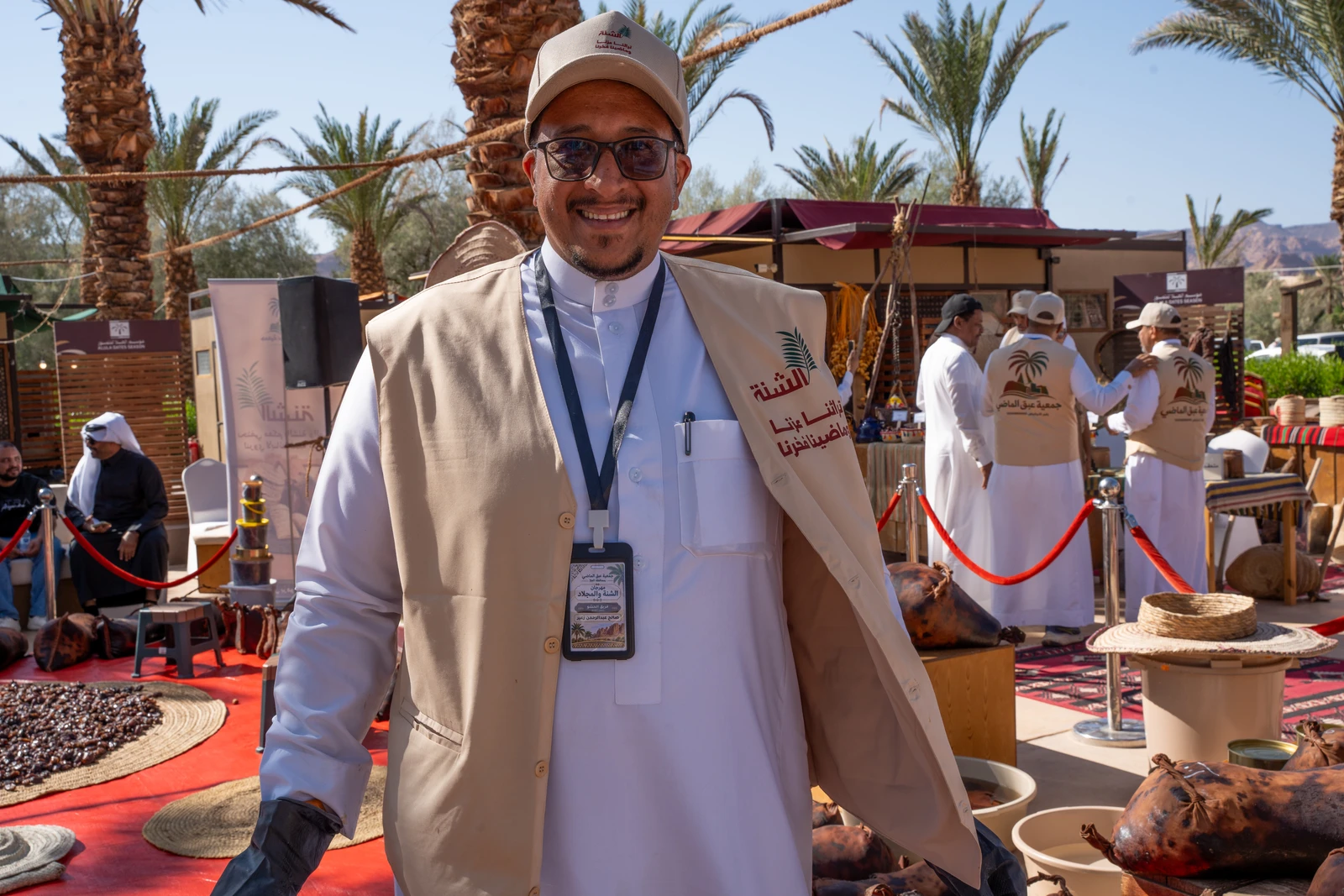
For farmer Saleh bin Abdulrahman Al-Zuair, the tradition is inseparable from memories of parents and grandparents who relied on the method for everyday life.
Preparing a shannah begins with carefully removing the animal hide so it remains intact. The hair is then removed and the hide tanned. Traditionally, it first served as a container for storing and cooling water.
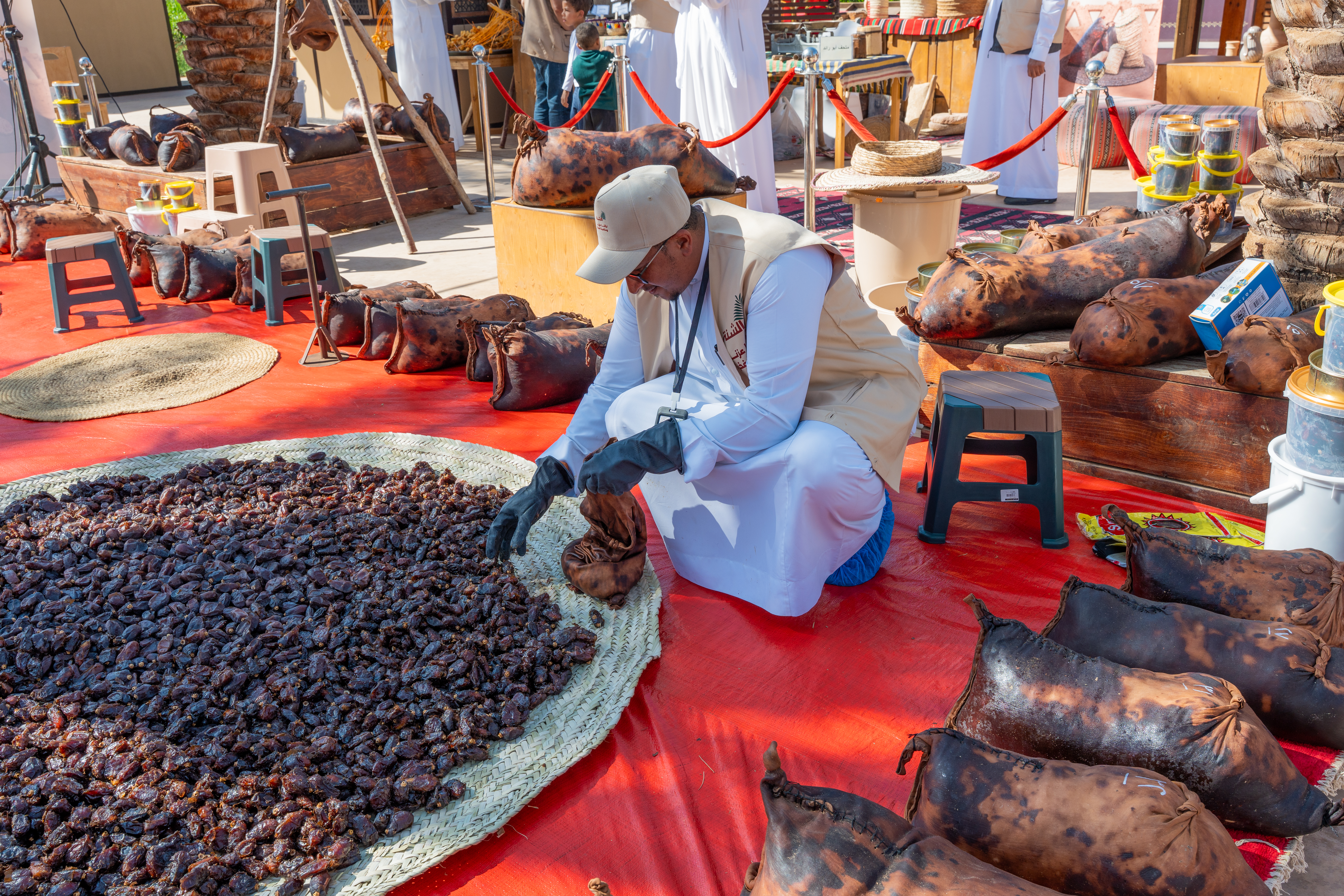
“The name comes from shann, meaning old, worn hide,” Al-Zuair told Arab News. “Once it became too worn to hold water, people in AlUla would keep it and press dates into it. It was one of the ways our parents and grandparents preserved dates.”
Al-Shuwaikan explained that the name of a hide container depended on its contents. A traveler’s waterskin was known as a qirbah, while a container used for ghee or honey was called an ukkah. Filled with dates, it became a shannah.
Traditionally, AlUla’s shannahs were packed with red Helwa dates, while majalid — containers woven from palm fronds — held a wider variety of fruit. Today, growers also use shannahs for varieties including Khalas and Sukkari.
Beyond preservation, dates stored in shannahs often provided an important safeguard during difficult years.
Al-Shuwaikan recalled historic accounts of residents relying on dates stored in shannahs and majalid during poor harvests in 1910 and again in 1919-20.
“As the saying goes, ‘A household without dates goes hungry’,” he said.
The preserved fruit also accompanied travelers. Al-Shuwaikan said pilgrims and merchants passing through AlUla on their journeys to and from Makkah often purchased dates stored in shannahs.
Combined with laban, the dates provided a simple and nourishing meal on the road.
Located along historic trade and pilgrimage routes, AlUla served as a crossroads linking the Arabian Peninsula with the Levant, Mesopotamia and Africa. Al-Shuwaikan said dates from the oasis were exported through Al-Wajh and distributed across other regions of the Kingdom, while similar storage methods were used in Yanbu, Bisha and parts of North Africa.
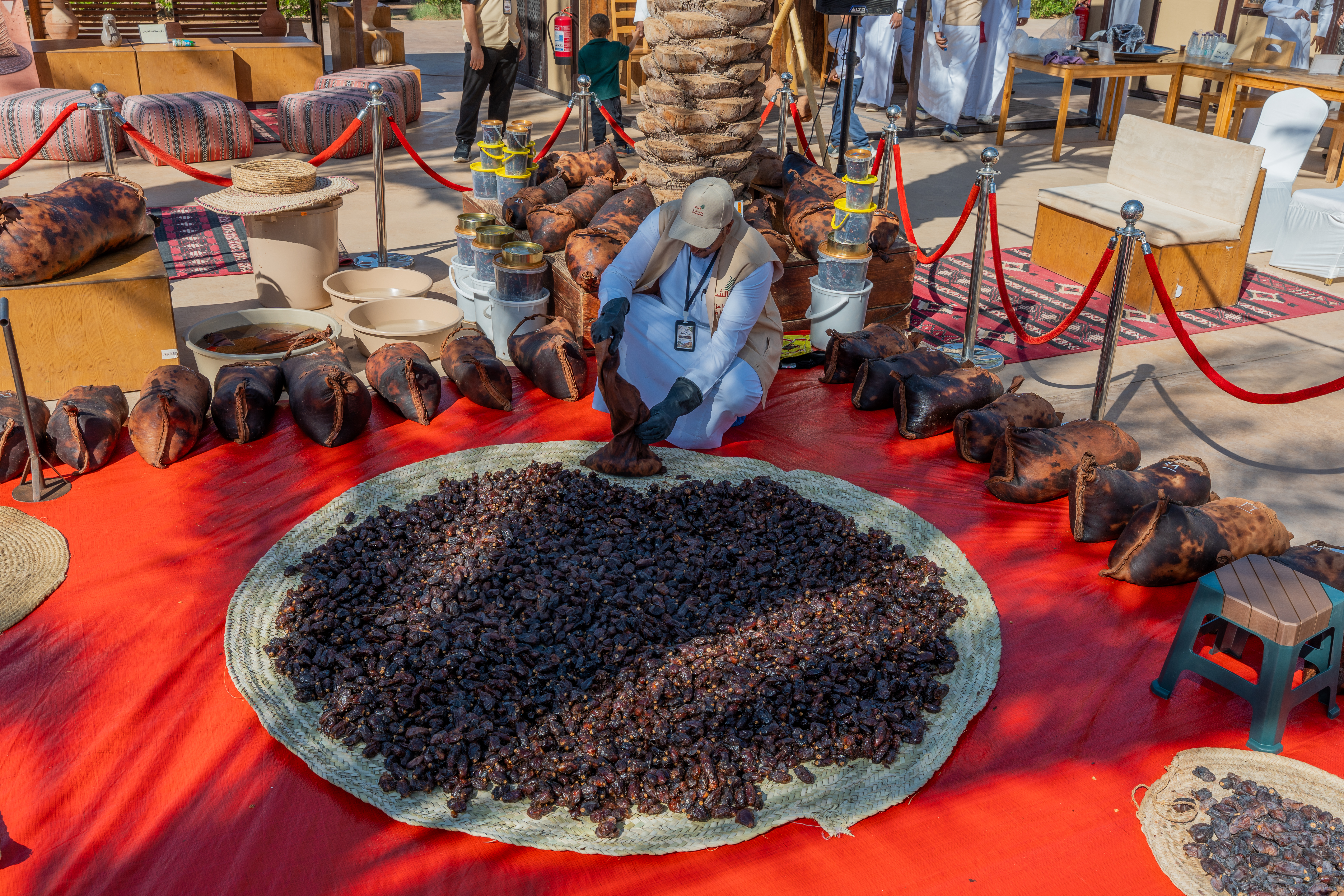
At home, opening a shannah in front of a guest was considered a gesture of generosity and hospitality. Dates preserved in the containers were also commonly served during Ramadan.
For Al-Shuwaikan, the passage of time only improves the fruit.
He said: “When it is placed in the sun, date syrup seeps out, and we believe that helps protect the dates from insects. In my experience, the dates taste better when the shannah is hawliyah.”
The term hawliyah refers to dates that have remained inside a shannah for at least a year.
Al-Zuair said proper storage was key to preserving quality.
“In our experience, dates can keep in a shannah for two to five years if it is stored in a dry place,” he said. “They don’t keep as long in humid conditions.”
Interest in the tradition remains strong. About 60 of the 100 shannahs prepared for this year’s closing event were sold, according to Al-Shuwaikan. The highest sale price reached SR1,350 ($360), while one of the largest weighed 67 kg.
Growers are increasingly taking the shannah beyond AlUla, showcasing it at date festivals and cultural events across the Kingdom.
For Al-Zuair, however, the most important form of preservation is not the fruit itself, but the knowledge behind it. By teaching younger generations how to prepare, fill and open a shannah, he hopes to ensure the tradition survives for many years to come.