
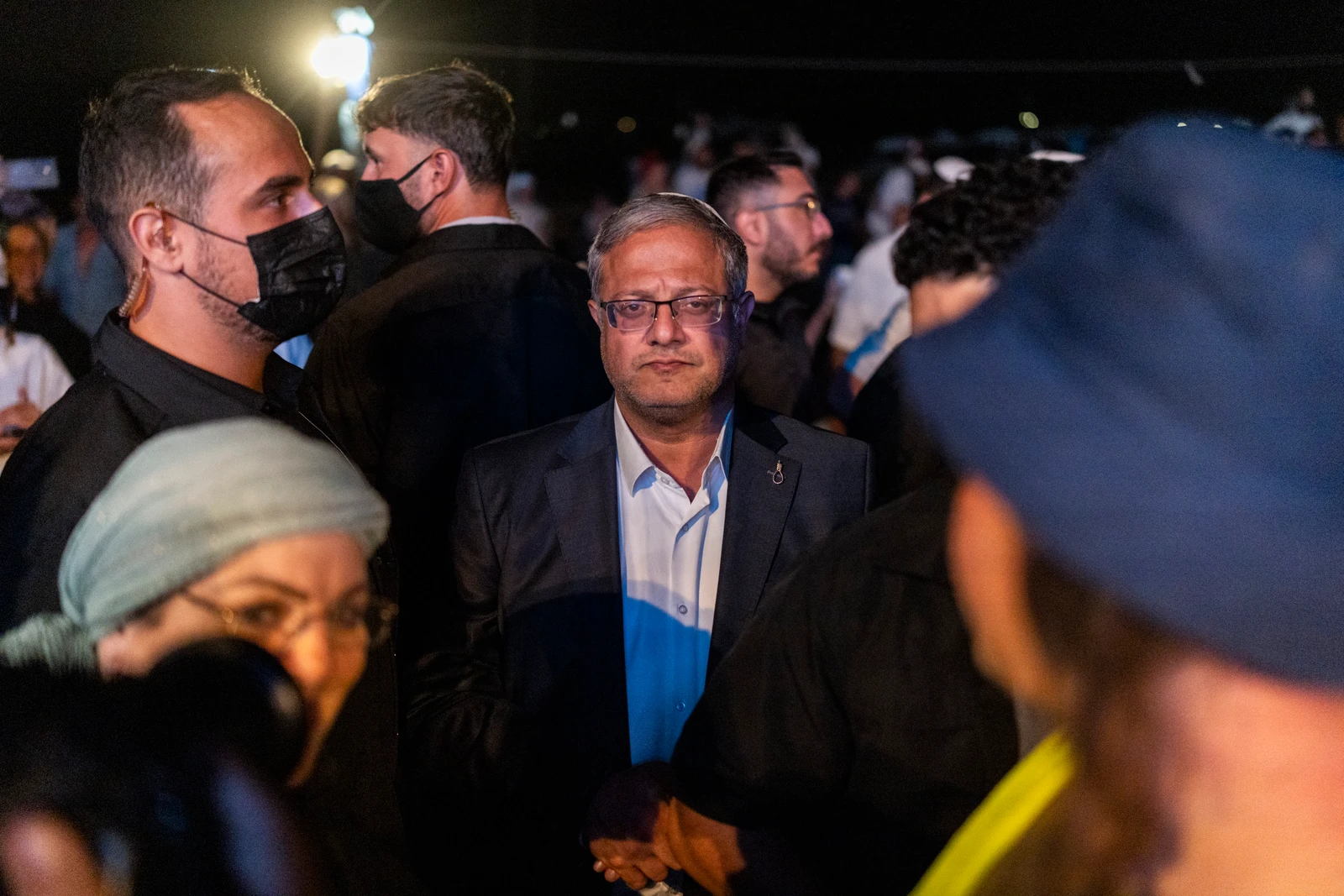

While the media correctly pointed to the huge rise in the turnout of Palestinian citizens of Israel in last week’s Knesset elections, three areas were given scant attention. Interestingly, citizens interviewed in the three locations answered, in one word, why they decided to vote: “Ben-Gvir.”
Palestinians in East Jerusalem are generally not qualified to vote in the Israeli elections unless they have applied for and been granted national citizenship. The number of Palestinians qualified to vote is about 50,000. Yet, in previous cycles, fewer than 2,000 did so. This year, however, was different.
Confirmed Israeli documentation states that 10,000 Jerusalemites voted. The more interesting thing was not the fact that the regular boycott was nowhere to be seen but that Palestinians in East Jerusalem were encouraged to vote by mainstream leaders, who suggested they should back any of the Arab lists. This could have ramifications for the next municipal elections in November 2028. East Jerusalem’s Palestinians make up 40 percent of the population of the entire city and they are all eligible to vote, so if the boycott of elections by nationalists is lifted, this could be a game changer.
The Golan Heights has a smaller population of eligible citizens but again they outperformed the previous election cycle. Of the 8,199 eligible non-Jewish voters living in the Golan Heights, turnout was 45 percent, up from 20 percent in previous elections. Of those who voted, 89 percent backed the Eisenkot bloc. The Likud received only 11 percent of the vote in the Golan Heights.
The key issue was the aggressive policy of demolishing homes, which Ben-Gvir himself ordered and proudly oversaw
Daoud Kuttab
In the Negev, the voter turnout was also higher than in previous Israeli elections. In Rahat, the biggest town in the region, turnout was 80 percent, up from 61 percent in previous electoral cycles. Another notable feature was that almost all voters in this cycle supported the Palestinian parties, particularly Ra’am led by Mansour Abbas.
The high voter turnout and support for Palestinian parties among all non-Jewish voters in Israel, East Jerusalem and the Golan Heights were triggered by one person: Israeli Minister of National Security Itamar Ben-Gvir. The extreme right-wing politician’s election advertisement included showing him standing over, in a bullying manner, Palestinian prisoners who were on their knees.
Perhaps the best description of how Ben-Gvir succeeded in getting the voters out was a quote in The Jerusalem Post by a man named only as Rami, who the newspaper said was a veteran Likud activist who served as an election observer in Rahat. Describing an atmosphere of anger and tension on the streets and at polling stations, he said: “The anger was palpable everywhere. Almost every other word out of their mouths was ‘Ben-Gvir.’ It was simply incomprehensible. Over the years, Likud always managed to win a certain share of the Bedouin vote but this time we were reduced to almost zero there. He simply sent them rushing out of their homes to vote against us.”
The main reason for Otzma Yehudit’s setback was the high turnout of Palestinian and other Arab citizens of Israel
Daoud Kuttab
The key issue that seemed to spur East Jerusalemites and Bedouins in the Negev to vote was the aggressive policy of demolishing homes, which Ben-Gvir himself ordered and proudly oversaw. Just two weeks before the elections, Israeli authorities demolished about 80 homes in the Palestinian village of Al-Dhahiya in the Negev. It was reported that 400 people were displaced, “amid accusations that extremist National Security Minister Itamar Ben-Gvir is using home demolitions as part of his election campaign,” according to Anadolu Agency.
In East Jerusalem, house demolitions increased considerably in the run-up to the Oct. 27 elections. A mere three weeks before the vote, Ben-Gvir personally oversaw and filmed himself on a bulldozer during the demolition of a Palestinian-owned five-story residential building in the Al-Tur neighborhood. The Palestinian news agency WAFA stated that occupation authorities had carried out “427 demolition and leveling operations in the Jerusalem Governorate between the beginning of the year and the end of September 2026 … these figures reflect the expanding scope of the demolition policy within the city.”
Ben-Gvir’s Otzma Yehudit party won seven seats in the 120-member Knesset, receiving more votes but not gaining any more seats than in the previous cycle. The main reason for its setback was the high turnout of Palestinian and other Arab citizens of Israel, which allowed the Palestinian parties to claim a record 19 seats in the Knesset.
Daoud Kuttab is an award-winning Palestinian journalist and former Ferris Professor of Journalism at Princeton University. He is the author of “State of Palestine Now: Practical and Logical Arguments for the Best Way to Bring Peace to the Middle East.” X: @daoudkuttab


