- Fatalities on crossings to Europe up almost 20% in first 9 months
- ‘Protection cannot begin only when a boat is in distress,’ UNHCR official says
LONDON: The UN refugee agency launched an initiative on Tuesday to strengthen rescue efforts and expand access to asylum along maritime migration routes, warning that thousands of people continue to die or disappear at sea each year.
The Global Initiative on Protection at Sea 2.0 calls for closer international cooperation to prevent deaths, protect people before and after crossings and expand safe alternatives to dangerous journeys.
The UNHCR is leading the effort in partnership with the International Organization for Migration, the UN human rights office, UNICEF and other organizations.
“Every life lost on a dangerous sea journey is a stark reminder of the urgent need for stronger, more predictable and better coordinated action,” Elizabeth Tan, UNHCR’s director of international protection and solutions, said in a statement.
“Protection cannot begin only when a boat is in distress, nor can it end when people reach shore. It must be available as early as possible along the route.”
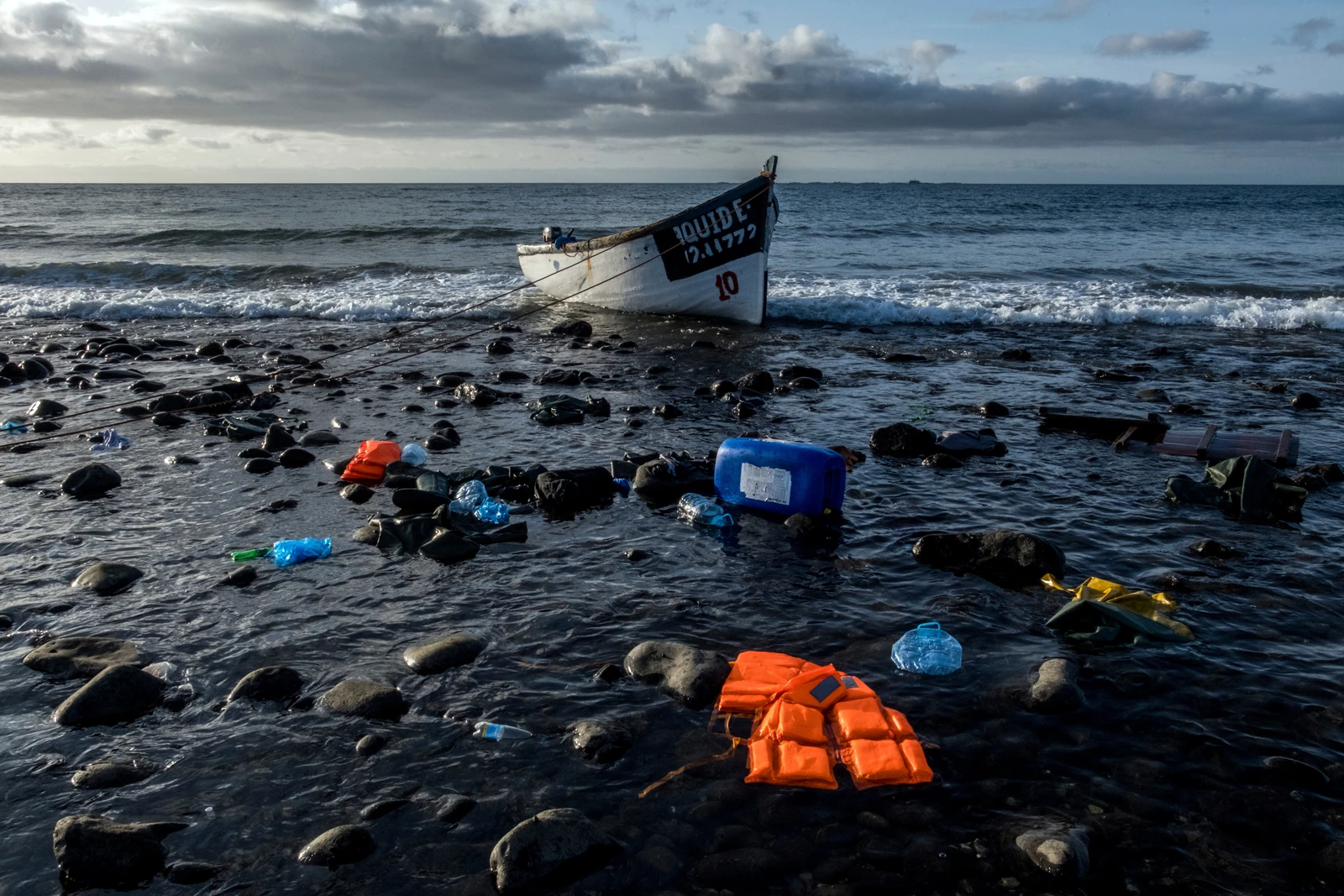
The initiative comes amid rising deaths on several maritime routes and a sharp increase in arrivals in Spain’s Canary Islands. More than 10,800 people reached the islands in the first 15 days of November, more than four times the total for the whole month last year, according to figures cited by the UNHCR.
The arrivals pushed this month’s total to its highest level since October 2023.
The Atlantic crossing from West Africa remains one of the world’s most dangerous migration routes, with more than 1,200 people reported dead or missing in 2025 and nearly 600 so far this year, according to official figures cited by the UNHCR.
Across maritime routes to Europe recorded deaths and disappearances rose nearly 20 percent in the first nine months of 2026 compared with the same period last year, from about 2,100 to 2,500.
In the eastern Mediterranean reported deaths and disappearances increased by about 80 percent in the first 10 months of the year compared with the same period in 2025.
The central Mediterranean recorded more than 1,000 deaths and disappearances, broadly unchanged from the comparable period last year, even as arrivals fell from about 60,000 to 27,000.
The toll extends beyond Europe-bound routes. On the eastern route to Yemen, 922 people died or went missing in 2025. A single shipwreck in October this year killed at least 139 people.
In the Bay of Bengal and Andaman Sea nearly 900 Rohingya refugees were reported dead or missing in 2025, the deadliest year on record. A further 822 deaths and disappearances had been recorded by October this year.
The UNHCR said that the figures were minimum estimates because many incidents at sea went unrecorded.
People attempting these crossings often traveled in overcrowded, unseaworthy boats without enough food, water, fuel or medical care. They could also face trafficking, kidnapping, extortion, violence and exploitation along the way, the UNHCR said.
Even after rescue or interception, uncertainty over where they can safely disembark and barriers to asylum can expose them to further harm.
The agency warned against criminalizing humanitarian organizations and private vessels that rescue people at sea in good faith.
Some people attempted crossings after first seeking refuge in neighboring countries, where insecurity, limited services and steep humanitarian funding cuts pushed them to move again, the UNHCR said. Restrictive borders and a lack of safe alternatives could then divert them onto more dangerous routes.
Building on an initiative launched in 2014, the new effort brings together humanitarian and maritime organizations around four priorities: stronger search and rescue services and predictable arrangements for safe disembarkation, better data on movements and risks, earlier access to protection and more safe alternatives, and closer cooperation among governments and other partners.
Saving lives and ensuring safe disembarkation were legal obligations as well as humanitarian imperatives, the UNHCR said.